
Health
Your Guide to Find the Best Sauna Therapy Near in Tampa

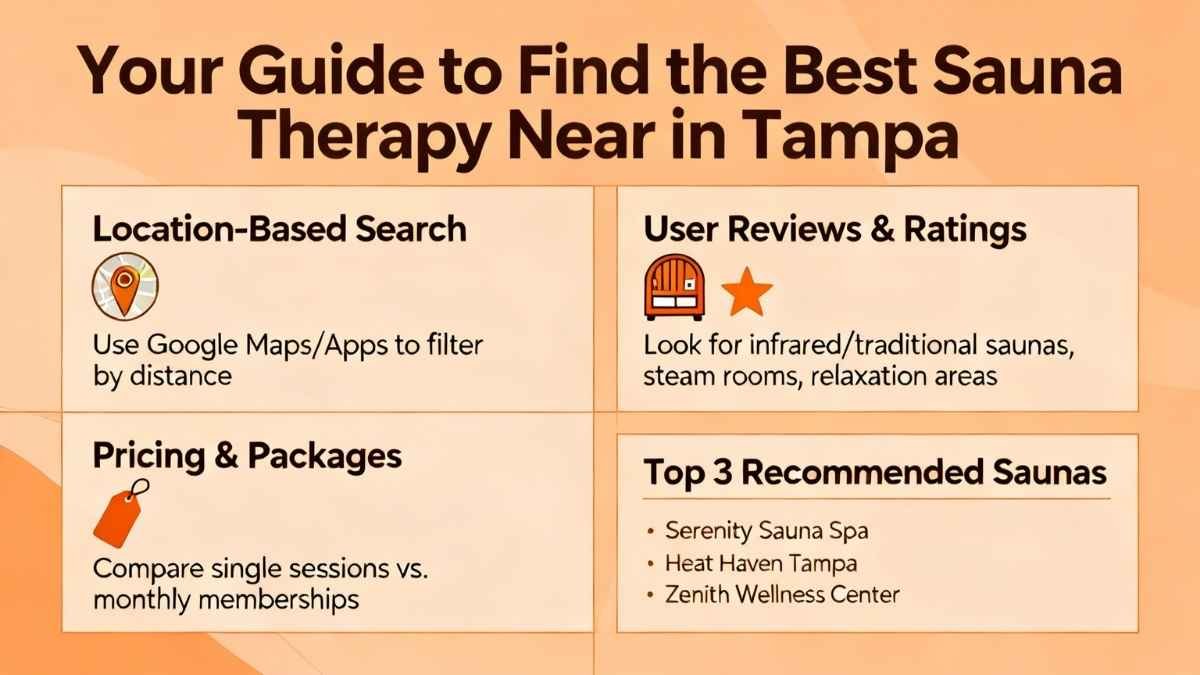
Tampa is quickly becoming a hub for health and wellness, attracting residents and visitors who are looking for ways to relax, recharge, and take care of their bodies.
Whether you’re winding down after a busy day, recovering from a workout, or simply seeking a quiet escape, sauna therapy offers benefits that go beyond relaxation. From traditional steam rooms to modern infrared saunas, Tampa’s wellness centers provide a variety of options that cater to different needs, preferences, and budgets.
With options ranging from traditional steam rooms to modern infrared saunas, there’s something for everyone.
Why Sauna Therapy Works
Sauna therapy uses controlled heat to raise your core body temperature, which encourages sweating and improves circulation. As your heart rate increases, your body responds in a way that is similar to light cardiovascular exercise. Many people notice they feel calmer and mentally refreshed after just one session.
Regular sauna use may help:
- Relieve muscle tension and joint stiffness
- Support post workout recovery
- Improve blood flow
- Promote clearer skin through sweating
- Encourage deeper, more restful sleep
In a warm climate like Tampa, you might think extra heat sounds intense. But sauna therapy is different from simply being outdoors. The environment is controlled, sessions are timed, and the experience is designed for recovery and relaxation rather than exposure.
Types of Saunas Available in Tampa
Wellness centers across Tampa offer different sauna styles, each with unique benefits. Knowing the difference can help you choose what fits your comfort level and goals.
Traditional Finnish Sauna
This type uses heated rocks to warm the air around you. Water can be poured over the rocks to create steam. The temperature is usually higher, which creates an intense sweat session in a shorter period of time.
Infrared Sauna
Infrared saunas use light waves to heat the body directly instead of heating the surrounding air. The temperature feels milder, but you still sweat deeply. Many people prefer infrared sessions for longer, more comfortable stays.
Steam Rooms
Steam rooms focus on humidity rather than dry heat. The moist air can feel soothing for the respiratory system and skin. This option is popular for those who enjoy a gentler, spa-like atmosphere.
Some wellness centers also combine sauna therapy with cold plunges or contrast therapy sessions, which alternate between hot and cold exposure to stimulate circulation and recovery.
How to Choose the Right Sauna Near You
Finding the best sauna near in Tampa depends on what you want from the experience. Here are a few practical tips to guide your decision.
- Consider Your Goal: Are you looking for muscle recovery, stress relief, detox support, or just relaxation? Athletes may prefer infrared for recovery, while others might enjoy the traditional high heat experience.
- Check Location and Convenience: Look for centers that are easy to access from your home or workplace. Areas like South Tampa and Downtown Tampa have several wellness studios offering flexible hours.
- Review Cleanliness and Safety: Hygiene is important in shared wellness spaces. Read reviews, ask about cleaning routines, and make sure staff provide clear guidance for first time users.
- Ask About Membership Options: Some spas and wellness centers offer packages or memberships that reduce the cost per session. If you plan to use the sauna regularly, this can make a big difference.
- Start Slow: If you are new to sauna therapy, begin with shorter sessions of 10 to 15 minutes. Stay hydrated before and after your session, and listen to your body.
Final Thoughts
Sauna therapy is a practical way to support your physical recovery, manage stress, and carve out time for yourself in a busy schedule. With a variety of sauna styles and wellness centers available throughout the city, finding the right fit is easier than ever.
Take your time exploring options, read reviews, and try a few different styles to see what feels best for your body. Once you find your favorite spot, sauna therapy can become a simple but powerful part of your wellness routine.

Why Sample Size Variability Changes Everything
Under previous RADV frameworks, CMS used relatively predictable sample sizes. Plans could estimate their exposure based on historical patterns. The current framework changed that. CMS now selects between 35 and 200 enrollees per contract, and the agency hasn’t published the criteria it uses to determine where a specific contract falls within that range.
This variability creates planning uncertainty. A plan preparing for a 35-enrollee sample faces a fundamentally different operational challenge than one facing 200. The documentation retrieval effort, the evidence validation workload, and the rebuttal preparation scale all differ substantially. Plans that staff and budget for the minimum may be overwhelmed if they receive the maximum.
The strategic implication is that plans must prepare for the upper end of the range. Building audit response infrastructure capable of handling 200 enrollees with full MEAT validation and evidence packaging ensures readiness regardless of where the actual sample falls. Preparing for 35 and hoping for the best is a gamble with quantifiable downside.
What Drives the Sample Size Decision
CMS hasn’t published an explicit formula, but the agency’s public statements and enforcement patterns suggest several factors influence sample size selection. Plans with higher coding intensity scores (risk scores that exceed clinical complexity indicators) are likely candidates for larger samples. Plans with prior audit histories showing elevated error rates may face expanded scrutiny. Plans operating in geographic regions with known coding pattern anomalies may receive larger samples to improve statistical reliability.
The AI-assisted targeting CMS now uses adds another dimension. When population-level analysis identifies specific patterns in a plan’s submitted data (concentration in high-value HCC categories, asymmetric add-to-delete ratios, high rates of unlinked chart review diagnoses), the system may flag the contract for a larger sample to investigate those patterns with greater statistical confidence.
Plans can’t control the sample size they receive. But they can control the factors that influence it. Programs that produce balanced coding profiles, defensible documentation, and two-way review output generate fewer of the statistical signals that warrant expanded samples.
Preparing for the Unknown
The practical response to variable sample sizes is worst-case operational readiness. Audit response teams should be resourced and trained for 200-enrollee reviews. Evidence trail systems should be capable of producing complete MEAT-validated documentation packages at that scale within the five-month submission window. Mock audit exercises should simulate upper-range samples to stress-test the response infrastructure.
Plans that treat every submitted code as a potential audit target, validating documentation and preserving evidence trails at the time of coding, effectively pre-build their audit response. When the sample arrives, regardless of size, the evidence already exists. The team validates and packages rather than scrambles and assembles.
The New Planning Reality
Variable sample sizes make radv audits unpredictable at the contract level. Plans can’t know in advance whether they’ll face a focused 35-enrollee review or an extensive 200-enrollee examination. The only preparation strategy that works across the full range is one that treats every code as audit-ready from the moment it’s submitted. Plans that build this continuous readiness spend less time reacting to audit notifications and more time demonstrating the defensibility they built into their coding process from the start.
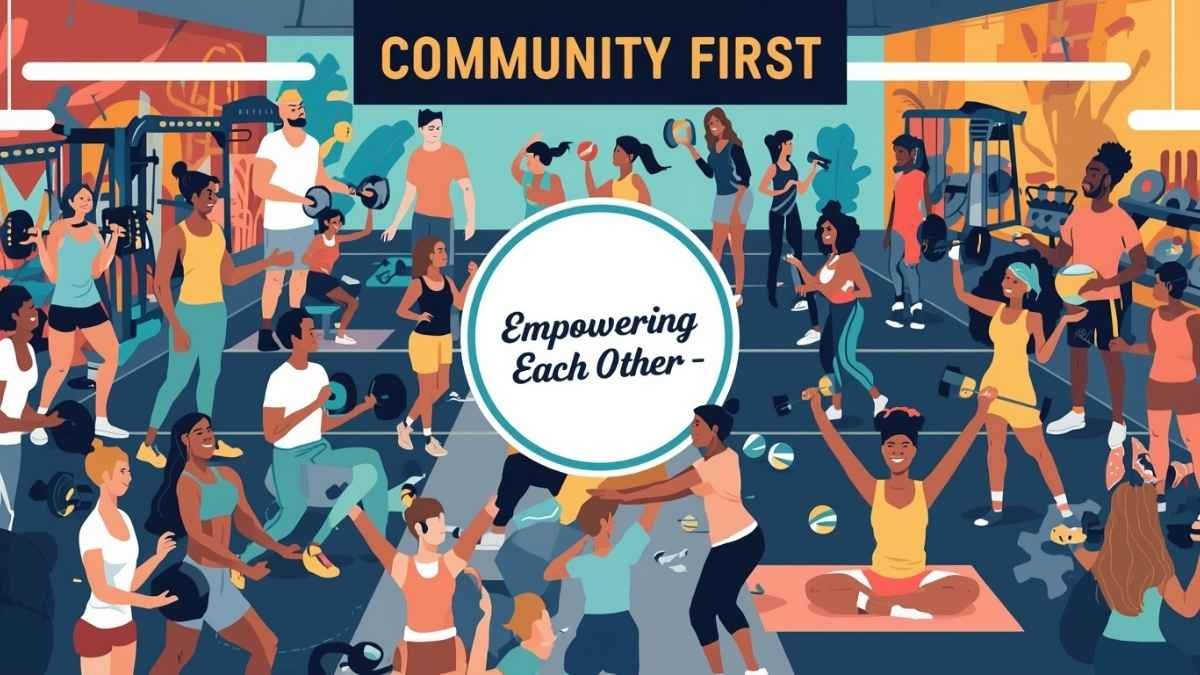
When people think about going to the gym, the first things that usually come to mind are equipment, workout plans, and maybe a playlist to get through the session. But there’s something else—often overlooked—that can make a huge difference in your fitness journey: the environment.
More specifically, being part of a community-focused gym.
It’s the difference between walking into a room full of strangers and stepping into a space where people know your name, encourage your progress, and genuinely want to see you succeed. And while that might sound like a small detail, it can have a big impact on your consistency, motivation, and overall results.
Let’s take a closer look at what makes this kind of environment so powerful.
Why Community Makes Fitness Easier to Stick With
One of the biggest challenges people face when it comes to fitness is simply showing up consistently. Life gets busy—work deadlines pile up, family responsibilities take over, and suddenly your workout becomes the first thing to drop off your schedule.
This is where community plays a huge role.
When you train in a supportive environment, you’re not just accountable to yourself anymore. You start recognizing familiar faces. Maybe someone notices when you miss a class. Maybe a coach checks in and asks how you’re doing. These small interactions create a sense of belonging—and that makes it much harder to skip.
Think about it like going to a regular café. If no one knows you, skipping a visit doesn’t matter. But if the barista greets you by name and remembers your usual order, you feel more connected—and more likely to return. The same principle applies in fitness.
In many industries, from education to corporate teams, community is known to improve engagement and performance. The same holds true in a gym setting. When people feel connected, they’re more committed.
Motivation That Goes Beyond Willpower
We often hear that motivation has to come from within—and while that’s true to some extent, relying on willpower alone can be exhausting.
A community-focused gym provides external motivation that helps fill in the gaps when your energy is low.
For example, group classes naturally create a shared energy. When everyone is pushing through the same workout, it becomes easier to keep going. You might start a session feeling tired, but seeing others give their best can inspire you to do the same.
It’s similar to working in a team environment at work. When everyone is focused and productive, you’re more likely to stay on track. But if you’re working alone, it’s easier to get distracted or lose momentum.
There’s also a sense of healthy competition—not in a negative way, but in a way that encourages growth. You might find yourself lifting a little heavier, running a bit faster, or pushing through one more rep simply because the energy around you lifts you up.
Over time, this kind of environment helps build confidence. You start realizing that you’re capable of more than you thought.
Learning and Growth Through Shared Experiences
Another underrated benefit of a community-driven gym is how much you can learn from others.
Whether you’re a beginner or someone with experience, there’s always something new to pick up. It could be a better way to perform an exercise, a recovery tip, or even advice on staying consistent.
In many ways, it mirrors how people learn in real life. Think about apprenticeships, mentorships, or even group projects in school—progress often happens faster when knowledge is shared.
In a gym setting, this happens naturally. You might observe how someone maintains proper form, or you might get a quick tip from a trainer or fellow member. These small insights can make a big difference in preventing injuries and improving results.
If you’re curious about how this kind of environment works in practice, you can explore more about it and see what it looks like in action—just click here to learn more.
A More Enjoyable and Less Intimidating Experience
For many people, especially beginners, gyms can feel intimidating.
Rows of machines, experienced lifters, and unfamiliar routines can make it hard to feel comfortable. This is one of the main reasons people quit early—they simply don’t feel like they belong.
A community-focused gym changes that experience.
Instead of feeling judged or out of place, you’re welcomed. There’s a sense that everyone started somewhere, and progress is celebrated at every level—not just at the top.
This kind of atmosphere reduces anxiety and makes fitness more approachable. It becomes less about comparing yourself to others and more about improving at your own pace.
You can see similar patterns in other environments. For example, in a supportive workplace, employees are more likely to share ideas and take initiative. In contrast, in a high-pressure or isolating environment, people tend to hold back.
The same applies to fitness. When you feel supported, you’re more willing to try new things, step out of your comfort zone, and stay committed.
Building Real Connections Beyond the Workout
One of the most meaningful benefits of training in a community-focused environment is the relationships you build along the way.
Over time, gym members often become more than just familiar faces—they become friends. You share wins, support each other through challenges, and celebrate milestones together.
These connections can extend beyond the gym as well. Some people find workout partners, accountability buddies, or even lifelong friendships.
And this matters more than it might seem.
In today’s fast-paced world, many people struggle to find time for social interaction. Combining fitness with social connection not only improves physical health but also supports mental wellbeing.
It’s a reminder that fitness isn’t just about looking better—it’s about feeling better, both physically and emotionally.
The Bigger Picture: Why Environment Shapes Results
At the end of the day, your environment plays a huge role in your success.
You can have the best workout plan in the world, but if you’re not in a space that encourages consistency, growth, and enjoyment, it’s much harder to stick with it.
A community-focused gym provides:
- Support when motivation is low
- Encouragement when progress feels slow
- Guidance when you’re unsure what to do
- And connection that makes the journey more enjoyable
It turns fitness from a chore into something you actually look forward to.
Final Thoughts
Training in a community-focused gym environment is about more than just working out—it’s about being part of something.
It’s about walking into a space where you feel supported, motivated, and inspired to keep going, even on the days when it’s tough.
Whether you’re just starting your fitness journey or looking to take things to the next level, the right environment can make all the difference.
Because in the end, it’s not just about the workouts you do—it’s about the people around you who help you show up, stay consistent, and become a better version of yourself.

Life gets busy—sometimes overwhelmingly so. Between work deadlines, meetings, school runs, and household responsibilities, it can feel nearly impossible to carve out time for your own health. And yet, aches, pains, and injuries don’t wait for a convenient moment to show up.
This is where online physiotherapy is quietly changing the game. By bringing expert care directly into your home or office, it removes many of the barriers that stop people from seeking treatment in the first place.
Let’s explore how this modern approach to care is helping busy professionals and parents stay healthy without disrupting their already packed schedules.
Fitting Treatment Into Real Life (Not the Other Way Around)
One of the biggest challenges people face with traditional physiotherapy is simply finding the time to attend appointments. Think about it—between commuting, waiting rooms, and session time, a single visit can easily take up half a day.
For a working professional, that might mean rescheduling meetings or using up valuable leave time. For parents, it often involves arranging childcare, coordinating school pick-ups, or bringing kids along to the clinic.
Online physiotherapy removes these hurdles.
Instead of traveling to a clinic, you can attend your session from your living room, home office, or even a quiet space at work. All you need is a device with a camera and an internet connection. This flexibility makes it far easier to stay consistent with treatment, which is key to recovery.
For example, imagine a marketing manager dealing with persistent neck pain from long hours at a desk. Instead of postponing treatment for weeks, they can schedule a quick online session during a lunch break. Or a parent recovering from a back strain can attend a session while their child naps in the next room.
It’s care that fits into your life—not the other way around.
Personalized Care Without the Clinic Setting
Some people assume that online physiotherapy is less effective because it’s not “hands-on.” But in reality, much of physiotherapy focuses on assessment, education, and guided exercises—things that can be delivered very effectively online.
During a virtual session, a physiotherapist can:
- Assess your posture and movement
- Ask targeted questions about your pain or injury
- Guide you through exercises in real time
- Correct your form as you move
- Provide advice tailored to your daily routine
In fact, being at home can sometimes make the session even more relevant. Your physiotherapist can see your actual work setup, your chair, your desk height, or even how you lift your child. This allows them to give practical, real-world advice you can implement immediately.
For instance, a software developer with wrist pain might get guidance on adjusting their keyboard position or mouse use right there during the session. A parent with knee pain could be shown safer ways to squat or pick up toys without aggravating the issue.
This level of personalization often leads to better long-term outcomes because the advice is directly tied to your everyday environment.
Reducing Stress Around Health Appointments
Let’s be honest—sometimes the hardest part of healthcare isn’t the treatment itself, but everything around it.
Traffic. Parking. Running late. Waiting rooms. Rearranging your day.
All of these small stressors add up, especially for people already juggling multiple responsibilities.
Online physiotherapy simplifies the entire process. You log in, attend your session, and carry on with your day. No travel, no waiting, no added pressure.
This convenience can make a big difference in how people approach their health. When appointments are easy to attend, people are more likely to follow through with their treatment plan instead of delaying it.
For busy parents, this can be especially valuable. Instead of skipping appointments because childcare falls through, they can still get the support they need. For professionals, it means fewer disruptions to their workflow and less stress about stepping away from work.
If you’re curious about how this works in practice, you can always visit website resources that explain what to expect from a virtual session and how to get started.
Supporting Long-Term Health, Not Just Quick Fixes
Another major benefit of online physiotherapy is how it encourages ongoing care rather than one-off visits.
Because sessions are easier to schedule and attend, people are more likely to stick with their treatment plan over time. This consistency is crucial for managing chronic pain, recovering from injuries, or improving overall mobility.
It also opens the door to more proactive care.
Instead of waiting until pain becomes severe, you can check in with a physiotherapist early, address small issues, and prevent them from becoming bigger problems. This approach is particularly helpful for professionals who spend long hours at desks or parents who perform repetitive physical tasks every day.
For example:
- A teacher experiencing early shoulder discomfort can address it before it turns into a long-term issue.
- A parent noticing mild lower back pain can learn strengthening exercises before it worsens.
- A tradie or warehouse worker can get advice on safer lifting techniques without missing a day’s work.
Over time, this proactive approach can save not only time but also money and stress.
A Practical Solution for Modern Lifestyles
The way we live and work has changed dramatically in recent years. Remote work, flexible schedules, and digital communication have become the norm across many industries.
Healthcare is evolving alongside these changes, and online physiotherapy is a perfect example of that shift.
It offers:
- Flexibility for unpredictable schedules
- Accessibility for people in remote or busy urban areas
- Convenience that reduces barriers to care
- Personalized guidance tailored to real-life environments
For busy professionals and parents, these benefits can make all the difference.
Instead of putting your health on hold until things “calm down,” you can take small, consistent steps toward feeling better—without adding more pressure to your already full plate.
Final Thoughts
At the end of the day, taking care of your body shouldn’t feel like another overwhelming task on your to-do list.
Online physiotherapy makes it easier to prioritize your health in a way that feels manageable and realistic. Whether you’re dealing with ongoing pain, recovering from an injury, or simply trying to move better in your daily life, having access to expert guidance from home can be a game changer.
For busy professionals and parents, it’s not just about convenience—it’s about finally having a practical way to stay consistent, reduce pain, and feel better without sacrificing everything else that matters.

Microsoft Dynamics Implementation Services for Digital Business Growth in UAE

Eclipse Blinds: Transforming Homes with Stylish Window Treatments in Knoxville TN

The Variable Sample Size Problem: Why RADV Audits Are Harder to Predict Than Ever

هنتاوي.com: A Guide to Safe and Responsible Online Browsing

How to buy Steroids with Credit Card?
