
General
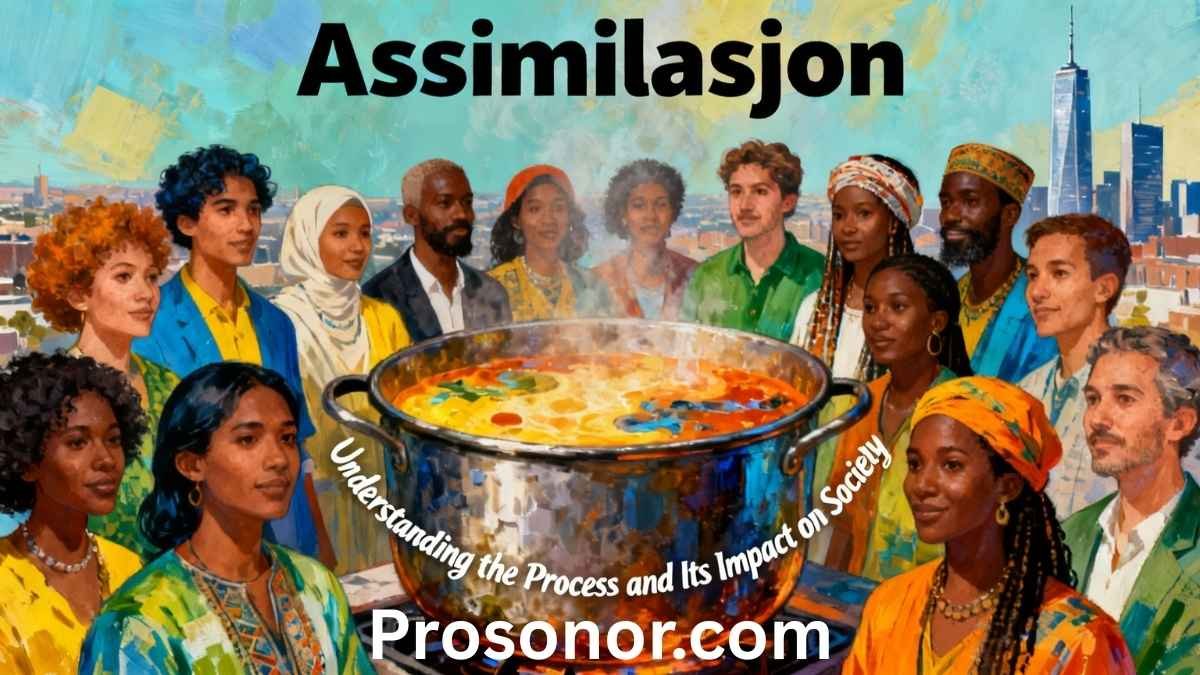
Assimilasjon: Understanding the Process and Its Impact on Society

Introduction to Assimilasjon
Assimilasjon, or assimilation in English, is a concept widely used in sociology, linguistics, and cultural studies. At its core, it refers to the process by which individuals or groups adopt the cultural, social, or linguistic traits of another group, often resulting in partial or full integration into the dominant society.
In today’s globalized world, assimilasjon is a phenomenon that impacts migration, multicultural societies, and the dynamics of cultural identity. It is not just about adopting language or customs; it also involves internalizing values, behaviors, and social norms. Understanding assimilasjon is critical for policymakers, educators, and community leaders, as it helps shape inclusive societies while respecting diversity.
Experts point out that assimilasjon is often a two-way process. While newcomers adopt traits from the dominant culture, the host society may also adapt, creating a dynamic cultural exchange. The balance between integration and preservation of original cultural identity is a central discussion in studies of assimilasjon.
Historical Perspective of Assimilasjon
Historically, assimilasjon has played a significant role in shaping societies. In the context of European colonialism, indigenous populations were often subjected to forced assimilation, adopting the language, religion, and cultural norms of colonizers. These historical examples highlight both the power and the controversy surrounding assimilasjon.
In the 19th and 20th centuries, many countries experienced waves of immigration that led to discussions about national identity and social cohesion. Immigrants were often encouraged, or even required, to assimilate into the host culture. Schools, workplaces, and public institutions acted as spaces where assimilasjon took place through language education, social norms, and civic expectations.
Contemporary perspectives acknowledge that assimilasjon is not always linear or mandatory. Modern societies emphasize multiculturalism, where assimilasjon can coexist with the preservation of original cultural traits. This nuanced understanding reflects an evolution from forced assimilation to voluntary, negotiated integration.
Types of Assimilasjon
Assimilasjon can occur in different domains, and experts often classify it into social, cultural, and linguistic types. Social assimilasjon refers to the integration of individuals into societal structures, such as employment, education, and political participation. Individuals learn to navigate social norms, form networks, and participate in community life.
Cultural assimilasjon involves adopting the customs, traditions, and values of the dominant group. This can include changes in clothing, dietary habits, religious practices, and social rituals. While cultural assimilasjon can foster social cohesion, it also raises questions about cultural preservation and identity loss.
Linguistic assimilasjon is one of the most visible forms, where individuals learn and adopt the language of the dominant society. Language is a powerful tool for communication and social mobility, but linguistic assimilasjon may sometimes come at the cost of heritage languages, particularly among second-generation immigrants.
Factors Influencing Assimilasjon
Several factors influence the degree and speed of assimilasjon. Age is a key factor; younger individuals often assimilate more easily due to exposure through schooling and peer interactions. Adults may find it more challenging, especially if they have established strong cultural identities or face barriers in the host society.
Socioeconomic status also plays a significant role. Individuals with access to education, professional opportunities, and social networks often experience smoother assimilasjon. Conversely, marginalized groups may face systemic obstacles that hinder integration, highlighting the importance of inclusive policies.
Cultural distance between the immigrant and host society is another critical factor. The greater the difference in language, values, and social norms, the more complex the assimilasjon process. Supportive measures, such as language courses, mentorship programs, and community engagement initiatives, can help bridge this gap.
Benefits of Assimilasjon
Assimilasjon offers several social and individual benefits. At the societal level, it promotes social cohesion and stability by reducing cultural friction and facilitating mutual understanding. It allows individuals to participate fully in economic, political, and social life, contributing to national development.
For individuals, assimilasjon enhances access to education, employment, and social services. Learning the dominant language, understanding local customs, and navigating societal norms can open doors to opportunities that might otherwise remain inaccessible.
Moreover, assimilasjon can foster intercultural understanding and cooperation. By engaging with the host culture, individuals develop skills in negotiation, empathy, and adaptation, which are valuable in increasingly diverse societies. Experts emphasize that when managed thoughtfully, assimilasjon benefits both individuals and communities without eroding cultural diversity.
Challenges and Criticisms of Assimilasjon
Despite its benefits, assimilasjon is not without challenges. Critics argue that it can lead to loss of cultural identity, particularly for minority or indigenous groups. When assimilation pressures are strong, individuals may feel compelled to abandon their heritage, resulting in psychological stress and a sense of cultural dislocation.
Another challenge is the unequal expectations placed on immigrants. While newcomers are encouraged to assimilate, the host society may not reciprocate, creating a one-sided process that fosters exclusion rather than integration. This can manifest in discrimination, social prejudice, or limited access to opportunities.
Experts also note that rapid or forced assimilasjon can create intergenerational tensions. Younger members of immigrant families often assimilate faster than their parents, leading to conflicts over cultural practices, values, and identity. Balancing assimilasjon with respect for heritage is therefore essential for social harmony.
Assimilasjon in Modern Societies
In contemporary multicultural societies, assimilasjon is evolving. Policymakers increasingly recognize the value of integration without erasure, where individuals can participate fully in society while maintaining their cultural identity. Programs supporting bilingual education, cultural festivals, and community engagement reflect this modern approach.
Technology and social media also influence assimilasjon. Online platforms allow individuals to engage with both the host culture and their heritage community simultaneously. This dual engagement helps maintain cultural ties while facilitating adaptation to the dominant society.
Experts suggest that modern assimilasjon is more flexible and individualized. Voluntary and negotiated forms of assimilasjon are encouraged, where people choose which cultural traits to adopt and which to retain. This approach fosters diversity, innovation, and intercultural dialogue, highlighting that assimilasjon need not be synonymous with cultural homogenization.
Conclusion
Assimilasjon is a complex, multifaceted process that shapes individual identities and societal structures. It encompasses social, cultural, and linguistic integration, influenced by factors such as age, socioeconomic status, and cultural distance. While it offers benefits like social cohesion and expanded opportunities, it also presents challenges related to cultural preservation and identity.
In modern societies, assimilasjon is evolving toward more inclusive, flexible approaches that balance integration with cultural diversity. By understanding assimilasjon, policymakers, educators, and community leaders can create environments where individuals thrive, cultures coexist, and societies remain cohesive yet dynamic.
Ultimately, assimilasjon is not just a process of adaptation—it is a continuous negotiation between identity, opportunity, and belonging, shaping the way communities and individuals interact in an increasingly interconnected world.
Introduction
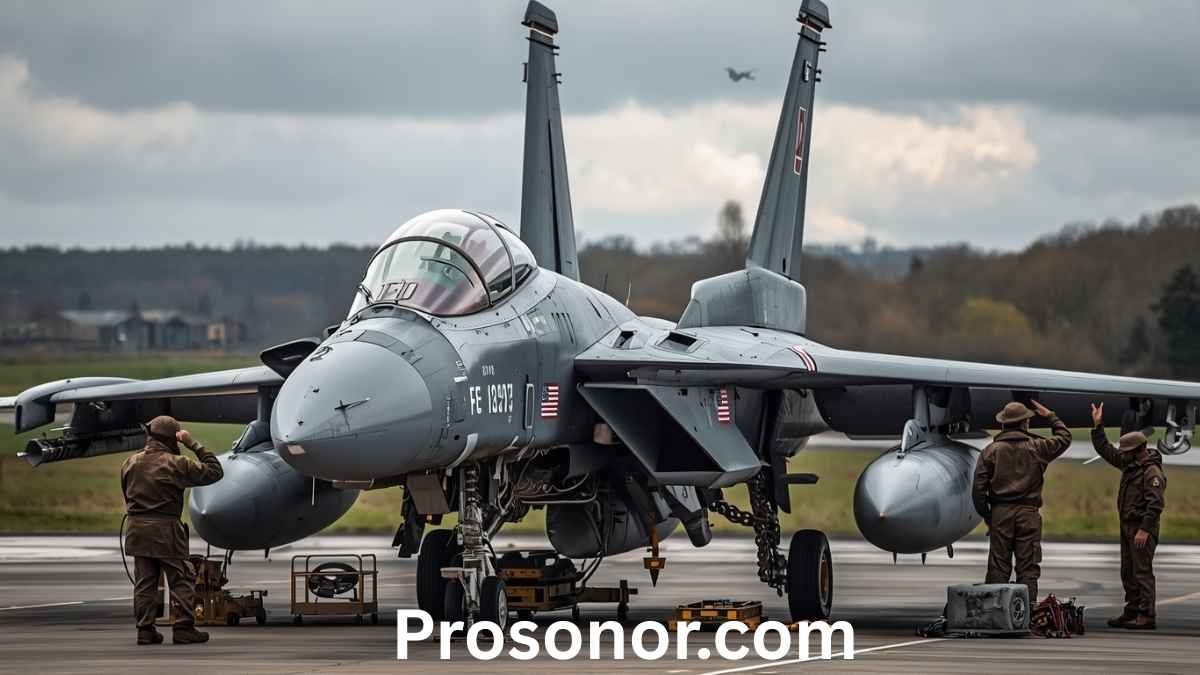
The phrase F 15 Jet Demilitarization at RAF Lakenheath may sound complex, but the idea is simple. It’s about what happens when powerful fighter jets, like the F-15, are taken out of active military use at RAF Lakenheath.
In this blog post, you’ll learn what demilitarization means, why it happens, and what it looks like at RAF Lakenheath. We’ll break it down in easy English, so anyone can understand. No confusing jargon. Just clear and helpful information.
What Is RAF Lakenheath?
RAF Lakenheath is a large airbase in England. The United States Air Force uses it as one of its main bases in Europe. It plays a big role in defense and training.
This base is well known for hosting F-15 fighter jets. These jets are fast, powerful, and built for air combat.
What Is an F-15 Jet?
The F-15 is a fighter aircraft designed for speed and strength. It can fly at very high speeds and carry advanced weapons.
There are different versions of the F-15, such as:
- F-15C – mainly for air combat
- F-15E – used for both air and ground missions
These jets have served for many years. But like all machines, they don’t last forever.
What Does Demilitarization Mean?
Demilitarization means removing all military parts from a piece of equipment. In this case, it means taking weapons and sensitive systems out of an F-15 jet.
It does not mean destroying the jet completely. Instead, it prepares the aircraft for:
- Storage
- Display in museums
- Training use
- Safe disposal
Think of it like turning a “battle machine” into a safe, inactive object.
Why Does F-15 Jet Demilitarization Happen at RAF Lakenheath?
There are several reasons why demilitarization takes place.
1. Aging Aircraft
F-15 jets have been in service for decades. Some are simply too old to fly safely.
2. New Technology
Newer aircraft like the F-35 are replacing older jets. The military upgrades to stay modern.
3. Cost of Maintenance
Old jets need more repairs. That costs time and money.
4. Safety and Security
Old systems may not meet today’s safety standards. Also, sensitive technology must not fall into the wrong hands.
How Does the Demilitarization Process Work?
The process is careful and detailed. It follows strict rules.
Step 1: Inspection
Experts check the jet. They decide what parts need removal.
Step 2: Removal of Weapons
They remove all weapons and related systems. This step ensures safety.
Step 3: Removal of Sensitive Equipment
They take out radar systems, electronics, and classified parts.
Step 4: Draining Fluids
They remove fuel, oils, and other liquids. This prevents environmental harm.
Step 5: Final Handling
After all steps, the jet may be:
- Stored
- Sent to a museum
- Used for training
- Scrapped for parts
What Happens to Demilitarized F-15 Jets?
Once the process ends, the jet has no combat ability.
Here are some common outcomes:
- Museum Display
Some jets become exhibits. People can see them up close. - Training Tools
Ground crews use them for practice. - Parts Recycling
Some parts get reused in other aircraft. - Storage
Some jets stay in long-term storage for future use.
Why Is This Important?
The topic “f 15 jet demilitarization raf lakenheath” matters for several reasons.
Security
Removing military systems keeps sensitive technology safe.
Environmental Protection
Proper handling of fuel and chemicals helps protect nature.
Cost Efficiency
Recycling parts saves money.
Historical Value
Some jets become part of history in museums.
Impact on RAF Lakenheath
Demilitarization also affects the base itself.
- It frees up space for newer aircraft
- It creates work for engineers and technicians
- It supports long-term planning for the airbase
RAF Lakenheath continues to evolve. It stays ready for future missions.
Common Misunderstandings
Let’s clear up a few myths.
- Myth: Demilitarization means destroying jets
Truth: Many jets get reused or displayed - Myth: It happens quickly
Truth: The process takes time and care - Myth: Old jets have no value
Truth: They still serve training and historical roles
Conclusion
The process of f 15 jet demilitarization raf lakenheath may sound technical, but it’s actually quite practical. It helps keep military operations safe, modern, and efficient.
RAF Lakenheath plays a key role in this process. It ensures that old aircraft are handled the right way. Nothing goes to waste. Everything follows strict rules.
In simple terms, demilitarization gives old jets a new purpose. Some teach. Some inspire. And some quietly retire after years of service.
FAQs
1. What is F-15 jet demilitarization?
It is the process of removing weapons and sensitive systems from an F-15 jet to make it safe and inactive.
2. Why is demilitarization done at RAF Lakenheath?
Because it is a major base for F-15 jets and has the facilities to handle the process safely.
3. Are demilitarized jets destroyed?
Not always. Many are used for training, displayed in museums, or stored.
4. How long does the process take?
It depends on the jet, but it usually takes time because each step must be done carefully.
5. Can demilitarized F-15 jets fly again?
In most cases, no. They are no longer equipped for active flight missions.
Introduction
You might have seen the word yallateri online and wondered, “What does this even mean?” You’re not alone. Many people search for yallateri every day. Some are curious. Some think it’s a platform. Others just want clear answers.
This guide will help you understand everything about yallateri in simple words. No confusing talk. No long boring lines. Just clear info you can trust.
By the end, you’ll know what yallateri is, why it’s trending, and what to watch out for.
What is Yallateri?
Let’s keep it real.
Yallateri is a keyword that people search online. It may refer to a website, a service, or a trending term. In many cases, users come across it through links, ads, or social media.
Sometimes, these kinds of keywords:
- Point to online platforms
- Get shared quickly
- Create curiosity
But here’s the thing. Not every trending keyword has clear or official information. That’s why people search it again and again.
Why is Yallateri Trending?
There are a few simple reasons.
1. Curiosity
The name sounds different. People want to know what it is.
2. Social Sharing
Links spread fast on WhatsApp, Facebook, and other apps. One click leads to another.
3. Easy Access
Many users say such platforms are easy to open. No complex steps.
4. Hype Factor
Sometimes, people talk about something just because others are talking about it. Yes, the internet works like that.
What Do Users Expect from Yallateri?
When someone searches yallateri, they usually expect a smooth and simple experience.
Here’s what people often look for:
- Quick loading pages
- Easy navigation
- Mobile-friendly design
- Simple sign-up process
No one likes slow or confusing websites. People want things fast and easy.
Common Features Linked with Yallateri
While details may vary, users often connect yallateri with platforms that offer:
✔ Simple Design
- Clean layout
- Easy buttons
- No clutter
✔ Fast Performance
- Pages load quickly
- No lag
✔ Accessibility
- Works on phones
- Works on basic internet
✔ Variety
- Different options to explore
- Keeps users engaged
Things You Should Be Careful About
Now let’s talk about something important. Safety.
Not every website is safe. You should always stay alert.
⚠ Check the Link
Make sure the URL looks real. Fake links are common.
⚠ Avoid Sharing Personal Info
Don’t share:
- Your ID
- Bank details
- Passwords
⚠ Watch Out for Pop-Ups
Too many pop-ups? That’s a red flag.
⚠ Trust Your Instinct
If something feels off, leave the site.
Is Yallateri Safe to Use?
The answer depends on what exactly you are visiting.
Since yallateri is a general keyword, not one fixed platform, safety can change.
So always:
- Check reviews
- Use secure internet
- Avoid unknown downloads
Think before you click. That’s the best rule.
Tips for First-Time Users
If you’re new and curious, take it slow.
Simple tips:
- Don’t rush
- Explore carefully
- Start with basic features
- Set limits on your time
Treat it like trying a new app. You test it first. Then decide.
Why You Should Not Believe Everything Online
Let’s be honest for a second.
The internet loves hype.
You may see big claims like:
- “Best platform ever”
- “100% results”
- “Instant success”
But real life doesn’t work like that.
👉 No platform is perfect
👉 Not everything is true
Always use common sense.
Pros and Cons of Exploring Yallateri
Pros
- Easy to access
- Popular and trending
- Simple user experience
- Works on mobile
Cons
- Lack of clear info
- Possible fake links
- Safety risks
- Confusion for new users
Conclusion
Yallateri is one of those internet trends that grab attention fast. People search it out of curiosity. Some explore it. Others just want answers.
The key is simple.
Stay smart. Stay safe. Don’t rush into anything. The internet has many useful things, but it also has risks.
If you take small steps and stay alert, you’ll have a better experience. And you won’t fall into common traps.
FAQs
1. What is yallateri?
It is a trending keyword. It may relate to a website or online platform, but details can vary.
2. Why do people search for yallateri?
Mostly out of curiosity. Some see it on social media or shared links.
3. Is yallateri safe?
It depends on the site you visit. Always check security and avoid sharing personal details.
4. Can I use it on mobile?
Yes, most platforms linked with such keywords are mobile-friendly.
5. Should I trust everything about yallateri online?
No. Always double-check information and avoid believing hype.

Picture this. A small village leader finally gets approval for street lighting after years of waiting. It is a cycle that too many rural communities know well. Investing in Long Life Solar Lighting Solutions from the beginning changes that story completely, delivering years of dependable, low-maintenance illumination without the painful cycle of repairs, replacements, and budget requests starting all over again.

Why Rural Communities Cannot Afford Short-Term Lighting Solutions
- The True Cost of Frequent Replacements
Each time a part in the lighting system fails and must be replaced, the cost is not just the part being replaced. It is also the labor, the logistics, and the management required in coordinating repairs in areas that may not have easy access to electrical repair personnel. For rural areas, this can be a costly problem, especially since their budgets are already stretched thin to begin with.
Infrastructure Funding Is Hard to Secure Repeatedly
Grants, municipal allocations, and state funding for rural infrastructure are competitive and irregular. A village leader who secures lighting funding once cannot count on that same opportunity appearing again on a convenient timeline. Choosing a solution that lasts protects that investment and removes the pressure of constantly reapplying for funds just to maintain what already exists.
Maintenance Crews Are Not Always Locally Available
Urban areas have electrical contractors and maintenance teams within easy reach. Rural communities often do not. When something needs fixing, it can mean waiting days for a crew to travel out, paying premium rates for the service call, and managing a stretch of unlit road in the meantime. The fewer service calls required, the better for everyone involved.
Communities Grow and Needs Change Over Time
In a rural village, investing in lighting solutions today may be crucial in ensuring that the investments are still required in the future, considering the growth of the community. Lighting solutions with a short lifespan or those that become obsolete compel rural villages to engage in reactive spending, instead of forward-looking spending.
Short-Term Thinking Has Real Long-Term Consequences
Choosing infrastructure based only on upfront cost is a pattern that rural communities know all too well and often regret. A cheaper solution that needs replacing in four years costs far more over a decade than a durable one installed the first time correctly. Village leaders increasingly understand that the better question is not what something costs today but what it costs over its entire lifespan.
What Makes Solar Lighting Solutions the Right Fit
LED Technology That Lasts for Decades
Modern solar lighting systems use LED light sources that are rated for tens of thousands of hours of operation. Unlike older bulb technologies that burned out regularly, LEDs maintain their performance over extended periods, dramatically reducing how often any component of the lighting system needs to be touched, replaced, or even inspected on a routine basis.
Battery Systems Built for the Long Haul
The battery is at the core of a solar-powered lighting solution, and long-life solar-powered lights feature cutting-edge battery systems that can withstand years of repeated charging and discharging without compromising performance. That’s what keeps them lit night in and night out, without any unexpected failures that can plunge a road into darkness. Solar Panels With
Extended Performance Ratings
Quality solar panels used in long-life systems are rated to maintain strong energy output for twenty years or more. These continue to efficiently convert sunlight into power even as they age, ensuring the entire system remains efficient long after the more affordable alternatives would have required considerable maintenance or replacement.
Outdoor Conditions
A lighting solution is only as good as its ability to survive in the conditions in which it is used. Solar lighting solutions are designed with materials and construction standards that can withstand years of exposure to the elements, temperature extremes, wind, and general wear and tear associated with installation in a location where routine maintenance support is not readily available.
Minimal Moving Parts Means Fewer Failure Points
One of the hidden benefits of solar-powered lighting systems is their simplicity. Without the need for complex wiring or transformer arrangements associated with more traditional forms of electrically-powered lights, solar-powered lights have fewer points where something can go wrong. Fewer points where something can go wrong means a longer time between when service is needed, which is a critical need for a rural community where support services may be distant.
A Closing Thought
For a rural community leader, lighting is not just about illuminating a road. It is about deciding that the community will not have to revisit for a very long time. Long Life Solar Lighting Solutions offer exactly that kind of stability, years of dependable illumination, minimal upkeep, and the confidence that one good investment can carry a community forward without constantly pulling resources away from everything else that needs attention.

Hundurs: Meaning Origins and Uses Explained

Fowlmead Kent: A Complete Guide to the Country Park

How To Create Custom Mugs Quickly Without Design Experience in 2026: A Step-by-Step Guide on Using Mug Mockup Generators

هنتاوي.com: A Guide to Safe and Responsible Online Browsing

HentaiHaven: Understanding the Platform Its History and Impact

Matteo Mantegazza: Career Background and Public Profiles
-

 Gaming1 week ago
Delta Ending Three Routes: Understanding the Different Paths in Deltarune
-

 Travel1 week ago
Which Boeing Planes to Avoid? A Practical Guide for Travelers
-
General1 week ago
How Long Do Solar Lighting Solutions Help Rural Communities?
-

 Social media1 week ago
Internet Chicks: Understanding the Rise of Female Creators in the Digital World
-

 Sports1 week ago
MLB Fall Classic 2025: Everything Fans Should Know About Baseball’s Biggest Championship
-

 Gaming7 days ago
Jackpotplay11.com – A Complete Guide to Features Games and Online Entertainment
-

 Finance1 week ago
SSA $3200 Direct Deposit Payment 2025: What You Need to Know About Social Security Payments
-
 Entertainment1 week ago
Ero Me: Understanding the Meaning Origins and Online Context of the Term