
News
Why Is Robert Peston Not on TV Tonight: Understanding How TV News Really Works


Introduction
InIf you’ve ever turned on your TV expecting to see a familiar political editor and noticed they’re missing, you’re not alone. One question that frequently pops up online is why is Robert Peston not on TV tonight. It’s a surprisingly common search, and it says a lot about how closely audiences follow trusted journalists.
Robert Peston has become a recognizable figure in UK political journalism. His presence often signals analysis, context, and calm explanation during busy news cycles. So when he’s not on screen, viewers naturally wonder what’s going on.
The short answer is usually far less dramatic than people assume. The longer answer involves understanding how broadcast news schedules, editorial decisions, and professional roles actually function behind the scenes.
Robert Peston’s Role in Modern Political Journalism
Robert Peston is not just a television presenter; he is primarily a political editor and analyst. His job extends far beyond appearing on screen. Much of his work happens behind the scenes, including researching stories, briefing producers, and preparing in-depth political commentary.
Unlike regular news anchors who appear on set at fixed times, political editors rotate based on relevance and need. If there is no major political development that evening, producers may choose other voices or formats instead.
From an expert perspective, this flexibility is intentional. It ensures that the right expertise appears at the right moment, rather than forcing the same commentators into every broadcast regardless of relevance.
Editorial Decisions Shape Who Appears on Screen
One major reason people ask why is Robert Peston not on TV tonight is because editorial priorities change daily. News programs are carefully structured based on what stories are most important at that moment.
If the evening’s focus is international news, public health, or breaking local events, political analysis may take a back seat. That doesn’t mean the political editor is absent or sidelined; it simply means the story mix has shifted.
Television news is a collaborative operation. Editors, producers, and directors constantly adjust lineups to ensure balance, clarity, and relevance for viewers.
Not Every Absence Is About Breaking News
Viewers often assume that a journalist’s absence must signal a major issue or controversy. In reality, there are many routine reasons why Robert Peston might not appear on TV on a given night.
He could be working on longer-term projects, preparing for upcoming political events, or conducting background interviews that won’t air immediately. These tasks are essential but invisible to the audience.
Experts in broadcast journalism emphasize that visibility is only one small part of the job. A quiet night on screen often means a busy day behind the scenes.
Scheduling, Rotation, and Work-Life Balance
Television news operates on rotating schedules. Even high-profile journalists are not expected to appear every night. Rotation helps avoid burnout and allows teams to bring in fresh perspectives.
Robert Peston, like other senior journalists, may take scheduled time off or shift his focus to digital platforms, radio appearances, or written analysis. These transitions are normal and planned well in advance.
From a professional standpoint, this approach supports consistency and quality. Journalists who are well-rested and focused produce better analysis than those stretched across every broadcast.
The Growing Role of Digital Journalism
Another overlooked factor behind the question why is Robert Peston not on TV tonight is the rise of digital media. Journalists today operate across multiple platforms, not just television.
Robert Peston is active in written commentary and online analysis, where complex political issues can be explored in more depth. Sometimes, editorial teams choose to prioritize digital output over TV appearances.
Experts agree that this shift reflects changing audience habits. Many people now consume political news through articles, social media, and on-demand clips rather than live broadcasts.
Viewer Expectations and Familiar Faces
Audiences naturally form connections with familiar journalists. Seeing the same trusted face during major political moments builds confidence and comfort. When that face is missing, curiosity follows.
However, it’s important to separate expectation from obligation. A journalist’s role is to inform, not to maintain constant visibility. The news does not revolve around any single individual.
From an industry viewpoint, rotating contributors helps avoid over-reliance on one voice and encourages broader perspectives in political reporting.
Avoiding Speculation and Misinformation
Searches like why is Robert Peston not on TV tonight sometimes lead to unnecessary speculation online. Rumors can spread quickly, especially when no official explanation is offered.
In most cases, there is no story at all—just routine scheduling or editorial choice. Responsible media consumption means recognizing that absence does not equal controversy.
Experts strongly advise relying on credible sources rather than assumptions. If there were significant news regarding a journalist, it would be clearly reported.
How Newsrooms Decide Who Appears and When
Behind every broadcast is a detailed editorial meeting. Producers decide which journalists are best suited to explain each story, based on expertise and relevance.
If political developments are minimal, a political editor may not be needed that evening. If a major event is expected later, they may be preparing for future coverage instead.
This strategic planning ensures that when a journalist like Robert Peston does appear, it is meaningful and timely rather than routine.
Final Thoughts: A Normal Part of News Broadcasting
So, why is Robert Peston not on TV tonight? In most cases, the answer is simple: it’s a normal part of how professional newsrooms operate.
Absence does not signal a problem, controversy, or change in status. It usually reflects editorial judgment, scheduling rotation, or a focus on other forms of journalism.
Understanding this helps viewers engage with news more calmly and confidently. Trusted journalists remain at work, whether they’re visible on screen that night or not.

Introduction
In the world of journalism and international reporting, certain names stand out for their consistency, credibility, and thoughtful analysis. Christopher Wooden is one such figure. Known for his extensive reporting on global religious affairs, social justice issues, and Vatican developments, Christopher Wooden has built a respected career grounded in careful research and clear communication.
For readers interested in global religious news, particularly developments connected to the Catholic Church, Christopher Wooden’s work has often served as a reliable source of information. His reporting style reflects depth, context, and professionalism—qualities that are increasingly important in a fast-moving digital media environment.
This article explores Christopher Wooden’s background, professional journey, reporting focus, writing style, and long-term influence. By understanding his work more closely, we can better appreciate the role thoughtful journalism plays in shaping public understanding of complex global issues.
Early Career and Professional Foundations
Christopher Wooden developed his career in journalism during a time when international reporting required both patience and precision. Reporting on global religious affairs is not simply about covering events—it requires cultural understanding, historical awareness, and the ability to interpret nuanced institutional language.
Much of Wooden’s professional identity became associated with his work for , where he contributed significantly to coverage related to the Vatican and global Catholic affairs. Reporting in this area demands both access and credibility, as well as a deep understanding of theological and institutional structures.
Working in Rome provided him proximity to the Vatican, allowing him to report accurately on developments within the Holy See. His reporting often involved explaining complex Church decisions in ways that ordinary readers could understand without oversimplifying the subject matter.
Reporting on the Vatican and Global Catholic Affairs
A significant portion of Christopher Wooden’s work has focused on the Vatican and its global influence. Covering developments connected to requires more than event-based reporting; it involves contextual analysis and institutional knowledge.
During the papacy of , Wooden’s reporting frequently addressed themes such as social justice, environmental responsibility, migration, and Church reform. These topics often intersected with global political and humanitarian issues, making accurate reporting even more essential.
His coverage was not limited to high-profile announcements. He also reported on synods, theological debates, and Church initiatives around the world. This broader perspective helped readers understand how Vatican decisions influenced Catholic communities internationally.
Writing Style and Journalistic Approach
One of Christopher Wooden’s defining characteristics as a journalist is clarity. Religious and institutional reporting can easily become dense or technical. However, Wooden has consistently demonstrated the ability to explain complex issues in straightforward language.
His writing style balances neutrality with depth. Rather than inserting personal opinions, he focuses on presenting verified facts, contextual background, and relevant perspectives. This approach strengthens credibility and encourages informed readership.
Additionally, Wooden’s reporting often includes historical references. Understanding Church history is essential when reporting on modern decisions. By connecting present developments with historical context, he provides readers with a more complete understanding.
The Importance of Religious Journalism
Religious journalism occupies a unique space within media. It intersects with politics, culture, ethics, and international relations. Journalists like Christopher Wooden play an important role in ensuring accurate coverage of these intersections.
Reporting on religious institutions requires sensitivity and precision. Misinterpretation can lead to confusion or misinformation. Wooden’s work demonstrates careful attention to detail, which is especially important when covering official Church statements or doctrinal matters.
Furthermore, religious reporting contributes to broader public discourse. Topics such as human rights, climate change, and social justice often involve religious perspectives. By covering these issues responsibly, journalists help readers understand how faith communities engage with global challenges.
Covering Global Issues Through a Religious Lens
Christopher Wooden’s work frequently highlights how global issues intersect with religious leadership. For example, migration crises, economic inequality, and environmental concerns have all been areas of focus within Vatican discussions.
His reporting often illustrates how Church leadership addresses these matters through official documents, speeches, and pastoral initiatives. By providing context and explanation, he helps readers see how religious institutions respond to global events.
This approach demonstrates the broader relevance of religious journalism. It is not confined to theological debates; it extends to humanitarian efforts, international diplomacy, and ethical conversations that affect millions of people.
Professional Integrity and Media Credibility
In today’s digital media landscape, credibility is more important than ever. The rapid spread of information makes careful reporting essential. Christopher Wooden’s career reflects a commitment to verified information and balanced analysis.
Journalists covering institutions like the Vatican must rely on official sources, interviews, and documentation. Accuracy is critical, as errors can lead to widespread misunderstanding. Wooden’s reputation suggests consistent adherence to professional standards.
Maintaining neutrality while reporting on religious topics can be challenging. However, professional journalism requires separating personal beliefs from factual reporting. Wooden’s work illustrates this balance effectively.
The Changing Landscape of Religious News Reporting
The media environment has changed significantly over the past two decades. Digital platforms, social media, and instant news updates have altered how audiences consume information.
Despite these changes, in-depth reporting remains valuable. Christopher Wooden’s work represents a style of journalism that prioritizes substance over speed. This approach ensures readers receive well-researched and thoughtful coverage.
As media continues evolving, journalists who combine expertise with clarity will remain essential. Religious institutions continue to influence global events, making informed reporting crucial.
Influence on Readers and Public Understanding
Christopher Wooden’s reporting has contributed to greater public understanding of Vatican affairs and global Catholic issues. For readers unfamiliar with Church structures, his explanations provide accessible entry points.
By translating institutional language into clear reporting, he helps bridge the gap between official statements and everyday understanding. This function is vital in maintaining transparency and public engagement.
His influence also extends to other journalists and scholars who rely on accurate reporting as a foundation for analysis and research.
Lessons from Christopher Wooden’s Career
There are valuable lessons to learn from Christopher Wooden’s professional journey. First, specialization matters. Developing expertise in a specific field allows journalists to provide deeper insight.
Second, clarity enhances credibility. Writing in a way that informs rather than confuses strengthens reader trust.
Finally, commitment to accuracy remains the foundation of good journalism. In an era of misinformation, this principle is more important than ever.
Final Thoughts: Christopher Wooden’s Lasting Contribution
Christopher Wooden represents a thoughtful and disciplined approach to journalism. His work in covering Vatican affairs and global religious issues demonstrates the importance of careful reporting and contextual analysis.
Through years of consistent coverage, he has helped readers understand complex religious and institutional developments. His reporting illustrates how journalism can inform, clarify, and contribute to public discourse.
As global conversations continue to intersect with faith, ethics, and international policy, journalists like Christopher Wooden play a vital role in maintaining informed and balanced communication. His career stands as an example of how professionalism, expertise, and clarity can leave a lasting impact in the world of media.
News
Xavier Onalaja Missing: Understanding the Case Community Response and the Importance of Awareness
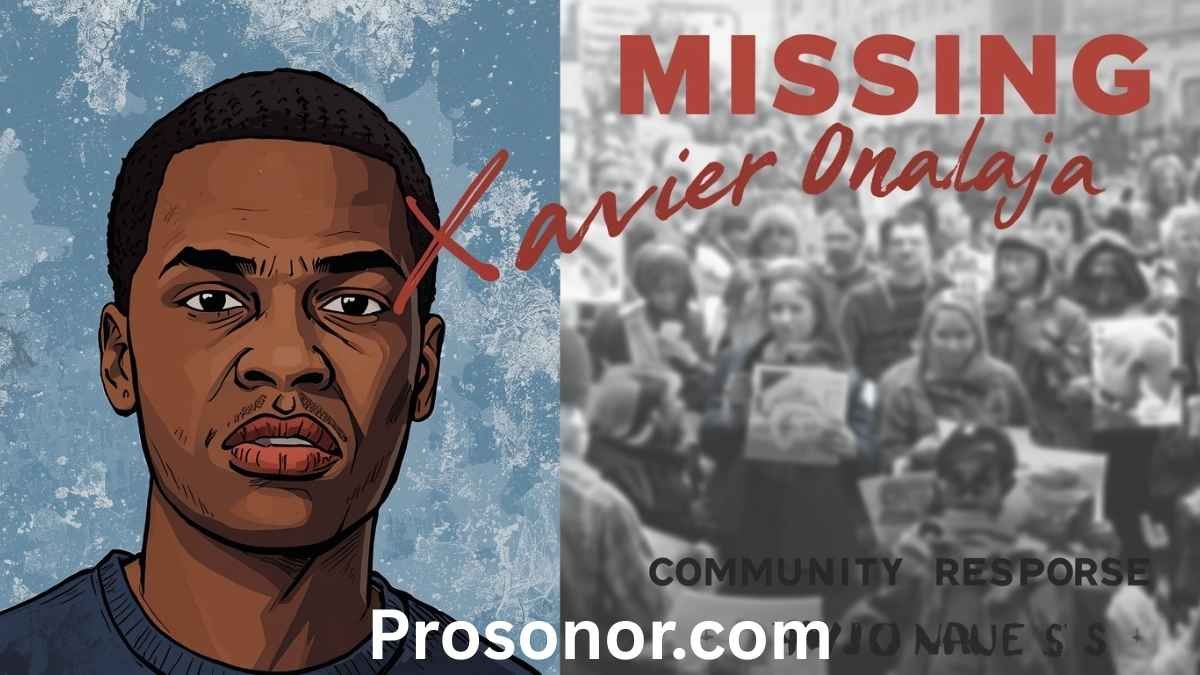
Introduction to the Xavier Onalaja Missing Case
The search for a missing person is always a deeply emotional and urgent situation. The case of has drawn attention from communities both locally and online, highlighting the seriousness of missing person investigations and the collective effort required to bring someone home safely.
When someone is reported missing, time becomes one of the most critical factors. Families experience fear, uncertainty, and emotional distress while authorities work quickly to gather information. In cases like Xavier Onalaja’s, awareness plays a powerful role in increasing the chances of a safe resolution.
This article explores what typically happens in missing person cases, how communities respond, the investigative process, and why public involvement is so important. While each case is unique, understanding the broader context can help people respond responsibly and effectively.
What Happens When Someone Is Reported Missing?
When a person is reported missing, authorities immediately begin assessing the situation. Contrary to common myths, there is no mandatory waiting period before filing a missing person report. Law enforcement agencies treat reports seriously from the start, especially when there are concerns about safety.
The first step usually involves gathering detailed information. Authorities ask about the individual’s last known location, clothing description, recent activities, and possible reasons for disappearance. In cases involving minors or vulnerable individuals, the response is typically even more urgent.
In situations like the Xavier Onalaja missing case, investigators may also examine phone records, social media activity, and surveillance footage. These digital traces often provide valuable clues. Modern technology has significantly improved the ability to track movements and reconstruct timelines.
The Emotional Impact on Families and Loved Ones
Behind every missing person case is a family living through unimaginable stress. The uncertainty can be overwhelming. Not knowing where a loved one is or whether they are safe creates intense emotional strain.
Families often become advocates, working tirelessly to raise awareness. They may share posts on social media, speak to local media outlets, and organize search efforts. Their goal is simple: to keep the person’s name visible and encourage anyone with information to come forward.
In the case of Xavier Onalaja missing, as with any missing individual, the emotional burden extends beyond immediate family. Friends, classmates, colleagues, and community members often feel deeply affected. Missing person cases remind us how interconnected our communities truly are.
The Role of Law Enforcement and Investigative Methods
Law enforcement agencies use structured investigative methods in missing person cases. They begin by determining whether the disappearance appears voluntary or suspicious. This assessment shapes the direction of the investigation.
Officers may conduct interviews with family, friends, and acquaintances. They also review CCTV footage from nearby locations and examine digital communications. In many cases, technology such as mobile phone tracking and data analysis plays a crucial role.
Search operations may also be organized. These can involve trained teams, volunteers, and sometimes specialized units such as search dogs or drones. The goal is to cover as much ground as possible while following credible leads.
The Power of Community Awareness
Community awareness can significantly impact missing person cases. Social media platforms have transformed how information spreads. A single post can reach thousands of people within minutes, increasing the likelihood that someone recognizes useful details.
When the name Xavier Onalaja missing begins circulating online, it prompts individuals to stay alert. People may recall sightings or conversations they previously dismissed as unimportant. Public awareness often generates new leads that assist investigators.
However, it is equally important for the public to share verified information only. Spreading rumors or unconfirmed details can complicate investigations. Responsible awareness supports law enforcement efforts rather than hindering them.
Media Coverage and Its Influence
Media coverage plays a major role in missing person cases. News outlets can amplify the story, ensuring that it reaches a broader audience. Increased visibility often encourages witnesses to come forward.
Journalists typically work closely with authorities and families to ensure information is accurate. In sensitive cases like Xavier Onalaja missing, ethical reporting is crucial. Media outlets must balance urgency with responsibility.
Digital media, including online news platforms and community forums, also contributes to awareness. The combination of traditional and digital media creates a powerful network for information sharing.
Common Reasons Behind Missing Person Cases
While every situation is unique, missing person cases often fall into certain categories. Some disappearances are voluntary, involving individuals who leave due to personal reasons. Others may involve mental health concerns or misunderstandings.
In more serious cases, foul play may be suspected. This possibility increases urgency and expands investigative efforts. Authorities must consider all possibilities while avoiding premature conclusions.
Understanding these general categories helps the public avoid assumptions. Each case, including Xavier Onalaja missing, deserves careful and thorough investigation without speculation.
How the Public Can Help Responsibly
The public plays an important role in supporting missing person investigations. The most effective way to help is by staying informed and sharing official information from reliable sources.
If someone believes they have relevant information, they should contact law enforcement directly rather than posting details online. Even small observations can be valuable when combined with other evidence.
Volunteering in organized search efforts, if requested by authorities, is another way to assist. Community cooperation strengthens investigative efforts and shows solidarity with affected families.
The Importance of Prevention and Awareness
While responding to missing person cases is critical, prevention is equally important. Communities can promote safety awareness through education and communication.
Parents and guardians can teach children about personal safety and maintaining communication. Adults can stay connected with friends and family, especially those who may be vulnerable.
Technology also offers preventive tools. Location-sharing apps and emergency contact systems can provide additional safety layers. While these tools are not foolproof, they enhance overall awareness.
Moving Forward with Hope and Responsibility
Missing person cases are challenging, but many are resolved successfully. Advances in technology, increased public awareness, and coordinated efforts have improved recovery rates significantly.
Hope remains essential. Families, investigators, and communities must continue working together. Every shared post, every reported sighting, and every responsible action contributes to the search effort.
The case of Xavier Onalaja missing serves as a reminder of how quickly lives can be disrupted and how important collective responsibility is. Staying informed, compassionate, and proactive makes a real difference.
Conclusion: Why Awareness Matters
The phrase “Xavier Onalaja missing” represents more than a search—it represents concern, urgency, and community involvement. Missing person cases demand immediate attention and coordinated effort.
By understanding how investigations work, recognizing the emotional impact on families, and sharing information responsibly, communities can support positive outcomes. Awareness, when handled carefully, is a powerful tool.
Ultimately, missing person cases remind us of the importance of connection and vigilance. Through cooperation, empathy, and responsible action, communities increase the chances of bringing individuals home safely and supporting those who are waiting for answers.
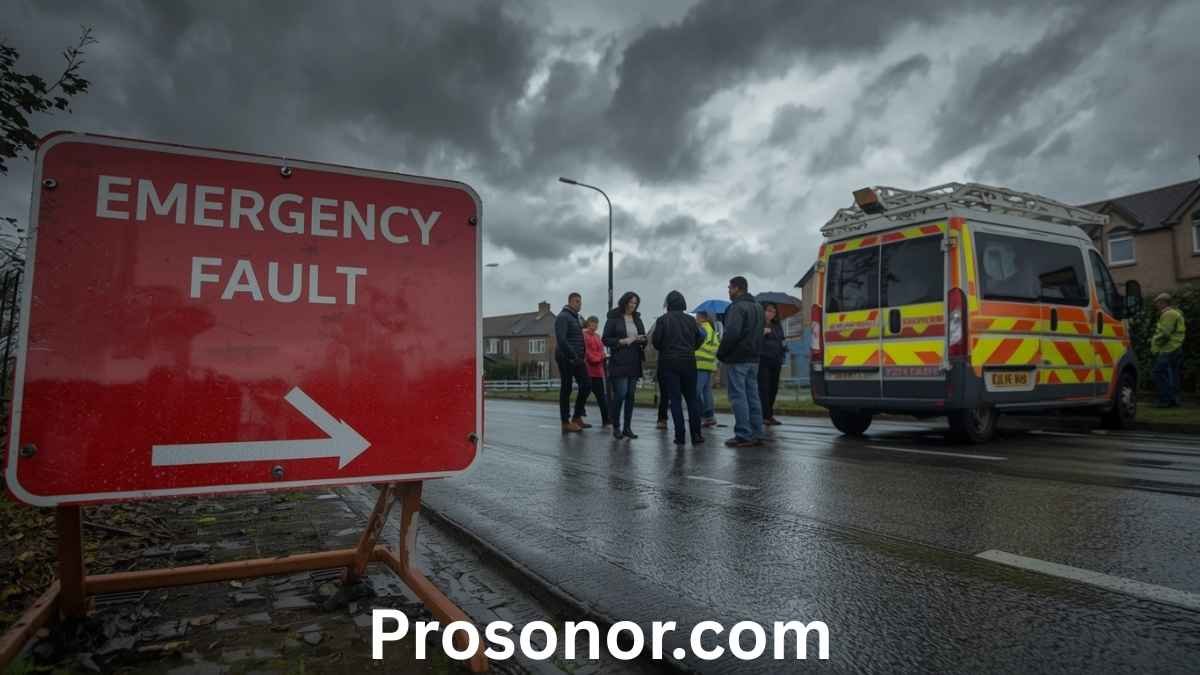
Introduction to the Arkleston Road Renfrew Emergency Fault
Infrastructure emergencies can disrupt daily life in ways most people never anticipate. The situation involving the emergency fault on in is one such example. When a fault occurs in a key utility system—whether electrical, water, gas, or telecommunications—it requires immediate attention to protect public safety and restore normal operations.
Emergency faults typically occur without warning. Residents and commuters may suddenly experience power outages, water interruptions, road closures, or reduced access to essential services. Because Arkleston Road serves as an important route within Renfrew, any fault affecting it can quickly become a major concern for both locals and authorities.
Understanding what an emergency fault is, why it happens, and how it is resolved helps residents stay informed and prepared. This article explores the nature of emergency faults, their causes, impacts, response processes, and what residents should expect when such incidents occur.
What Is an Emergency Fault?
An emergency fault refers to a sudden failure in a utility system or infrastructure that requires immediate repair. These faults are classified as emergencies because they can affect public safety, essential services, or transportation systems. They are treated with urgency to prevent further damage and restore normal operations.
Emergency faults can occur in various systems. Electrical faults may cause power outages, while water system faults can result in leaks or service interruptions. Gas faults are particularly serious because they can pose safety risks. Telecommunications faults can disrupt internet and phone connectivity, affecting communication.
In the case of Arkleston Road Renfrew, the emergency fault could involve any of these systems. Utility companies and local authorities typically work together to identify the issue and deploy repair teams quickly. Their goal is to minimize disruption and ensure public safety.
Common Causes of Emergency Faults
Emergency faults often result from aging infrastructure. Many utility systems were installed decades ago and may no longer meet modern demands. Over time, materials degrade, connections weaken, and systems become more vulnerable to failure.
Weather conditions also play a major role. Heavy rain, freezing temperatures, and storms can damage underground pipes, electrical lines, and road surfaces. Scotland’s climate, including areas like Renfrew, can contribute to these types of infrastructure challenges.
Accidental damage during construction is another common cause. When construction crews dig underground, they may unintentionally hit utility lines. Even a small mistake can cause significant service disruptions. This is why utility mapping and safety checks are essential during construction projects.
Immediate Impact on Residents and Businesses
When an emergency fault occurs on Arkleston Road, residents may experience immediate inconvenience. Power outages can disrupt household activities, while water faults can limit access to essential services like cooking and cleaning.
Businesses may also face operational challenges. Shops, offices, and restaurants depend on reliable utilities to serve customers. An unexpected fault can force temporary closures or reduced service, resulting in financial losses.
Transportation can also be affected. Repair work may require partial or complete road closures. This can lead to traffic congestion and delays. Commuters may need to find alternative routes until repairs are completed.
How Authorities Respond to Emergency Faults
Emergency faults are handled through a structured response process. Once a fault is reported or detected, utility companies send inspection teams to assess the situation. Their first priority is identifying the exact location and severity of the fault.
After assessment, repair crews are dispatched. These teams may need to dig underground, replace damaged components, or repair connections. Safety measures are implemented to protect workers and the public.
Local authorities often coordinate with utility companies. Traffic management systems may be put in place to redirect vehicles. Public updates may be shared through official announcements, helping residents stay informed.
Safety Measures During Emergency Repairs
Safety is the top priority during emergency fault repairs. Repair zones are usually marked with barriers, warning signs, and cones. These measures help prevent accidents and protect both workers and pedestrians.
Residents are advised to follow official instructions. This may include avoiding certain areas or reducing utility usage temporarily. Following these guidelines helps ensure repairs can be completed safely and efficiently.
Utility workers follow strict safety protocols. They wear protective equipment and use specialized tools to handle potentially dangerous situations. Their training ensures that repairs are carried out with minimal risk.
Duration and Restoration Timeline
The time required to fix an emergency fault varies depending on its severity. Minor faults may be resolved within a few hours, while major infrastructure damage could take several days.
Utility companies aim to restore services as quickly as possible. Temporary solutions may be used while permanent repairs are completed. This ensures that residents regain access to essential services sooner.
Communication is an important part of the restoration process. Residents are often informed about estimated repair times and progress updates. This transparency helps reduce uncertainty and frustration.
Preventing Future Emergency Faults
Preventive maintenance is essential for reducing the risk of emergency faults. Utility companies regularly inspect infrastructure to identify potential issues before they become emergencies.
Upgrading old systems is another important step. Modern materials and technology improve reliability and durability. Investing in infrastructure helps prevent future disruptions.
Community awareness also plays a role. Reporting unusual signs such as flickering lights, water leaks, or unusual smells can help authorities detect problems early. Early detection allows faster intervention and prevents larger issues.
The Role of Technology in Emergency Fault Management
Technology has improved how emergency faults are detected and repaired. Sensors can monitor infrastructure and alert authorities to potential issues before they escalate.
Digital mapping systems help repair teams locate underground utilities accurately. This reduces repair time and prevents accidental damage to other systems.
Communication technology also helps keep residents informed. Updates can be shared quickly through websites, social media, and mobile alerts. This ensures residents know what to expect during emergency repairs.
Community Cooperation and Support
Community cooperation is essential during emergency fault situations. Residents who follow safety instructions and remain patient help repair teams work more efficiently.
Neighbors often support each other during service disruptions. Sharing information and resources can make temporary inconveniences easier to manage.
Local authorities and utility providers rely on public cooperation. Together, they ensure that emergency situations are resolved quickly and safely.
Conclusion: Staying Informed and Prepared
The emergency fault on Arkleston Road Renfrew highlights the importance of reliable infrastructure and rapid response systems. While such faults can cause inconvenience, they are handled with urgency to protect public safety and restore normal conditions.
Understanding the causes, impacts, and repair process helps residents stay informed. It also encourages cooperation between the community and service providers.
Ultimately, emergency faults are a reminder of the complex systems that support daily life. With proper maintenance, modern technology, and community awareness, the impact of such faults can be minimized, ensuring safer and more reliable infrastructure for everyone.

Vedelklaas: The Complete Guide to Meaning Origins Uses and Modern Relevance

Libs3dclient for PSP Fix: Complete Expert Guide to Errors Causes and Proven Solutions

bigtech365.com: Your Complete Guide to Tech and Innovation AI

هنتاوي.com: A Guide to Safe and Responsible Online Browsing

HentaiHaven: Understanding the Platform Its History and Impact

Matteo Mantegazza: Career Background and Public Profiles
-

 Celebrity News1 week ago
Bella Thorne Disability: Understanding Her Health Journey and Advocacy
-

 Tech1 week ago
8093642079: Understanding Unknown Numbers Digital Identity and Modern Communication Safety
-

 Tech1 week ago
Döziv: Understanding the Unique Digital Keyword and Its Role in Online Culture
-

 General1 week ago
Blabladevava: The Rise of a Playful Yet Powerful Digital Identity
-

 Education1 week ago
Grammarsaurus: Revolutionizing Grammar Education for the Modern Classroom
-

 News1 week ago
Christopher Wooden: A Trusted Voice in Global Religious Journalism
-

 Tech5 days ago
Aimpcity: Exploring the Meaning Purpose and Growing Popularity of a Modern Digital Identity
-

 General7 days ago
Safetwear: The Essential Guide to Modern Safety Clothing and Workplace Protection