Social media
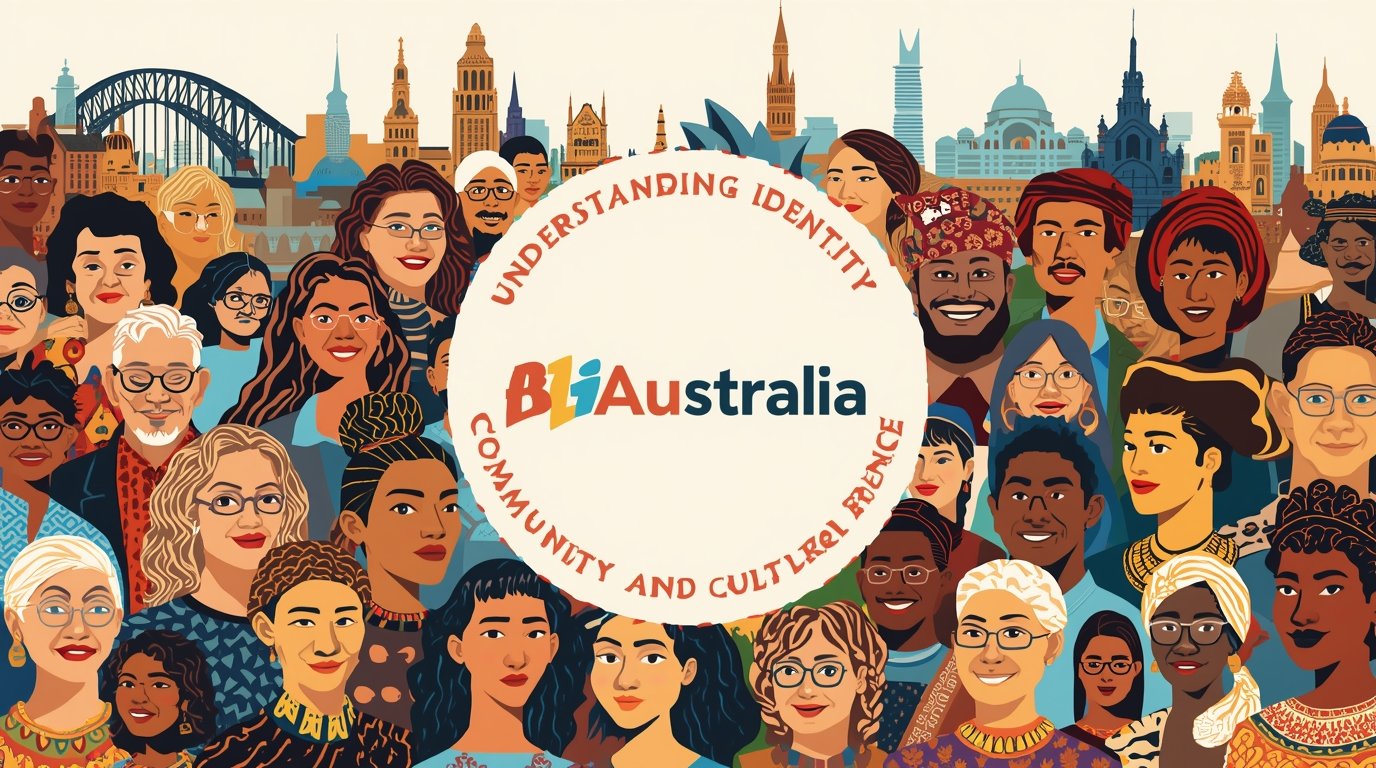
BIAustralia: Understanding Identity Community and Cultural Presence

Introduction to BIAustralia
The term BIAustralia is commonly used as a shorthand to describe bisexual identity, visibility, and community within the Australian context. Rather than pointing to a single organization or platform, BIAustralia represents a broader social and cultural space where bisexual people, allies, and advocates engage in conversation, activism, and everyday life. It reflects how bisexual identity exists and evolves within Australia’s diverse society.
In recent years, conversations around sexuality have become more open and nuanced, and BIAustralia fits naturally into that shift. People are moving beyond rigid labels and embracing identities that better reflect real human experiences. Bisexuality, in particular, challenges the idea that attraction must be limited to one gender, making it an important part of modern discussions around inclusion.
This article explores BIAustralia as a concept rather than a single entity. We’ll look at identity, representation, social challenges, community-building, and the future of bisexual visibility in Australia, all through an informed but relaxed, expert-style lens.
Understanding Bisexual Identity in the Australian Context
Bisexuality is defined as attraction to more than one gender, but how that attraction is experienced can vary widely from person to person. In Australia, bisexual individuals come from every background, age group, and cultural community, making BIAustralia a broad and inclusive umbrella rather than a narrow label.
One important aspect of bisexual identity is fluidity. Many people within BIAustralia describe their attraction as changing over time or expressing itself differently depending on emotional, social, or personal factors. This fluid nature can be empowering, but it can also lead to misunderstanding, especially in societies that prefer clear-cut categories.
In the Australian context, bisexual people often navigate both LGBTQ+ spaces and mainstream society. While Australia is generally seen as progressive, bisexual individuals may still feel pressure to “pick a side” or explain their identity repeatedly. Understanding this reality is key to appreciating what BIAustralia represents.
Visibility and Representation in Media and Culture
Media representation plays a major role in shaping public understanding, and BIAustralia has historically faced challenges in this area. Bisexual characters in Australian media have often been underrepresented or portrayed through stereotypes, such as being confused, indecisive, or overly sexualized.
In recent years, however, there has been noticeable progress. Australian television, film, and digital platforms are beginning to include more nuanced bisexual characters who are defined by their personalities and stories rather than just their sexuality. This shift helps normalize bisexual identity and provides relatable role models for younger audiences.
Cultural visibility goes beyond entertainment. Public conversations, podcasts, social media creators, and community-led storytelling have all contributed to strengthening BIAustralia’s presence. When people see their experiences reflected accurately, it reinforces a sense of belonging and legitimacy.
Social Challenges Faced by the BIAustralia Community
Despite growing acceptance, bisexual individuals in Australia still face unique social challenges. One of the most common is bi-erasure, where bisexuality is ignored or dismissed as a “phase.” This can happen in both heterosexual and LGBTQ+ spaces, making it particularly isolating.
Another challenge is the assumption that bisexual people experience less discrimination because they may appear to fit into heterosexual relationships. In reality, this invisibility can invalidate their identity and discourage them from seeking support or speaking openly about their experiences.
Mental health is also an important issue within BIAustralia. Studies and community reports often show higher levels of anxiety, depression, and stress among bisexual individuals compared to some other groups. These challenges highlight the importance of inclusive support systems and informed conversations.
Community, Support, and Connection
Community-building is a central part of BIAustralia. Feeling understood and supported can make a significant difference in how individuals navigate their identity. Across Australia, both formal and informal networks provide spaces for bisexual people to connect, share experiences, and support one another.
These communities exist in many forms, from local meetups and university groups to online forums and social media spaces. For some, digital platforms offer a safer and more accessible way to explore identity, especially in regional or rural areas where in-person resources may be limited.
What makes BIAustralia communities particularly valuable is their emphasis on validation. Being in a space where bisexuality is not questioned or minimized allows individuals to express themselves authentically and build confidence in who they are.
BIAustralia and Intersectionality
Bisexual identity does not exist in isolation. Within BIAustralia, people also navigate factors such as race, gender identity, disability, religion, and socioeconomic background. Intersectionality helps explain why experiences within the community can differ so widely.
For example, a bisexual person from a culturally diverse background may face different pressures than someone from a more openly progressive environment. Similarly, bisexual people who are also transgender or non-binary may experience layered forms of misunderstanding or exclusion.
Recognizing intersectionality strengthens BIAustralia as a whole. It encourages more inclusive conversations and ensures that support systems do not cater to only one type of experience. An expert understanding of bisexual identity must always account for these overlapping realities.
Education and Awareness in Australian Society
Education plays a key role in shaping how bisexuality is understood. In Australia, conversations around sexuality and gender are increasingly included in schools, workplaces, and public discourse, but bisexuality is still sometimes overlooked or oversimplified.
Clear, accurate education helps dismantle myths, such as the idea that bisexual people are indecisive or inherently unfaithful. By addressing these misconceptions early, society becomes more equipped to support bisexual individuals without judgment.
BIAustralia benefits greatly from open dialogue. Workshops, awareness campaigns, and inclusive policies all contribute to creating environments where bisexual people feel safe being open about their identity without fear of stigma or misunderstanding.
The Future of BIAustralia
Looking ahead, the future of BIAustralia appears increasingly hopeful. Younger generations tend to view sexuality as more fluid and less constrained by labels, which aligns naturally with bisexual identity. This cultural shift supports greater acceptance and visibility.
Technology will continue to play a role in shaping community and advocacy. Online spaces allow bisexual voices from across Australia to connect, collaborate, and influence broader conversations around inclusion and equality.
Ultimately, the growth of BIAustralia depends on continued empathy, education, and representation. Progress is not just about visibility, but about understanding bisexual identity as a valid and complete experience in its own right.
Conclusion: Why BIAustralia Matters
BIAustralia represents more than a demographic—it represents lived experiences, evolving identities, and a growing demand for understanding and respect. Bisexual people have always existed in Australia, but naming and acknowledging that presence gives it power.
By examining identity, challenges, community, and future possibilities, it becomes clear that bisexual visibility is not a niche issue. It is part of a broader movement toward recognizing human diversity in all its forms.
When society embraces concepts like BIAustralia with openness and care, everyone benefits. Inclusion creates healthier communities, stronger connections, and a culture where people are free to be themselves without explanation or apology.

Introduction
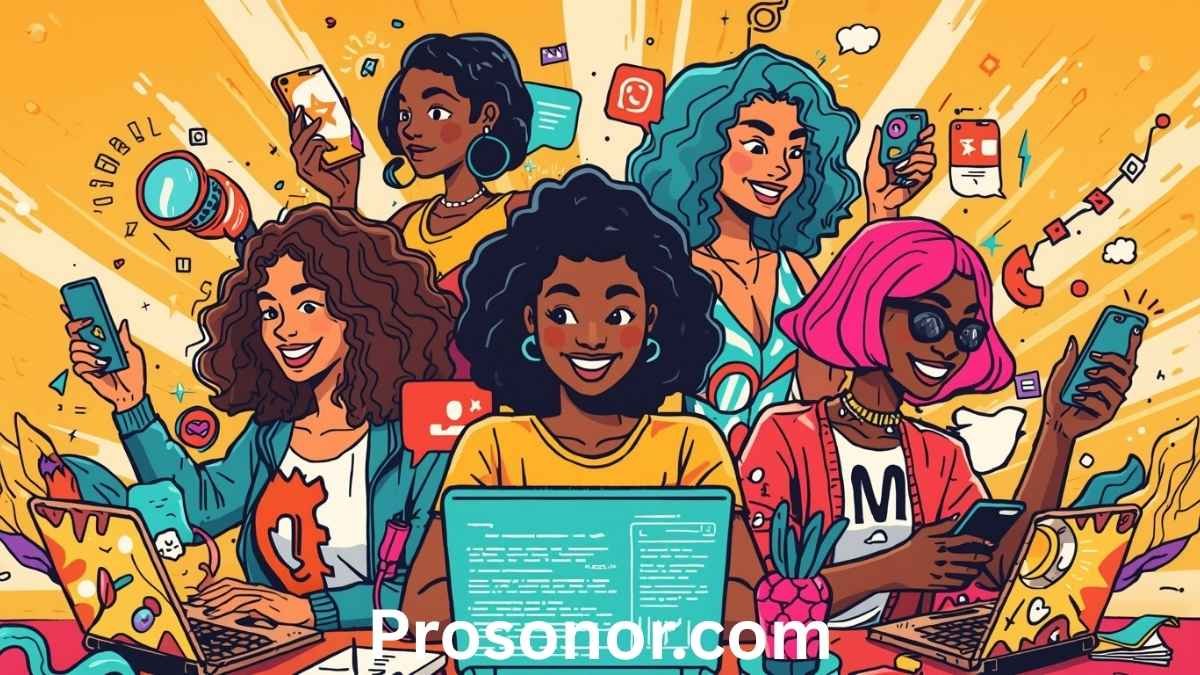
The internet has transformed the way people communicate, share ideas, and build careers. Over the past decade, a new generation of digital personalities has emerged, and many people casually refer to influential female creators as internet chicks. While the phrase is informal, it usually refers to women who have built strong online identities through social media, content creation, and digital entrepreneurship.
These creators appear across major platforms like , , , and . Through these platforms, they share everything from lifestyle content and fashion tips to gaming streams, educational videos, and business advice. What once started as casual posting has evolved into a powerful career path for many women around the world.
In this article, we will explore what people mean by the term “internet chicks,” how female creators have shaped digital culture, and why their influence continues to grow in the modern online landscape.
The Evolution of Female Voices on the Internet
The early days of the internet were dominated mostly by forums, blogs, and niche websites. Over time, social media platforms made it easier for individuals to build audiences and share their voices with the world. This shift opened the door for women to create communities, build brands, and become influential digital personalities.
Many female creators began by sharing personal experiences or creative ideas. Some focused on fashion, makeup tutorials, or lifestyle advice, while others explored topics like fitness, travel, technology, and education. As their audiences grew, these creators began to influence trends and conversations online.
The term “internet chicks” sometimes appears in casual discussions to describe these female online personalities. However, behind the informal label are talented creators who spend countless hours producing content, interacting with followers, and managing their digital platforms.
Today, female creators play a major role in shaping the online world, inspiring millions of people through creativity, storytelling, and innovation.
Social Media Platforms That Amplified Female Creators
The growth of social media has been one of the biggest factors behind the rise of online female influencers. Platforms like helped creators share visual content, including photography, fashion, and lifestyle posts.
Later, platforms such as introduced short-form video content that allowed creators to reach massive audiences quickly. Creative storytelling, humor, and relatable experiences became powerful tools for building online communities.
Video platforms like have also played a major role in empowering women to become content creators. Many successful YouTubers have built careers around tutorials, product reviews, personal vlogs, and educational content.
Meanwhile, live streaming platforms such as created new opportunities for women in gaming and entertainment. Female streamers now host live shows, interact with fans in real time, and develop loyal audiences around their personalities and expertise.
The Influence of Female Digital Creators
Female creators have had a significant influence on internet culture. Through their content, they introduce new trends, promote brands, and shape conversations across social media.
For example, fashion influencers often introduce new styles that quickly become global trends. Beauty creators share makeup techniques and skincare advice that millions of viewers follow. Fitness influencers inspire audiences to adopt healthier lifestyles.
Beyond lifestyle content, many female creators also focus on important topics such as mental health, self-confidence, education, and career development. Their openness and authenticity help followers feel connected and understood.
The influence of these creators extends far beyond entertainment. In many cases, they inspire people to pursue creative passions, start businesses, or build their own online platforms.
Digital Entrepreneurship and Online Careers
What began as a hobby for many creators has evolved into a full-time career. Today, many female influencers earn income through partnerships, brand collaborations, digital products, and advertising.
Companies often collaborate with online creators because their audiences trust their recommendations. This form of marketing, known as influencer marketing, has become a major part of modern advertising.
Female digital creators also launch their own brands, including clothing lines, beauty products, fitness programs, and online courses. By building loyal communities, they can turn their platforms into successful businesses.
This entrepreneurial path shows how the internet has created new career opportunities that did not exist a generation ago. Many creators now combine creativity with business skills to build sustainable online careers.
Challenges Faced by Women in the Online Space
Despite their success, female creators often face unique challenges in the digital world. Online platforms can expose creators to criticism, negative comments, and sometimes harassment.
Managing public attention can also be stressful. As audiences grow, creators must balance content production, brand relationships, and personal privacy. This can make maintaining a healthy work-life balance more difficult.
Another challenge involves online stereotypes. Labels like “internet chicks” may sometimes underestimate the professionalism and effort behind digital content creation. Producing quality videos, photography, or written content requires creativity, technical skills, and significant time investment.
Fortunately, many creators have become advocates for positive online communities, encouraging respect and constructive conversations across social media platforms.
Building Positive Online Communities
One of the most powerful aspects of digital platforms is the ability to build supportive communities. Female creators often cultivate audiences that share common interests, values, and goals.
These communities can provide motivation, friendship, and inspiration. Followers interact with creators through comments, messages, and live streams, creating meaningful connections.
Many creators also use their platforms to promote important social messages. Topics such as self-acceptance, diversity, and mental health awareness are frequently discussed within online communities.
By encouraging respectful communication and positive engagement, female creators help shape healthier digital environments for their audiences.
The Future of Female Influence on the Internet
The future looks incredibly promising for women in the digital content space. As technology continues to evolve, new platforms and tools will create even more opportunities for creators to share their ideas and connect with audiences.
Emerging technologies such as virtual reality, interactive media, and artificial intelligence may change how content is created and experienced online. Female creators are likely to play an important role in shaping these new digital experiences.
Education and digital literacy are also helping more women develop skills in video production, graphic design, coding, and online marketing. These skills empower creators to expand their influence and build stronger digital brands.
As the internet continues to grow, the contributions of female creators will remain a key part of online culture.
Final Thoughts
The phrase “internet chicks” might sound casual, but it represents a much larger movement of women who are transforming the digital world. Through creativity, entrepreneurship, and community building, female creators have become powerful voices in online culture.
Platforms like , , , and have given women the tools to reach global audiences and build successful careers.
While challenges still exist, the influence of female creators continues to grow every year. Their stories demonstrate how the internet can empower individuals to express themselves, inspire others, and build meaningful connections.
As digital platforms evolve, one thing is clear: women will continue to play a major role in shaping the future of online culture and creativity.
Introduction to axjk8 Reddit
The keyword axjk8 reddit has recently caught the attention of internet users who are curious about mysterious usernames, hidden online identities, and unique digital discussions. Many people search for unusual terms like this because they encounter them in forums, comments, or niche online communities. These keywords often represent usernames, anonymous profiles, or specific threads that become popular due to curiosity, controversy, or useful information.
On , millions of users interact daily through posts, comments, and discussions covering almost every topic imaginable. Reddit is structured into communities called subreddits, where users share ideas, ask questions, and exchange knowledge. When a term like “axjk8” appears, it often refers to a username, post identifier, or discussion topic within these communities.
Understanding “axjk8 reddit” requires looking deeper into how Reddit works and why certain usernames or topics gain attention. Sometimes these keywords become trending due to viral posts, interesting content, or mysterious activity that sparks user curiosity. This guide will explain everything you need to know about axjk8 reddit in a clear, expert, and easy-to-understand way.
What Is axjk8 Reddit?
The term “axjk8 reddit” most commonly refers to a username or user identity associated with Reddit discussions. Reddit usernames can be random, creative, or generated automatically. Many users choose anonymous or unique names to protect their identity while participating freely in discussions.
Usernames like axjk8 often appear unusual because they may consist of random letters and numbers. This is common among users who prioritize privacy or do not want their real identity connected to their online activities. These usernames can still build strong reputations if they share valuable or interesting content.
In some cases, axjk8 may also refer to a specific thread, comment, or reference code linked to Reddit activity. Reddit assigns unique identifiers to posts and discussions, and sometimes users refer to them indirectly using usernames or shorthand terms. This contributes to the mystery and curiosity surrounding such keywords.
Why Is axjk8 Reddit Gaining Attention?
One of the main reasons axjk8 reddit is gaining attention is due to user curiosity. Internet users naturally become interested in unfamiliar usernames or trending discussions. When people see a unique name appearing frequently in conversations, they often search for its meaning and origin.
Another reason is the viral nature of Reddit content. A single post can attract thousands of views, comments, and shares. If axjk8 is associated with a viral post, helpful information, or controversial opinion, it can quickly become popular across different online platforms.
Additionally, niche communities often create inside references. These references may include usernames, jokes, or specific contributors who regularly share content. Over time, these names gain recognition within the community and even outside it.
How Reddit Usernames Like axjk8 Work
Reddit allows users to create usernames freely when signing up. These usernames serve as their identity across all Reddit communities. Once chosen, usernames cannot be changed, making them a permanent part of a user’s online presence.
Some usernames are meaningful and reflect personal interests, hobbies, or personality traits. Others, like axjk8, may be random combinations of letters and numbers. These random names are often chosen for anonymity, convenience, or availability.
Despite appearing random, usernames can still build credibility. Reddit users gain reputation through karma points, which increase when others upvote their posts and comments. A user like axjk8 can become respected if they consistently share valuable or helpful content.
The Role of Anonymous Identities on Reddit
Anonymity is one of Reddit’s defining features. Unlike many social media platforms, Reddit does not require users to use their real names. This allows people to express opinions freely without fear of judgment or personal consequences.
Usernames like axjk8 represent this anonymous culture. Users can participate in discussions about sensitive topics such as mental health, personal experiences, or controversial opinions. This anonymity encourages honesty and open communication.
However, anonymity also has challenges. Some users misuse it to spread misinformation or engage in harmful behavior. That is why Reddit uses moderation systems and community rules to maintain a safe environment.
How to Find Information About axjk8 on Reddit
If you want to learn more about axjk8 reddit, the best approach is to search directly on Reddit. You can use the search bar to look for the username axjk8 and view their posts, comments, and activity history.
When viewing a Reddit profile, you can see their karma score, communities they participate in, and content they share. This helps you understand their interests and reputation within Reddit.
You can also use external search engines to find references to axjk8 reddit. Sometimes usernames appear in blogs, discussions, or online articles, providing additional context.
Possible Reasons for Random Usernames Like axjk8
There are several reasons why users choose random usernames like axjk8. One of the most common reasons is privacy protection. Random usernames make it difficult to identify the real person behind the account.
Another reason is availability. Many common usernames are already taken, so users create unique combinations of letters and numbers to ensure availability. This often results in names that appear random or meaningless.
Some users also prefer simple or quick usernames without spending time creating something meaningful. They may use automatically generated names suggested during registration.
The Importance of Reddit Communities in Spreading Keywords
Reddit communities, known as subreddits, play a major role in spreading keywords like axjk8. Each subreddit focuses on a specific topic such as technology, gaming, entertainment, or news.
If a user like axjk8 becomes active in popular communities, their username can gain visibility quickly. Other users may mention them in discussions, increasing curiosity and searches.
Communities also preserve discussions permanently, allowing users to discover usernames and content even years later. This long-term visibility contributes to the popularity of certain usernames.
How axjk8 Reddit Reflects Modern Internet Culture
The keyword axjk8 reddit represents a larger trend in modern internet culture. Today, online identity is often separate from real-world identity. Users create digital personas that exist only online.
These personas can build reputation, influence discussions, and contribute to online knowledge. Even anonymous users can become trusted sources of information.
This reflects the evolving nature of communication in the digital age. People value privacy while still participating actively in online communities.
Safety and Privacy Considerations When Exploring Reddit Users
When searching for usernames like axjk8 reddit, it is important to respect privacy. Reddit is designed to protect user anonymity, and attempting to reveal personal information violates platform rules.
Users should focus on publicly available content such as posts and comments. This ensures ethical and respectful use of the platform.
It is also important to verify information. Not all Reddit content is accurate, so users should cross-check important details with reliable sources.
How Keywords Like axjk8 Become Search Trends
Keywords like axjk8 reddit often become search trends due to curiosity, viral content, or online discussions. Once users start searching for a term, search engines recognize the increased interest.
This leads to more visibility and further searches, creating a cycle of popularity. Even random usernames can become widely searched due to this effect.
Search trends reflect user behavior and interests, showing how online discussions influence internet activity.
The Future of Anonymous Usernames Like axjk8
Anonymous usernames will continue to play a major role in online communities. As privacy concerns grow, more users prefer anonymous identities.
Platforms like Reddit support this trend by allowing users to participate freely without revealing personal information.
Usernames like axjk8 represent the future of digital identity, where individuals can share ideas while maintaining privacy.
Conclusion
The keyword “axjk8 reddit” highlights the unique and anonymous nature of online communities. While it may appear mysterious, it most likely refers to a Reddit username or online identity. Reddit’s anonymous structure allows users to create unique names, share ideas, and build reputation without revealing personal details.
Usernames like axjk8 reflect modern internet culture, where privacy and digital identity are highly valued. These usernames can gain popularity through viral content, active participation, or community recognition.
Understanding axjk8 reddit helps users better understand how Reddit works and how online identities develop. As Reddit continues to grow, anonymous usernames will remain an important part of its community and digital culture.
FAQs About axjk8 Reddit
What does axjk8 mean on Reddit?
Axjk8 most likely refers to a Reddit username or anonymous user identity. It does not necessarily have a specific meaning and may be randomly created.
Is axjk8 a real person?
Axjk8 represents an online account. The real identity behind it is usually private, as Reddit allows anonymous participation.
Why do Reddit usernames look random like axjk8?
Many users choose random usernames for privacy, availability, or convenience.
Can I view axjk8’s Reddit posts?
Yes, if the account exists, you can search the username on Reddit and view publicly available posts and comments.
Is it safe to interact with anonymous Reddit users?
Yes, but users should always be cautious and avoid sharing personal information with strangers online.
Introduction
The keyword yanixblessed erome has recently gained attention among internet users who are curious about online creators and the platforms they use to share content. As digital platforms continue to expand, creators are building unique identities across multiple websites, each serving different purposes. Yanixblessed appears to be one such online personality whose name has become associated with content-sharing platforms and growing online visibility.
In today’s internet culture, creators often use multiple platforms to reach different audiences. Some platforms focus on short videos, while others specialize in image hosting or exclusive content sharing. Erome is one such platform that allows users to upload and share media, making it a part of the broader creator ecosystem.
This article explores who Yanixblessed is, what Erome is, how creators use platforms like it, and why names like Yanixblessed are becoming increasingly searched online. By understanding these elements, you can better appreciate how digital identity works in the modern internet landscape.
Who Is Yanixblessed and Why Is the Name Trending?
Yanixblessed appears to be an online username associated with a content creator who has gained attention across various internet platforms. Usernames like this often represent a personal brand rather than a real name. This branding helps creators build a unique identity that followers can easily recognize and remember.
One of the main reasons the name Yanixblessed is trending is due to increased searches and online curiosity. When a creator begins to attract followers, people naturally want to learn more about their content, background, and platform presence. This search behavior is common and reflects the growing influence of online personalities.
Another factor contributing to the popularity of names like Yanixblessed is cross-platform visibility. Creators often share content across multiple services, including and . This multi-platform approach increases exposure and encourages users to search for the creator on other websites, including media-sharing platforms like Erome.
What Is Erome and How Does It Work?
is an online platform designed for uploading and sharing images and videos. It allows users to create profiles, upload content, and share it either publicly or privately. The platform is known for its simple interface and flexible sharing options.
One of the key features of Erome is its accessibility. Users can upload content without complicated restrictions, which makes it attractive to independent creators. This freedom allows creators to share content directly with their audience without relying entirely on mainstream platforms.
Another important aspect is anonymity and privacy control. Users can decide what information they want to reveal and what they want to keep private. This flexibility helps creators maintain personal boundaries while still building an online presence.
Why Creators Use Platforms Like Erome
Creators use platforms like Erome for several strategic reasons. One major reason is content control. Unlike some mainstream social media platforms that have strict content policies, alternative platforms often offer more flexibility in what creators can share.
Another reason is audience targeting. Creators may use different platforms to reach different types of audiences. For example, they might use for public videos and Erome for more specialized content. This allows creators to organize their content effectively and serve specific audience interests.
Additionally, platforms like Erome can help creators expand their brand. By maintaining a presence across multiple websites, creators increase their visibility and reach. This multi-platform strategy is essential for building a strong digital identity.
The Importance of Digital Identity for Online Creators
Digital identity plays a crucial role in the success of modern creators. A username like Yanixblessed becomes more than just a name—it becomes a brand. Followers recognize the username and associate it with certain types of content, personality traits, or creative styles.
Consistency is key to building a strong digital identity. Creators who use the same username across multiple platforms make it easier for followers to find and follow them. This consistency strengthens brand recognition and increases audience loyalty.
Another important factor is engagement. Creators who interact with their followers build stronger relationships. This engagement encourages followers to stay connected and continue supporting the creator across different platforms.
Why People Search for Yanixblessed Erome
There are several reasons why users search for “yanixblessed erome.” One of the most common reasons is curiosity. When people discover a creator, they often want to explore all platforms where the creator shares content.
Another reason is content discovery. Followers may want to see additional media that is not available on mainstream platforms. Alternative platforms sometimes offer exclusive or different types of content, which increases interest.
Search behavior is also influenced by social media sharing. When usernames like Yanixblessed appear in discussions, forums, or social media posts, it encourages others to search for more information. This organic growth contributes to the creator’s rising popularity.
Privacy and Safety in Online Content Sharing
Privacy is an essential consideration for both creators and viewers. Creators must decide how much personal information to share and how much to keep private. This decision helps protect their identity and personal safety.
Platforms like Erome provide tools that allow users to control their content visibility. This includes options to share content publicly, privately, or with selected viewers. These features give creators flexibility and control over their digital presence.
Viewers also have a responsibility to respect creators’ privacy. Supporting creators ethically and respecting their boundaries helps maintain a healthy online environment.
The Growing Influence of Independent Content Creators
Independent creators are becoming increasingly influential in the digital world. Platforms like Erome provide opportunities for creators to share content without relying entirely on traditional media channels.
This shift has empowered individuals to build their own brands and reach global audiences. Creators can now connect directly with followers, share their work, and build communities around their content.
Yanixblessed represents this new generation of creators who use multiple platforms to establish their presence and grow their audience.
The Future of Platforms Like Erome and Creator Culture
The future of digital content creation looks promising. As technology continues to evolve, more platforms will emerge to support independent creators. These platforms will offer new tools, features, and opportunities for content sharing.
Creators will continue to use multiple platforms to maximize their reach. This strategy helps them build stronger brands and connect with diverse audiences.
Usernames like Yanixblessed will continue to gain recognition as creators expand their digital presence. Their success reflects the growing importance of online identity in modern internet culture.
Conclusion: Understanding Yanixblessed Erome and Its Online Significance
The keyword “yanixblessed erome” reflects the growing interest in online creators and the platforms they use. Yanixblessed appears to be part of the modern creator ecosystem, where digital identity, platform strategy, and audience engagement play key roles.
Platforms like Erome provide creators with new opportunities to share content, build brands, and connect with followers. This flexibility has transformed how content is created and shared online.
As the internet continues to evolve, creators like Yanixblessed will remain an important part of digital culture. Their presence highlights the power of personal branding, platform diversity, and audience connection in the digital age.

Microsoft Dynamics Implementation Services for Digital Business Growth in UAE

Eclipse Blinds: Transforming Homes with Stylish Window Treatments in Knoxville TN

The Variable Sample Size Problem: Why RADV Audits Are Harder to Predict Than Ever

هنتاوي.com: A Guide to Safe and Responsible Online Browsing

How to buy Steroids with Credit Card?
