
Home
Does ECO4 Include Heat Pumps?

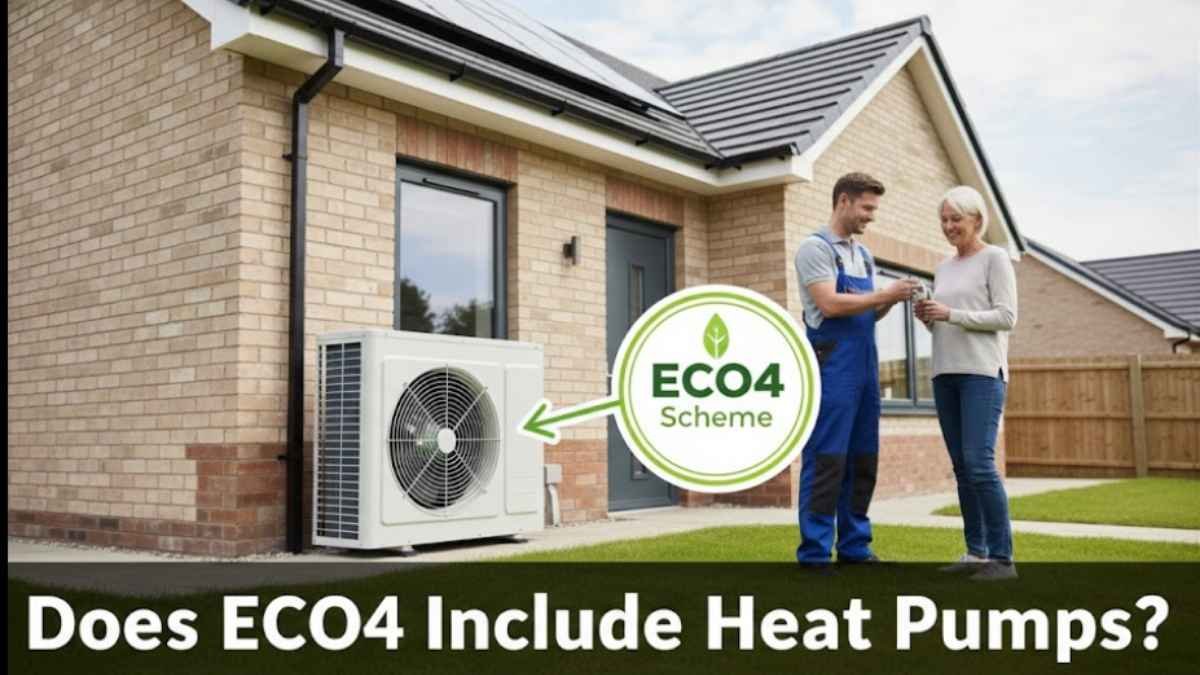
The UK government has taken many steps to reduce carbon emissions and help people save money on energy. One of the most important programs supporting this goal is the ECO4 Scheme.
It helps low-income households improve their home’s energy efficiency. But one of the big questions people ask is, “Does ECO4 include heat pumps?”
In this blog, we’ll explore everything about the ECO4 Scheme and find out if heat pumps are part of it. We’ll also explain how heat pumps work, why they matter, and how people can apply for the ECO4 support.
If you’re considering a greener alternative to your current heating system, it’s also worth learning about air source heat pump grants UK residents can access to cut costs and improve home efficiency.
What Is the ECO4 Scheme?
ECO4 stands for Energy Company Obligation Phase 4. It is the latest phase of a government-backed plan that started in 2013. This scheme requires large energy companies to fund energy-saving upgrades in homes. The aim is to help low-income families reduce their heating bills and cut carbon emissions.
The ECO4 Scheme started in April 2022 and will run until March 2026. It replaces the older ECO3 scheme and brings some changes to the types of support available. It mainly targets homes with poor energy performance, especially those with an Energy Performance Certificate (EPC) rating of D, E, F, or G.
Does the ECO4 Scheme Include Heat Pumps?
Yes, the ECO4 Scheme includes heat pumps. The government has made it clear that heat pumps are part of the energy-efficient measures supported under ECO4. This is a big step forward because heat pumps are known to be clean and cost-effective alternatives to gas boilers.
Heat pumps are seen as a vital part of the UK’s plan to reach net zero carbon emissions by 2050. That’s why the government is encouraging their use through different support programs, including ECO4.
Under ECO4, homeowners or tenants who qualify can get a free or heavily subsidized heat pump system, depending on their eligibility and the condition of their home.
What Are Heat Pumps and How Do They Work?
A heat pump is a device that moves heat from one place to another. It doesn’t create heat like a boiler. Instead, it transfers existing heat from the air, ground, or water into your home.
There are mainly two types of heat pumps supported under the ECO4 Scheme:
Air Source Heat Pumps (ASHP) take heat from the outside air and use it to warm up your home and hot water. They work even when it’s cold outside, as low as -15°C.
Ground Source Heat Pumps (GSHP) take heat from the ground using pipes buried in your garden. These are more efficient but also more costly to install.
Heat pumps use electricity to run, but they are very efficient. For every unit of electricity they use, they can produce three or more units of heat. This makes them a much greener option than gas or oil heating systems.
Why Are Heat Pumps Part of the ECO4 Scheme?
The main goal of the ECO4 Scheme is to improve home energy efficiency and reduce carbon emissions. Heat pumps fit perfectly into this plan because they do both.
Gas boilers, which are common in UK homes, produce carbon dioxide. Heat pumps, on the other hand, don’t produce any direct emissions. When powered by renewable electricity, they are nearly carbon-free.
Installing heat pumps also helps reduce energy bills in the long run. Even though the upfront cost can be high, government schemes like ECO4 help cover those costs. Over time, heat pumps can save homeowners hundreds of pounds every year.
Who Can Get a Heat Pump Under the ECO4 Scheme?
Not everyone can get a heat pump under ECO4. The scheme is designed to help the most vulnerable households. Here’s who can benefit:
- People receiving certain benefits like Income Support, Housing Benefit, Universal Credit, and others.
- Households with low income (usually under £31,000 per year).
- Homes with poor EPC ratings (D, E, F, or G).
- Tenants in private rented homes may qualify, but landlords need to approve the installation.
An energy assessment is usually required before approval. This helps check the current condition of your home and see what upgrades are possible.
If your home is suitable for a heat pump and you meet the criteria, the ECO4 Scheme may cover the full cost of supply and installation.
What Happens During the Installation?
If you qualify for a heat pump under the ECO4 Scheme, here’s what usually happens:
First, an energy assessment will be done. This shows the current state of your home’s insulation, heating system, and energy rating.
Next, a home survey will be carried out by an approved installer. They check where the heat pump can go, how the system will connect, and what upgrades may be needed (like better insulation).
After the survey, you’ll be given a proposal. If everything is approved, the installation team will install the heat pump. This may take a few days, depending on the type of heat pump.
Once installed, the system will be tested and adjusted. You’ll also be shown how to use it.
What Other Measures Are Included in ECO4?
Besides heat pumps, the ECO4 Scheme includes many other energy-saving upgrades. These may be installed along with a heat pump to improve overall performance.
Here are some of the upgrades commonly offered:
- Loft insulation to stop heat from escaping through the roof.
- Cavity wall insulation to improve heat retention.
- Solid wall insulation for older buildings with no cavity.
- Room-in-roof insulation for converted loft spaces.
- Smart heating controls to better manage heat use.
- Solar panels for renewable energy production.
These upgrades make your home warmer, cheaper to run, and more eco-friendly. Often, a heat pump works best when the home is already well insulated.
How to Apply for a Heat Pump Under ECO4?
Applying for support under the ECO4 Scheme is easy. You can either apply directly through the government’s website or go through approved ECO4 installers.
Here are the basic steps:
- Check your eligibility. Use online tools or contact an installer to see if you qualify.
- Book a free home assessment. This will check your home’s current condition.
- Get a proposal. If you’re eligible, you’ll be told what upgrades are available.
- Agree to the work. The installer will schedule the upgrades.
- Enjoy your new heating system. Once installed, your heat pump will start saving energy and money.
It’s important to use only approved and trusted installers to ensure the work is high quality and the funding is applied correctly.
Is It Worth Getting a Heat Pump?
For many homes, getting a heat pump under the ECO4 Scheme is a great deal. If you qualify, you can get a modern, low-cost, and eco-friendly heating system for little to no cost.
Heat pumps are not only cleaner but also more stable in energy pricing. Since they run on electricity, and electricity is increasingly coming from renewable sources, your heating costs are less tied to gas prices.
Also, homes with heat pumps often have higher property values because they are future-proof and cheaper to run.
Challenges and Considerations
While the benefits are strong, there are some things to keep in mind.
- Heat pumps may not work well in poorly insulated homes. That’s why insulation is often upgraded first.
- They may not produce heat as fast as gas boilers, so homes need to be warm and airtight.
- Some homes may need larger radiators or underfloor heating to work well with a heat pump.
Still, for most homes, these upgrades are part of the full ECO4 package. So, homeowners don’t need to worry about extra costs.
Final Thoughts
So, does ECO4 include heat pumps? Yes, it absolutely does. The ECO4 Scheme is one of the best ways for low-income households to access Heat Pump Grants to get a free or low-cost unit installed.
By making homes warmer, greener, and cheaper to heat, heat pumps play a key role in the UK’s move towards a low-carbon future. If you meet the eligibility criteria, now is a great time to take advantage of this opportunity.
The ECO4 Scheme not only supports heat pump installation but also includes other important upgrades that make your home more energy efficient overall. And if you’re wondering what the EPC rating of an air source heat pump is, it’s typically high due to its excellent efficiency, making it even more attractive under government schemes.
If you’re thinking about upgrading your home heating system, check if you qualify for the ECO4 Scheme today. It could save you money, make your home more comfortable, and help protect the planet.

South Tampa real estate is unique. It’s a tough market. Homes with excellent curb appeal sell fast. Even the streets look fresh and sharp. How about your yard? You must either keep up or stand out for the wrong reasons.
You need a yard that feels refreshed, attractive, and beautiful. Many homeowners think that they need professional help to transform their lawn. But the truth is, all you need are some great South Tampa landscaping ideas. In this post, we will explore how you can change your outdoor space and enhance curb appeal. Let’s get started!
Why South Tampa Landscaping Matters
That’s an important question. Why should you bother with landscaping? Why don’t you just leave it there? It’s just grass and plants. Unfortunately, it’s not that simple because your yard is the first thing people see. From potential buyers to neighbors, they all judge your house with the yard before they even walk inside.
Great South Tampa landscaping can:
- Boost your home’s value
- Make your yard feel bigger and calmer
- Cut down on heat, noise, and chaos
- Give you a place to relax instead of just “maintain.”
Step 1: Define What “Transformation” Means to You
Before diving into the world of South Tampa landscaping, you need to determine what type of yard you are looking for. Do you want a low-maintenance yard you barely touch or a lush, tropical showpiece you are proud to show friends? How about space for kids and pets? Are you planning to sell soon or live here long-term? Your answer helps you design your South Tampa landscaping.
Step 2: Start with the Front Yard (Curb Appeal)
The front yard makes the most curb appeal. It’s your ticket to create a first impression. So, you should focus on it. You don’t need to destroy the existing landscape. You just need to define the space, add structure, and pop in color.
Try these simple ideas:
- Frame your entry with two matching plants (like dwarf palms or hibiscus)
- Create a small “lawn island” surrounded by mulch and plants
- Line the walkway with low edging plants (Liriope or dwarf yaupon)
- Add a small focal point: a small tree, a potted plant, or a simple stone planter
The top landscaping company in Tampa, like LS Gardens, suggests placing one bright plant near your front door or mailbox. You can think of a red or yellow hibiscus, a colorful croton, or a blue-green palm. These plants can immediately draw the eye and feel inviting.
Step 3: Design a Backyard South Tampa Paradise
When your front yard makes the most curb appeal, you definitely want a beautiful landscape design in your backyard. It’s the only place that helps you escape from the busy world. It should feel like a small retreat, not a maintenance factory.
Think of your backyard as a small apartment:
- Relax zone: Seating, maybe a fire pit or small pergola
- Play zone: For kids or dogs
- Garden zone: Flowers, herbs, or a small edible garden
- Flow zone: Pathways and transitions between areas
Choose two or three that fit your lifestyle and preferences. For example, you can place a small patio with chairs and a table, a grassy corner for the dog to run, and a narrow strip of colorful plants along the fence.
Final Thought
Your yard represents who you are and your lifestyle. The landscaping isn’t about perfection. It’s about creating a small paradise that feels good to you, makes your day a little better, and looks better than average without breaking your bank. Follow these ideas and transform your yard instantly.
Introduction

The pinnacle of urban living includes convenience, beautiful skyline views, and a modern lifestyle. However, living in a city or the suburbs comes with its own set of challenges. One of the most common problems apartment complexes and high-rises have to offer is the problem of having balconies with pigeon problems. Pigeons may appear harmless but can very quickly create hygiene problems and pigeon net for balcony even damage the property and disturb the everyday comfort of the people residing in the building. High-rise balconies are essentially predator-free zones, which means pigeons can safely roost and forage without the risk of being eaten.
The problem with pigeon poop is that not only is it smelly and disgusting, it is also very acidic. This means that pigeon poop can damage your outdoor furniture, and railings by causing corrosion. Pigeons also leave behind feathers, nesting materials, and poop, which can clog drainage areas and draw insects. This can create unhealthy conditions that are not inviting to people who like to enjoy their outdoor living spaces or even their indoor spaces. This is why pigeon nets have become a modern solution to a growing problem for city living homeowners.
What is a Pigeon Net for Balcony?
A pigeon net for balconies is a type of protective netting designed to stop birds from getting into the space. Pigeon nets are different from other types of protective balcony netting in that they are light, almost invisible from below, and allow for airflow to and from the balcony. Pigeon nets are made from nylon or polyethylene, both of which withstand heat, rain, and dust.
Nets are meant to maintain the building’s aesthetics, and modern design tends to focus on these. Properly installed pigeon nets on balconies appear to be a part of the balcony itself, and are commonly installed in apartments, villas, and balcony safety net in dubai commercial properties.
Benefits of Installing a Pigeon Net
Integrated pigeon nets are a benefit for apartments, villas and commercial spaces, while also contributing to the net’s aesthetics. Properly integrated pigeon nets have a seamless appearance to the balcony, and are commonly found in these spaces.
Another significant advantage is the protection of property. Items such as balcony furniture, air conditioning units, and decorations will be spared the damages of bird droppings and outdoor furniture covers nesting. Additionally, the residents will save time and money from the cleaning and repairs that will be necessary if the items were left unprotected. Bird nets will also provide some relief from the noise of cooing birds and flapping wings.
Pigeon nets are also a way of supporting bird control in a way that does not involve harming the birds. This bird control measure is non-lethal and encourages birds to find other places to settle, making this a responsible choice in keeping with today’s urban living principles.
Contemporary and Attractive Design
Pigeon nets today are as pleasing to the eye as they are functional. Previous designs were less appealing, but newer nets are available in options that are clear or color-matched to blend in with the balcony décor. This gives residents the benefits of unobscured views and natural light, without detracting from the overall design of the building.
The choice of installers will also add to the pleasing appearance of the nets. Using the right hooks and tension systems, the nets can be secured in place with no visible drilling. This way the balcony will remain tidy and unprotected, will be fully protected by the net.
Why You Should Hire Professionals
Some homeowners may think about installing the nets themselves, however, professional installation brings you safety and long-lasting results. They will measure the length of the balcony, find the entry points, and do high standards of fixing. Incorrect installation nets can end up bending and giving pigeons the opportunity to come back.
Professional services also consider and focus on the long lasting effects of the nets. Withstand construction. This way the nets will last and will not need to be replaced and they will have satisfied the customers.
In the long run, pigeon nets will be a saving. Pigeon nets are easy to maintain. They will not require a lot of time and cleaning will be required. This way the customers will be satisfied. Pigeon nets will be a worthy investment. Residents will be pleased and they will have a feeling of safety. These nets will lower the cleaning costs and they will enclose the individual comfort of overhanging balconies.
How to Improve the Safety and Overall Comfort of the Balcony
The balcony is meant to be enjoyed by the family. With a pigeon net, residents can enjoy their space again without the anxiety of birds making a mess. With clean furniture and no debris, the space will encourage more frequent use.
In contemporary city apartments, the pigeon net for the balcony is a perfect combination of protection, cleanliness and urban design. With the addition of these nets to pigeon proof the balcony, the comfort and openness of the balcony is preserved. With the increasing vertical growth of cities, these smart nets will become more and more essential.

Choosing how to heat your home is a big decision. Two main options are gas boilers and air source heat pumps. Many people in the UK use gas boilers, but air source heat pumps are getting more popular now. They are better for the environment and can save you money, especially if you take advantage of Heat Pump Grants to help with the initial installation costs. Still, both have good and bad sides. In this blog, we will compare both and help you see which one is better for your home.
What Is a Gas Boiler?
A gas boiler uses gas to heat water in your home. The hot water goes to your radiators. It also gives you hot water for baths and showers. Most UK homes have gas boilers. They are easy to use and heat homes quickly. They are also cheaper to install than heat pumps. But they use fossil fuel and release carbon. This is bad for the environment and adds to climate change.
What Is an Air Source Heat Pump?
An air source heat pump takes heat from the outside air. It turns this air into warmth for your home. Even in winter, it can still pull in heat. It uses electricity to run, not gas. It works well with underfloor heating or large radiators. It gives you heating and hot water. It does not burn fuel. That makes it cleaner and greener. Many UK homes now install heat pumps with government help and grants.
Installation Cost: Which One Costs More?
Gas boilers are more affordable to purchase and install. A new gas boiler on average would cost between £2,000 to £3,000. The price can increase based on the model and additional parts. Air source heat pumps are more costly.
They range between £7,000 to £13,000. The price comprises the heat pump, components, and work. You may also need new radiators or insulation. This adds to the cost. However, you may get help from ECO4 or Boiler Upgrade Scheme.
Running Costs: Which One Saves You More?
Gas is likely to be less costly than electricity per unit. Therefore, gas boilers might appear less expensive to operate. But prices for gas do tend to change frequently. And heat pumps are also very efficient. For each unit of electricity consumed, they can provide three units of heat.
So, lower bills in the long term. If your home is sufficiently insulated, then a heat pump can save you even more. It also varies depending on your energy tariff. With smart meters and off-peak tariffs, savings could be greater.
Maintenance and Lifespan
Gas boilers need yearly servicing. You must check for gas leaks and clean the system. Repairs may cost extra. On average, gas boilers last 10 to 15 years. Heat pumps need less maintenance.
They have fewer moving parts and no fuel to burn. You still need a yearly check-up. But it is simpler than for gas boilers. Heat pumps last 15 to 20 years. That means fewer replacements over time and more long-term savings.
Which One Is More Eco-Friendly?
Gas boilers burn fossil fuels and release carbon dioxide. This adds to global warming. The more we burn gas, the more we harm the earth. Heat pumps do not burn fuel. They use electricity, which can come from green sources.
This means lower carbon emissions. The UK wants to be carbon neutral by 2050. Using heat pumps helps this goal. If you care about nature and want a greener home, heat pumps are the better choice.
How Easy Is the Installation?
Gas boilers are easy to install in most UK homes. The pipes and gas lines are already there. The job takes about one to two days. Heat pumps take longer. You need outdoor space to place the pump.
Your house might also require improved insulation. You might have to install new radiators or underfloor heating. That makes the work more complicated. It can take days, even weeks. But the system is safe, and you don’t need gas.
Comfort and Performance in Cold Weather
Gas boilers heat your home fast. They can warm rooms quickly, even on freezing days. Heat pumps work differently. They give steady heat over time. It may take longer to warm your home. But the heat is more even and gentle.
New heat pumps are efficient in cold UK conditions. They are still able to extract heat from air temperatures as low as -15°C. If you insulate well, your home is warm and comfortable during winter.
Can You Get Grants?
Yes, the UK government offers air source heat pump grant to help eligible homeowners replace old heating systems. The ECO4 scheme offers free heat pump installation. You must meet the rules to apply. Some people on benefits or with low income can qualify.
The Boiler Upgrade Scheme also gives up to £7,500 to install a heat pump. This helps cut the high cost. Gas boilers do not have many grants now. The government wants people to use greener heating options instead.
Which One Should You Choose?
If you want fast heat and low upfront cost, a gas boiler might suit you better. But if you want to cut carbon and save in the long term, choose an air source heat pump. It also helps if your home is well-insulated. Check if you can get grants before you decide. If your gas boiler is old, this might be the right time to switch. Always get expert advice before making the final choice.
Final Thoughts
Gas boilers have served UK homes for many years. They are cheap, fast, and easy to install. But they harm the planet. Heat pumps are the future. They are cleaner, safer, and more efficient. While upgrading, many homeowners ask, Do Radiator Covers Block Heat, as maximizing every bit of warmth becomes crucial for efficiency.
The upfront cost of a heat pump is high, but many grants can help. Over time, these systems can save money and cut your carbon footprint. Think about your home, your budget, and your goals. With the right help, you can make the best choice.

Tampa Bay Cosmetic Surgery: 5 Pain Management Tricks

South Tampa Landscaping Ideas to Transform Your Outdoor Space

First-Time Visitor’s Guide to Spas in Largo Florida

هنتاوي.com: A Guide to Safe and Responsible Online Browsing

HentaiHaven: Understanding the Platform Its History and Impact

Matteo Mantegazza: Career Background and Public Profiles
-

 Tech1 week ago
Aimpcity: Exploring the Meaning Purpose and Growing Popularity of a Modern Digital Identity
-

 Fashion5 days ago
Walk with Pride: Discover Premium Peshawari Chappal for Mens by Servis Shoes
-

 General1 week ago
Safetwear: The Essential Guide to Modern Safety Clothing and Workplace Protection
-

 Travel1 week ago
United Flight UA967 Diverted: What Happened Why Diversions Occur and What Passengers Should Know
-

 Social media6 days ago
Yanixblessed Erome: Understanding the Online Presence Platform and Digital Influence
-

 E-commerce7 days ago
Why UX Design Directly Impacts Ecommerce Conversion Rates
-

 Tech6 days ago
Ziimp .com Tech: Exploring the Platform Technology Focus and Digital Innovation
-

 Entertainment1 week ago
Wynonna Judd Performance Reactions: Why Her Live Shows Continue to Move Audiences