
Home
Does ECO4 Include Heat Pumps?

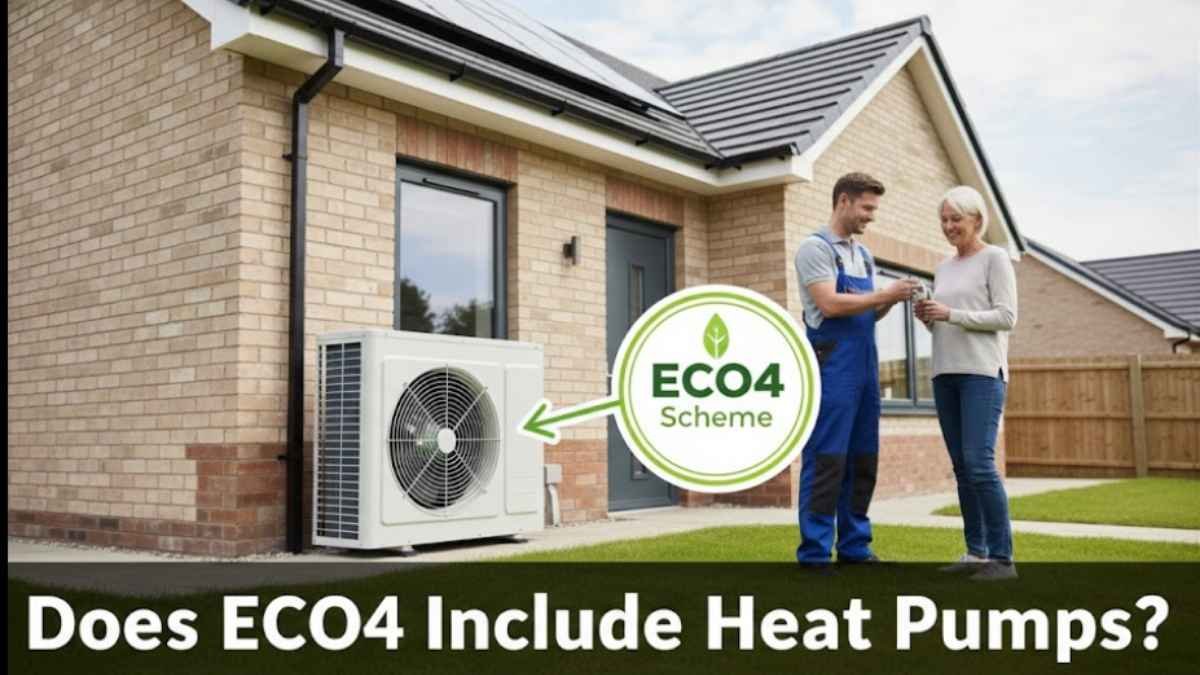
The UK government has taken many steps to reduce carbon emissions and help people save money on energy. One of the most important programs supporting this goal is the ECO4 Scheme.
It helps low-income households improve their home’s energy efficiency. But one of the big questions people ask is, “Does ECO4 include heat pumps?”
In this blog, we’ll explore everything about the ECO4 Scheme and find out if heat pumps are part of it. We’ll also explain how heat pumps work, why they matter, and how people can apply for the ECO4 support.
If you’re considering a greener alternative to your current heating system, it’s also worth learning about air source heat pump grants UK residents can access to cut costs and improve home efficiency.
What Is the ECO4 Scheme?
ECO4 stands for Energy Company Obligation Phase 4. It is the latest phase of a government-backed plan that started in 2013. This scheme requires large energy companies to fund energy-saving upgrades in homes. The aim is to help low-income families reduce their heating bills and cut carbon emissions.
The ECO4 Scheme started in April 2022 and will run until March 2026. It replaces the older ECO3 scheme and brings some changes to the types of support available. It mainly targets homes with poor energy performance, especially those with an Energy Performance Certificate (EPC) rating of D, E, F, or G.
Does the ECO4 Scheme Include Heat Pumps?
Yes, the ECO4 Scheme includes heat pumps. The government has made it clear that heat pumps are part of the energy-efficient measures supported under ECO4. This is a big step forward because heat pumps are known to be clean and cost-effective alternatives to gas boilers.
Heat pumps are seen as a vital part of the UK’s plan to reach net zero carbon emissions by 2050. That’s why the government is encouraging their use through different support programs, including ECO4.
Under ECO4, homeowners or tenants who qualify can get a free or heavily subsidized heat pump system, depending on their eligibility and the condition of their home.
What Are Heat Pumps and How Do They Work?
A heat pump is a device that moves heat from one place to another. It doesn’t create heat like a boiler. Instead, it transfers existing heat from the air, ground, or water into your home.
There are mainly two types of heat pumps supported under the ECO4 Scheme:
Air Source Heat Pumps (ASHP) take heat from the outside air and use it to warm up your home and hot water. They work even when it’s cold outside, as low as -15°C.
Ground Source Heat Pumps (GSHP) take heat from the ground using pipes buried in your garden. These are more efficient but also more costly to install.
Heat pumps use electricity to run, but they are very efficient. For every unit of electricity they use, they can produce three or more units of heat. This makes them a much greener option than gas or oil heating systems.
Why Are Heat Pumps Part of the ECO4 Scheme?
The main goal of the ECO4 Scheme is to improve home energy efficiency and reduce carbon emissions. Heat pumps fit perfectly into this plan because they do both.
Gas boilers, which are common in UK homes, produce carbon dioxide. Heat pumps, on the other hand, don’t produce any direct emissions. When powered by renewable electricity, they are nearly carbon-free.
Installing heat pumps also helps reduce energy bills in the long run. Even though the upfront cost can be high, government schemes like ECO4 help cover those costs. Over time, heat pumps can save homeowners hundreds of pounds every year.
Who Can Get a Heat Pump Under the ECO4 Scheme?
Not everyone can get a heat pump under ECO4. The scheme is designed to help the most vulnerable households. Here’s who can benefit:
- People receiving certain benefits like Income Support, Housing Benefit, Universal Credit, and others.
- Households with low income (usually under £31,000 per year).
- Homes with poor EPC ratings (D, E, F, or G).
- Tenants in private rented homes may qualify, but landlords need to approve the installation.
An energy assessment is usually required before approval. This helps check the current condition of your home and see what upgrades are possible.
If your home is suitable for a heat pump and you meet the criteria, the ECO4 Scheme may cover the full cost of supply and installation.
What Happens During the Installation?
If you qualify for a heat pump under the ECO4 Scheme, here’s what usually happens:
First, an energy assessment will be done. This shows the current state of your home’s insulation, heating system, and energy rating.
Next, a home survey will be carried out by an approved installer. They check where the heat pump can go, how the system will connect, and what upgrades may be needed (like better insulation).
After the survey, you’ll be given a proposal. If everything is approved, the installation team will install the heat pump. This may take a few days, depending on the type of heat pump.
Once installed, the system will be tested and adjusted. You’ll also be shown how to use it.
What Other Measures Are Included in ECO4?
Besides heat pumps, the ECO4 Scheme includes many other energy-saving upgrades. These may be installed along with a heat pump to improve overall performance.
Here are some of the upgrades commonly offered:
- Loft insulation to stop heat from escaping through the roof.
- Cavity wall insulation to improve heat retention.
- Solid wall insulation for older buildings with no cavity.
- Room-in-roof insulation for converted loft spaces.
- Smart heating controls to better manage heat use.
- Solar panels for renewable energy production.
These upgrades make your home warmer, cheaper to run, and more eco-friendly. Often, a heat pump works best when the home is already well insulated.
How to Apply for a Heat Pump Under ECO4?
Applying for support under the ECO4 Scheme is easy. You can either apply directly through the government’s website or go through approved ECO4 installers.
Here are the basic steps:
- Check your eligibility. Use online tools or contact an installer to see if you qualify.
- Book a free home assessment. This will check your home’s current condition.
- Get a proposal. If you’re eligible, you’ll be told what upgrades are available.
- Agree to the work. The installer will schedule the upgrades.
- Enjoy your new heating system. Once installed, your heat pump will start saving energy and money.
It’s important to use only approved and trusted installers to ensure the work is high quality and the funding is applied correctly.
Is It Worth Getting a Heat Pump?
For many homes, getting a heat pump under the ECO4 Scheme is a great deal. If you qualify, you can get a modern, low-cost, and eco-friendly heating system for little to no cost.
Heat pumps are not only cleaner but also more stable in energy pricing. Since they run on electricity, and electricity is increasingly coming from renewable sources, your heating costs are less tied to gas prices.
Also, homes with heat pumps often have higher property values because they are future-proof and cheaper to run.
Challenges and Considerations
While the benefits are strong, there are some things to keep in mind.
- Heat pumps may not work well in poorly insulated homes. That’s why insulation is often upgraded first.
- They may not produce heat as fast as gas boilers, so homes need to be warm and airtight.
- Some homes may need larger radiators or underfloor heating to work well with a heat pump.
Still, for most homes, these upgrades are part of the full ECO4 package. So, homeowners don’t need to worry about extra costs.
Final Thoughts
So, does ECO4 include heat pumps? Yes, it absolutely does. The ECO4 Scheme is one of the best ways for low-income households to access Heat Pump Grants to get a free or low-cost unit installed.
By making homes warmer, greener, and cheaper to heat, heat pumps play a key role in the UK’s move towards a low-carbon future. If you meet the eligibility criteria, now is a great time to take advantage of this opportunity.
The ECO4 Scheme not only supports heat pump installation but also includes other important upgrades that make your home more energy efficient overall. And if you’re wondering what the EPC rating of an air source heat pump is, it’s typically high due to its excellent efficiency, making it even more attractive under government schemes.
If you’re thinking about upgrading your home heating system, check if you qualify for the ECO4 Scheme today. It could save you money, make your home more comfortable, and help protect the planet.
When people think about home improvement, they often focus on furniture, paint colors, flooring, or decorative pieces. Yet one of the most powerful design elements in any home is frequently overlooked: window treatments. The right blinds or shades can completely transform a room, much like the perfect frame enhances a beautiful painting. Eclipse Blinds has become a trusted name for homeowners searching for premium window treatments in Knoxville TN. Their ability to combine functionality, style, and modern design has made them a preferred local option for families wanting to upgrade their living spaces.
Why Window Treatments Matter in Every Home
A home without proper window coverings can feel unfinished, no matter how beautiful the interior design may be. Windows naturally attract attention because they bring in sunlight and connect indoor spaces with the outdoors. However, without the right blinds or shades, rooms may feel too bright, too exposed, or even uncomfortable during certain times of the day. This is where Eclipse Blinds provides real value to Knoxville homeowners by offering solutions that balance beauty and practicality.
The Growing Demand for Stylish Blinds in Knoxville TN
Home design trends continue to evolve, and Knoxville homeowners are paying closer attention to modern interior aesthetics than ever before. People no longer view blinds as simple functional items. Instead, they are seen as important decorative features that contribute to the personality of a room. Eclipse Blinds understands this shift and offers stylish window treatments designed to match both contemporary and traditional homes.
What Makes Eclipse Blinds Stand Out
There are many companies offering blinds and shades, but not all provide the same level of quality or customer care. Eclipse Blinds stands out because of its commitment to craftsmanship, professional service, and customer satisfaction. Their team works closely with homeowners to understand their needs before recommending specific window treatment options. This personalized approach creates a more satisfying experience and helps customers feel confident in their decisions..
Local Expertise and Personalized Services
One of the greatest advantages of choosing a local business like Eclipse Blinds is the personalized customer experience. Unlike large national chains that often rely on standardized solutions, local professionals understand the specific needs of Knoxville homeowners. They know how seasonal sunlight patterns affect homes in the area and can recommend treatments designed to maximize comfort and efficiency.
Different Types of Window Treatments Offered by Eclipse Blinds
Roller Blinds
Roller blinds have become one of the most popular choices for modern homes because of their simplicity and versatility. They provide a clean, streamlined appearance that works well in living rooms, offices, and bedrooms. Eclipse Blinds offers roller blinds in various colors and fabrics, allowing homeowners to customize the level of light filtering and privacy they need.
Roman Shades
Roman shades add softness and elegance to a room while maintaining excellent functionality. Their fabric folds create a sophisticated appearance that works beautifully in formal spaces and cozy bedrooms alike. Homeowners who want a balance between luxury and practicality often choose Roman shades from Eclipse Blinds because they enhance both comfort and visual appeal.
Wooden Blinds
Wooden blinds remain a timeless favorite because they bring warmth and natural texture into a space. They pair exceptionally well with both traditional and modern interiors. Eclipse Blinds offers wooden blinds crafted from durable materials that resist fading and wear while creating a refined atmosphere in any room.
Motorized Window Treatments
Smart home technology has transformed modern living, and window treatments are no exception. Motorized blinds allow homeowners to control light and privacy with the touch of a button or smartphone app. Eclipse Blinds provides advanced motorized solutions that combine convenience with luxury, making them especially appealing for large windows and hard-to-reach spaces.
Benefits of Choosing Eclipse Blinds
| Feature | Benefit |
| Custom Designs | Perfect fit for every room |
| Energy Efficiency | Reduced heating and cooling costs |
| Privacy Control | Increased comfort and security |
| Stylish Appearance | Enhanced home aesthetics |
| Professional Installation | Long-lasting performance |
Choosing Eclipse Blinds offers benefits that go far beyond appearance alone. Properly installed blinds and shades improve daily living by controlling sunlight, enhancing privacy, and reducing glare. They can even lower energy costs by helping regulate indoor temperatures throughout the year. In hot summers, quality blinds block excessive heat, while during winter they help retain warmth inside the home.
Why Knoxville TN Homeowners Prefer Eclipse Blinds
Knoxville homeowners value quality craftsmanship and reliable customer service, which is why many choose Eclipse Blinds for their window treatment needs. The company’s focus on customer satisfaction has helped build strong local trust and positive word-of-mouth recommendations. Families appreciate working with professionals who genuinely care about creating comfortable and beautiful living spaces.
How Eclipse Blinds Improve Home Comfort
Natural light is wonderful, but too much sunlight can make rooms uncomfortable and increase indoor temperatures. Eclipse Blinds helps homeowners control the amount of light entering each room without sacrificing style. Adjustable blinds allow families to create the perfect atmosphere throughout the day, whether they want bright sunlight or a cozy shaded environment.
Trending Window Treatment Styles in 2026
Minimalist designs continue to dominate interior design trends in 2026. Clean lines, neutral colors, and functional simplicity remain highly desirable among modern homeowners. Eclipse Blinds offers products that align with these contemporary trends while maintaining timeless appeal that won’t quickly go out of style.
Choosing the Right Window Treatments for Your Space
Every room has different lighting and privacy needs, which is why choosing the right window treatments requires careful consideration. Living rooms often benefit from elegant light-filtering shades that create a welcoming atmosphere without blocking natural brightness. Bedrooms, on the other hand, typically require greater privacy and darkness for better sleep quality.
Comparing Popular Window Treatment Options
| Window Treatment | Best For | Main Advantage |
| Roller Blinds | Modern Homes | Minimalist Style |
| Roman Shades | Bedrooms | Elegant Appearance |
| Wooden Blinds | Living Rooms | Warm Natural Texture |
| Motorized Blinds | Smart Homes | Convenience and Automation |
Conclusion
A home should feel comfortable, stylish, and welcoming, and window treatments play a major role in achieving that balance. Eclipse Blinds has become a trusted choice for Knoxville TN homeowners because of its dedication to quality, customization, and professional service. Their wide selection of blinds, shades, and motorized solutions allows homeowners to create spaces that are both functional and visually stunning.


The idea of establishing a home gym is exciting. You imagine convenience, privacy, and the freedom to work out anytime. However, when you begin to perceive alternatives, it can soon become overwhelming. Home gym equipment is out there in a wide variety, starting with simple equipment and up to huge machines, and not everything is what you need to achieve your aims.
The trick is not to purchase everything immediately, but to make a wise choice. The correct equipment varies according to your fitness, the amount of space available, and the kind of exercises you really enjoy. An efficient home gym does not have to be costly or complex.
In this guide, we will deconstruct the process of selecting the appropriate home gym equipment to enable you to create a space that suits your routine and keeps you motivated.
Start with Your Fitness Goals
Think over what you want to accomplish before purchasing anything. The kind of home gym equipment you require will depend on your objectives. In case you are interested in strength training, such equipment as dumbbells, barbells, or resistance bands will be needed.
In the case you are more cardio-oriented, a treadmill, skipping rope, or a stationary bike will be more appropriate. A yoga mat or a foam roller should be sufficient to be flexible and balanced.
Consider Your Available Space
Space is also very important in the selection of the appropriate setup. Not all people have the spare room to have a gym, and that is okay. When dealing with a small space, use small and versatile equipment.
Foldable benches, adjustable dumbbells, and resistance bands are excellent choices since they do not occupy a lot of space. To fill bigger spaces, you can think of bigger machines, such as squat racks or cardio machines. A good home gym ought not to be cramped but open and easy to use.
Focus on Quality Over Quantity
You are tempted to purchase many items of home gym equipment simultaneously, particularly when you come across bundle packages. Durable equipment is more lasting, comfortable to operate, and less likely to cause injury. Inexpensive products can be cost-effective initially, but they can easily break down or fail to work.
Begin with the fundamentals and develop gradually. As an example, a sound pair of dumbbells, a bench, and a mat can facilitate a variety of exercises.
Choose Equipment You’ll Actually Use
It is one of the greatest errors people make when purchasing gadgets they seldom use. It may be a sight to behold, but it will not help unless it suits your habit. Consider what you like to do. In case you prefer basic exercises, then use the equipment that helps you to maintain the exercises.
When you are more likely to have guided routines, you could also think about machines or devices that can be used with workout apps. The ideal home gym exercise equipment is not the one that you hang on the corner, but the one that you engage in regularly.
Home
Yard Art Landscaping: Complete Lawn Care Seasonal Maintenance & Custom Landscaping Solutions in Charleston

When it comes to maintaining a beautiful and healthy outdoor space in Charleston, Yard Art Landscaping stands out as a reliable full-service landscaping management company. The region’s warm climate, coastal air, and sandy soil make lawn care a challenging task for homeowners. That’s why professional landscaping support becomes essential for keeping properties vibrant throughout the year. Based on available local service information, Yard Art Landscaping is known for offering comprehensive lawn maintenance, seasonal treatments, and custom outdoor design solutions tailored specifically for Charleston and nearby communities .
Why Landscaping Matters in Charleston
Charleston’s coastal environment creates both opportunities and challenges for lawn care. The warm temperatures encourage lush growth, but high humidity and salty air can weaken turf if not properly maintained. This is where professional services like Yard Art Landscaping become important. A well-maintained lawn does not just look goodit improves air quality, prevents soil erosion, and increases overall property value. In neighborhoods across Charleston, a well-kept yard often becomes a reflection of the homeowner’s lifestyle and attention to detail.
About Yard Art Landscaping Services
Yard Art Landscaping operates as a full-service landscape management company with over two decades of experience in the industry. The company is dedicated to providing reliable lawn care services, customized maintenance plans, and detailed landscaping solutions for both residential and commercial clients . Their approach combines technical knowledge with creative design, ensuring each property receives personalized attention based on its unique requirements.
Full-Service Landscape Management Overview
The strength of Yard Art Landscaping lies in its all-in-one service model. Instead of hiring multiple contractors for different tasks, clients can rely on a single company to handle everything from mowing to irrigation systems. This integrated approach saves time, reduces costs, and ensures consistency in maintenance quality. The team focuses on long-term lawn health rather than quick fixes, making their services ideal for homeowners who want sustainable results.
Residential Landscaping Solutions
Residential clients benefit from tailored lawn care packages that include mowing, fertilization, weed control, and seasonal cleanup services. Yard Art Landscaping ensures that every home lawn receives customized treatment based on soil type, grass variety, and exposure to sunlight. This personalized care helps homeowners maintain lush green yards that remain healthy throughout the year.
Commercial Landscaping Services
For commercial properties, curb appeal is essential. Yard Art Landscaping provides structured maintenance programs designed for offices, retail spaces, and community areas. These services help businesses maintain a professional appearance that attracts customers and enhances brand reputation.
Lawn Maintenance Services by Yard Art Landscaping
Lawn maintenance is the foundation of Yard Art Landscaping’s services. A well-maintained lawn not only looks attractive but also supports healthier soil and stronger root systems. The company offers structured mowing schedules along with trimming and cleanup services to ensure lawns remain neat and uniform throughout the year.
Weekly and Bi-Weekly Mowing Programs
Regular mowing is essential for maintaining grass health. Yard Art Landscaping offers flexible schedules depending on the growth rate of the lawn. Weekly mowing is ideal during peak growing seasons, while bi-weekly options work well during slower months. Each mowing session is carefully executed to avoid damaging grass blades and to promote even growth.
Edging, Trimming, and Cleanup Services
Beyond mowing, detailed edging and trimming help define the structure of outdoor spaces. Clean edges around driveways, walkways, and flower beds create a polished look. Yard Art Landscaping also ensures all debris is removed after service, leaving the property clean and visually appealing.
Seasonal Lawn Treatments in Charleston
Seasonal changes significantly impact lawn health in Charleston. Yard Art Landscaping offers targeted treatments to ensure lawns remain strong throughout the year.
Spring Lawn Recovery Programs
Spring is a recovery season where lawns regain strength after winter dormancy. Fertilization and soil aeration are commonly used to encourage new growth and restore color.
Summer Heat Protection Treatments
During summer, lawns face stress from heat and humidity. Specialized watering schedules and nutrient applications help protect grass from drying out or burning.
Fall Fertilization and Soil Prep
Fall treatments focus on strengthening root systems before winter arrives. Fertilizers rich in potassium and phosphorus are used to improve resilience.
Custom Landscaping Design Services
Yard Art Landscaping also specializes in custom landscape design, helping homeowners transform ordinary yards into visually stunning outdoor spaces.
Landscape Planning and Yard Transformation
Design services include layout planning, plant selection, and full yard redesigns. Every project begins with understanding the client’s vision and property conditions.
Hardscaping and Outdoor Features
Hardscaping elements like patios, walkways, and retaining walls add structure and functionality to outdoor spaces. These features enhance usability while increasing property value.
Irrigation and Water Management Solutions
Proper irrigation is essential for maintaining healthy lawns. Yard Art Landscaping installs and maintains irrigation systems that ensure consistent watering without waste. These systems are designed to match seasonal weather patterns, preventing both overwatering and underwatering.
Fertilization and Weed Control Programs
Weed control and fertilization are key components of long-term lawn health. Yard Art Landscaping uses balanced treatments to promote grass growth while eliminating invasive weeds. These programs are carefully scheduled throughout the year for maximum effectiveness.
Why Choose Yard Art Landscaping in Charleston
Homeowners choose Yard Art Landscaping because of its reliability, experience, and customer-focused approach. The company combines professional expertise with local knowledge of Charleston’s soil and climate conditions. This ensures every lawn receives the right care at the right time, resulting in healthier and more attractive outdoor spaces.
Benefits of Professional Lawn Care Services
Professional landscaping offers several advantages:
- Improved curb appeal
- Healthier soil and grass
- Time savings for homeowners
- Increased property value
- Year-round lawn protection
Instead of struggling with unpredictable DIY maintenance, professional care ensures consistent results.
Service Areas Around Charleston
Yard Art Landscaping proudly serves Charleston and its surrounding communities, ensuring homeowners and businesses across the region get reliable lawn care and landscaping support. Their services extend to nearby cities and suburban neighborhoods where quality outdoor maintenance is in high demand. From coastal properties to residential inland areas, they bring consistent care and attention to every yard. This wide service coverage helps clients enjoy beautiful, well-maintained landscapes no matter where they are located around Charleston.
Customer Experience and Reliability
Customer satisfaction is a core priority. With experienced technicians and a detail-oriented approach, Yard Art Landscaping focuses on delivering consistent results. Their reputation is built on trust, long-term relationships, and quality service delivery.
Conclusion
Yard Art Landscaping continues to play a vital role in enhancing outdoor spaces across Charleston. From routine lawn maintenance to full-scale landscape design, the company provides everything needed to maintain a beautiful and functional yard. With a strong focus on seasonal care, irrigation management, and custom landscaping solutions, homeowners can enjoy stress-free outdoor living throughout the year. Choosing professional services like Yard Art Landscaping ensures that every property remains healthy, attractive, and well-maintained regardless of the season.

Microsoft Dynamics Implementation Services for Digital Business Growth in UAE

Eclipse Blinds: Transforming Homes with Stylish Window Treatments in Knoxville TN

The Variable Sample Size Problem: Why RADV Audits Are Harder to Predict Than Ever

هنتاوي.com: A Guide to Safe and Responsible Online Browsing

How to buy Steroids with Credit Card?
