
E-commerce
Why UX Design Directly Impacts Ecommerce Conversion Rates


In ecommerce, traffic is often treated as the ultimate growth lever. Brands invest heavily in paid acquisition, SEO, and influencer marketing to drive visitors to their stores. Yet for many online retailers, conversion rates remain stagnant.
The missing link is frequently user experience (UX) design.
UX is not about aesthetics alone. It is the structured orchestration of usability, psychology, performance, and trust that guides users toward completing a purchase. When UX is optimized strategically, it reduces friction, builds confidence, and accelerates decision-making. When neglected, it silently erodes revenue.
Research consistently shows that even minor UX improvements can increase conversion rates by 10–40%. In high-volume ecommerce environments, that difference translates into millions in incremental revenue.
To understand why UX design directly impacts conversion rates, we must examine the psychological mechanics of buying behavior and how interface design influences every step of the customer journey.
The Direct Link Between UX and Conversion Psychology
Conversion is fundamentally psychological.
Every visitor arrives at an ecommerce site with intent uncertainty. They are evaluating risk, comparing options, and scanning for signals that validate their decision. UX design shapes that evaluation process in real time.
UX Reduces Cognitive Load
Cognitive load refers to the mental effort required to process information. The more effort users must exert to navigate, interpret content, or complete a task, the more likely they are to abandon the experience.
Clear layouts, intuitive navigation, scannable content, and predictable interactions reduce mental strain. When users feel that a website is effortless to use, they experience what psychologists call “processing fluency.” High fluency increases trust and perceived value.
Poor UX increases friction. Friction increases hesitation. Hesitation reduces conversion.
UX Influences Risk Perception
Online purchases inherently involve uncertainty. Customers cannot touch products, speak to sales associates, or physically inspect quality.
Design elements such as visual clarity, clean interfaces, transparent pricing, and structured product information lower perceived risk. Conversely, cluttered layouts or confusing flows raise subconscious red flags.
This is why strategic UX decisions — often guided by an experienced ecommerce website design company — directly affect sales outcomes. The design framework determines whether users feel confident enough to proceed to checkout.
UX Builds Trust Through Structure
Trust is not built through claims alone. It is built through consistency, coherence, and predictability.
When navigation behaves as expected, forms work smoothly, and pages load quickly, users perceive professionalism. That perception extends to the brand itself. A well-designed interface communicates reliability before a single word is read.
In ecommerce, trust precedes transaction.
Core UX Elements That Influence Conversion Rates
Several UX components have a measurable and direct impact on ecommerce performance.
Site Speed & Performance
Speed is not a technical detail. It is a conversion driver.
Studies show that:
- A one-second delay in load time can reduce conversions by up to 7%.
- Pages that load in under two seconds see significantly higher engagement.
- Mobile users are particularly sensitive to delays.
Slow performance increases bounce rate and interrupts buying momentum. Even if users remain on the site, slower interactions create frustration that compounds throughout the journey.
Optimizing image sizes, leveraging caching, reducing unnecessary scripts, and prioritizing performance on mobile devices can yield immediate conversion improvements.
Speed enhances trust. Speed enhances usability. Speed enhances revenue.
Navigation & Information Architecture
Users should never have to “hunt” for products.
Effective navigation is structured around how customers think — not how internal teams categorize inventory. Logical hierarchies, clear labels, and intelligent filtering systems reduce decision fatigue.
Strong information architecture:
- Minimizes the number of clicks to reach products.
- Provides contextual breadcrumbs.
- Offers advanced filtering and sorting options.
- Aligns product taxonomy with customer intent.
When navigation feels intuitive, users stay longer and explore more products. Increased exploration correlates directly with higher purchase probability.
Confusing navigation, on the other hand, creates drop-offs that are often misattributed to weak demand.
Product Page Optimization
Product pages are conversion epicenters.
They must simultaneously inform, persuade, and reassure. High-performing product pages share several UX characteristics:
- High-resolution images with zoom functionality.
- Multiple angles and lifestyle visuals.
- Clear, benefit-driven descriptions.
- Structured bullet points for specifications.
- Transparent pricing and shipping details.
- Visible return policies.
Micro-interactions also matter. For example:
- Sticky “Add to Cart” buttons reduce friction.
- Real-time stock indicators create urgency.
- Customer reviews enhance social proof.
Every element on a product page either increases clarity or introduces doubt. Conversion rates reflect that balance.
Checkout Experience
Checkout is where revenue is either realized or lost.
Cart abandonment rates in ecommerce commonly exceed 65%. While pricing and shipping fees contribute, UX friction is a major factor.
High-converting checkout experiences typically include:
- Guest checkout options.
- Minimal required fields.
- Progress indicators.
- Autofill compatibility.
- Clear error messaging.
- Transparent cost breakdowns.
Unexpected fees or forced account creation introduce friction at the moment of highest purchase intent.
Streamlined checkout processes can increase completion rates dramatically, often delivering the fastest return on UX investment.
Mobile Responsiveness
Mobile commerce now accounts for a substantial share of online transactions globally. In many industries, it exceeds desktop traffic by a wide margin.
Mobile UX requires more than responsive resizing.
Effective mobile optimization includes:
- Thumb-friendly button placement.
- Simplified navigation.
- Compressed visual hierarchy.
- Fast-loading assets.
- Easy payment integrations (digital wallets, autofill).
Because mobile users operate in distraction-heavy environments, clarity and speed are even more critical. If a site feels cumbersome on mobile, abandonment happens quickly.
Conversion performance increasingly depends on mobile excellence.
Trust & Credibility Signals
Trust signals are not decorative additions. They are psychological triggers.
Effective signals include:
- Secure payment badges.
- Visible customer reviews and ratings.
- Clear return and refund policies.
- Contact information and customer support access.
- User-generated content.
- Transparent shipping timelines.
Trust signals reduce perceived risk and increase buying confidence.
When these signals are absent or hidden, users hesitate. That hesitation frequently results in exit.
The Cost of Poor UX on Revenue
The financial consequences of poor UX are often underestimated.
Lost Conversions and Revenue Leakage
Consider a store generating 100,000 monthly visitors with a 1.5% conversion rate. Increasing conversion to 2.0% through UX optimization represents a 33% increase in orders — without increasing traffic spend.
Poor UX silently suppresses these opportunities.
Revenue leakage occurs at multiple stages:
- High bounce rates on landing pages.
- Drop-offs during product exploration.
- Cart abandonment at checkout.
- Mobile usability issues.
Each friction point compounds across the funnel.
Brand Perception Damage
User experience shapes brand perception. A frustrating interface can position even high-quality products as unreliable.
Negative experiences reduce repeat purchases and customer lifetime value. They also increase negative reviews and word-of-mouth damage.
In competitive markets, users do not tolerate friction. They switch brands.
Higher Acquisition Costs
When conversion rates are low, businesses often respond by increasing advertising spend. This inflates customer acquisition costs without addressing the root problem.
Improving UX increases the return on every dollar spent on traffic. It transforms marketing efficiency.
How to Measure UX Impact on Conversions
UX improvements must be measurable.
Several metrics reveal how design influences performance.
Behavioral Metrics
Key indicators include:
- Conversion rate.
- Bounce rate.
- Time on page.
- Pages per session.
- Cart abandonment rate.
- Checkout completion rate.
A high bounce rate on product pages may signal unclear messaging or slow load times. Elevated cart abandonment may indicate checkout friction.
Funnel Diagnostics
Mapping the user journey helps identify where users drop off.
Analyze:
- Landing page to product view progression.
- Product view to cart addition.
- Cart to checkout initiation.
- Checkout to purchase.
Significant drop-offs between stages reveal UX weaknesses.
Behavioral Analytics Tools
Heatmaps and session recordings provide qualitative insight.
They show:
- Where users click.
- How far they scroll.
- Where they hesitate.
- Which elements are ignored.
These insights uncover friction that traditional analytics may miss.
UX impact is observable, measurable, and optimizable.
Strategic Recommendations for Improving UX-Driven Conversions
Improving UX is not a one-time redesign project. It is a continuous strategic process.
Adopt Research-Driven Design
Decisions should be informed by:
- User testing.
- Customer feedback.
- Analytics insights.
- Competitive analysis.
Assumptions are expensive. Data-driven iteration is profitable.
Create a Testing Culture
A/B testing enables validation of UX changes before full deployment.
Test variables such as:
- Button placement.
- Product page layouts.
- Checkout field reduction.
- Pricing display formats.
- Trust badge placement.
Small refinements often generate significant gains.
Align UX With Business Goals
UX teams, marketing teams, and development teams must collaborate.
Conversion optimization requires alignment between:
- Acquisition strategy.
- Messaging consistency.
- Technical performance.
- Customer support systems.
UX sits at the intersection of these disciplines.
Prioritize Mobile-First Thinking
Designing for mobile constraints first often leads to cleaner, more focused experiences across devices.
Mobile-first design enforces clarity, reduces clutter, and emphasizes essential actions.
In modern ecommerce, mobile UX is not secondary. It is primary.
Conclusion
UX design directly impacts ecommerce conversion rates because it shapes perception, reduces cognitive load, lowers risk, and builds trust.
Every click, scroll, and interaction influences whether a visitor completes a purchase or exits. Site speed, navigation structure, product clarity, checkout simplicity, mobile optimization, and trust signals all work together to create a cohesive buying experience.
For business owners and ecommerce leaders, UX should not be viewed as an aesthetic investment. It is a revenue strategy.
In an environment where traffic costs continue to rise and competition intensifies, optimizing user experience is one of the most scalable ways to increase profitability. The brands that treat UX as a growth engine — not a design afterthought — will continue to outperform in the evolving ecommerce landscape.

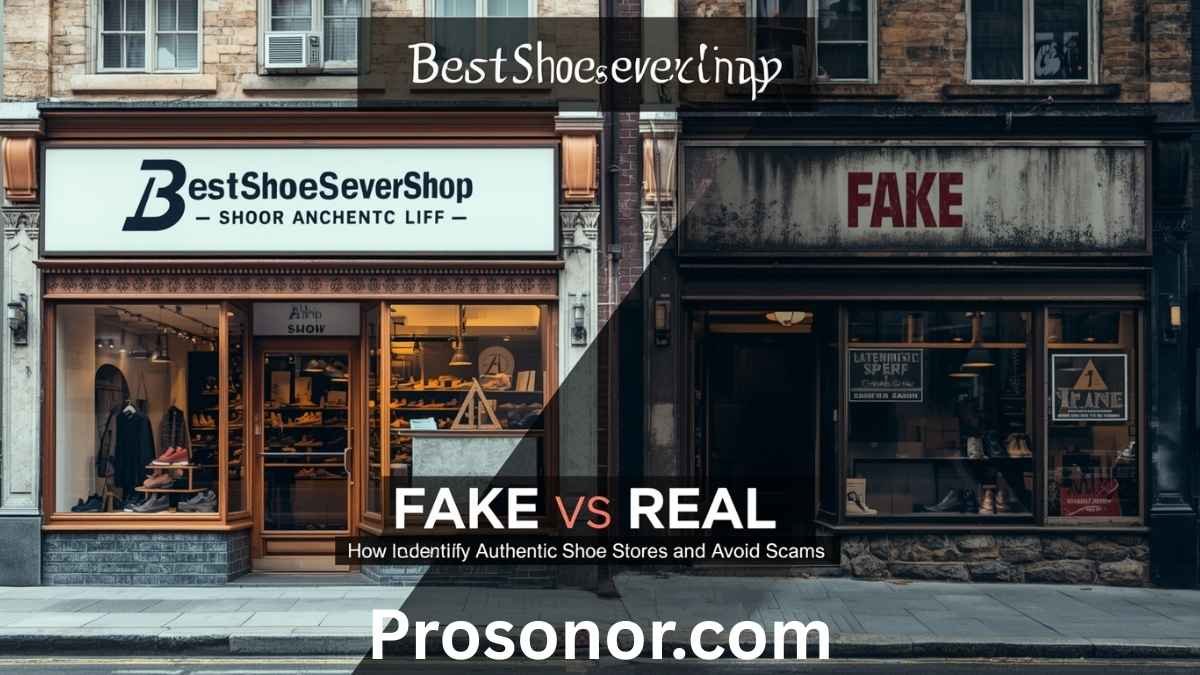
Introduction
Online shopping has completely transformed how we buy shoes. Instead of visiting physical stores, people now browse websites offering incredible deals, exclusive releases, and convenient home delivery. However, with this convenience comes risk. Many shoppers have started questioning whether certain online stores—like BestShoeSeverShop Fake vs Real. Understanding how to identify authentic shoe retailers versus fake ones is essential to protect your money, your personal information, and your overall shopping experience.
This guide will break everything down in simple terms. By the end, you’ll know exactly how to spot fake stores, verify legitimacy, and shop with confidence.
Understanding the Difference Between Fake and Real Online Shoe Stores
The first thing you need to understand is that fake and real shoe stores often look very similar on the surface. Scam websites have become more sophisticated over time. They use professional layouts, high-quality images, and even fake customer reviews to appear trustworthy. At first glance, it can be nearly impossible to tell the difference.
Real stores, however, have a genuine business structure behind them. They partner with official brands like , , and , ensuring they sell authentic products. These stores have proper supply chains, customer service teams, and clear business policies. They focus on long-term reputation rather than quick profits.
Fake stores operate differently. Their main goal is to collect your money quickly. Sometimes they send counterfeit shoes. Other times, they send nothing at all. In many cases, they disappear after scamming customers, making it impossible to get a refund.
Understanding this core difference is the foundation of safe online shopping.
Common Warning Signs That BestShoeSeverShop May Be Fake
One of the most obvious warning signs is pricing that seems too good to be true. Authentic branded shoes rarely sell at extremely low prices unless there is a legitimate sale. If a store offers premium sneakers at 70–90% off consistently, it’s a major red flag.
Another sign is poor website quality. Fake stores often have spelling mistakes, broken pages, or inconsistent information. Professional businesses invest in quality websites because their reputation depends on it. Scam sites, on the other hand, are often rushed and poorly maintained.
Payment methods also reveal a lot. Fake stores usually accept only risky payment options like direct bank transfers, cryptocurrency, or unprotected payment gateways. Legitimate stores offer secure payment options, including credit cards and trusted platforms with buyer protection.
If BestShoeSeverShop shows multiple warning signs, it’s wise to proceed carefully or avoid it entirely.
How to Verify Whether BestShoeSeverShop Is Real or Fake
One of the easiest ways to verify a store is by checking customer reviews. Look beyond the website itself and search for independent reviews on trusted platforms. If many customers report scams, missing orders, or fake products, that’s a serious warning sign.
Another important step is checking the website’s domain age. Scam websites are often very new. Real businesses usually have a longer online history. You can use domain lookup tools to see when the website was created.
You should also look for clear contact information. Legitimate businesses provide a real address, working phone number, and responsive customer support. Fake stores often hide their contact details or provide fake ones.
Transparency is one of the strongest indicators of authenticity.
Product Quality Differences Between Fake and Real Shoes
Authentic shoes have excellent craftsmanship. The stitching is clean, the materials feel premium, and the overall construction is solid. Brands like Nike and Adidas maintain strict quality standards to protect their reputation.
Fake shoes, on the other hand, often show obvious flaws. These include uneven stitching, cheap materials, incorrect logos, and poor comfort. Even if they look similar in photos, the real-world quality is noticeably worse.
Durability is another major difference. Real shoes last longer and provide proper support. Fake shoes may wear out quickly or cause discomfort. This not only wastes money but can also affect your foot health.
In the long run, buying authentic products always provides better value.
Why Fake Shoe Stores Exist and How They Target Customers
Fake stores exist because online scams are profitable. They rely on attracting customers with low prices and limited-time offers. Many people fall for these deals because they want to save money.
Scammers also use social media advertising to promote their fake stores. These ads often show attractive images and claim to offer exclusive deals. Once customers click and purchase, the scam is complete.
Another tactic is creating fake urgency. They use messages like “Only 3 pairs left” or “Sale ends in 2 hours” to pressure customers into buying quickly without thinking.
Understanding these tactics helps you avoid becoming a victim.
The Role of Secure Platforms in Safe Shoe Shopping
Trusted online marketplaces provide strong buyer protection. Platforms like and offer refund systems and dispute resolution. This protects customers if something goes wrong.
These platforms also monitor sellers and remove those who violate policies. While scams can still occur, the risk is much lower compared to unknown independent websites.
Payment protection is another major advantage. Credit cards and secure payment systems allow customers to report fraud and recover their money. Fake stores prefer payment methods that cannot be reversed.
Choosing trusted platforms significantly reduces your risk.
Steps You Should Take Before Buying From Any Online Shoe Store
Always research the store before making a purchase. Look for independent reviews, customer experiences, and ratings. If you cannot find any reliable information, that’s a warning sign.
Check the store’s policies carefully. Legitimate stores provide clear return policies, refund options, and customer support information. Fake stores often have vague or confusing policies.
You should also trust your instincts. If something feels suspicious, it probably is. It’s better to miss a deal than lose your money.
Taking a few minutes to verify a store can save you from major problems.
What to Do If You Already Purchased From a Fake Store
If you suspect you bought from a fake store like BestShoeSeverShop, act quickly. Contact your bank or payment provider immediately. They may be able to reverse the transaction.
You should also monitor your financial accounts for unusual activity. Scam websites sometimes steal payment information for future fraud.
Reporting the website to online fraud authorities can help protect others. This helps prevent scammers from targeting more victims.
Quick action improves your chances of recovering your money.
How to Shop Safely and Avoid Fake Shoe Stores in the Future
The best way to avoid scams is to buy from trusted retailers. Official brand websites and well-known marketplaces provide the safest options.
Always verify website security. Look for HTTPS in the URL and secure payment options. Avoid websites with suspicious designs or unrealistic offers.
Building awareness is your strongest defense. The more you understand scam tactics, the less likely you are to fall for them.
Smart shopping habits protect both your money and your peace of mind.
Final Thoughts: Is BestShoeSeverShop Fake or Real?
Determining whether BestShoeSeverShop is fake or real requires careful evaluation. While some online stores are legitimate, many scam websites exist. The key is to look for warning signs, verify credibility, and prioritize safety.
Authentic stores focus on long-term customer satisfaction. Fake stores focus on quick profits. By understanding the difference, you can avoid scams and make smarter purchasing decisions.
Online shopping offers incredible convenience, but it also requires caution. Always research before buying, use secure payment methods, and choose trusted retailers whenever possible.
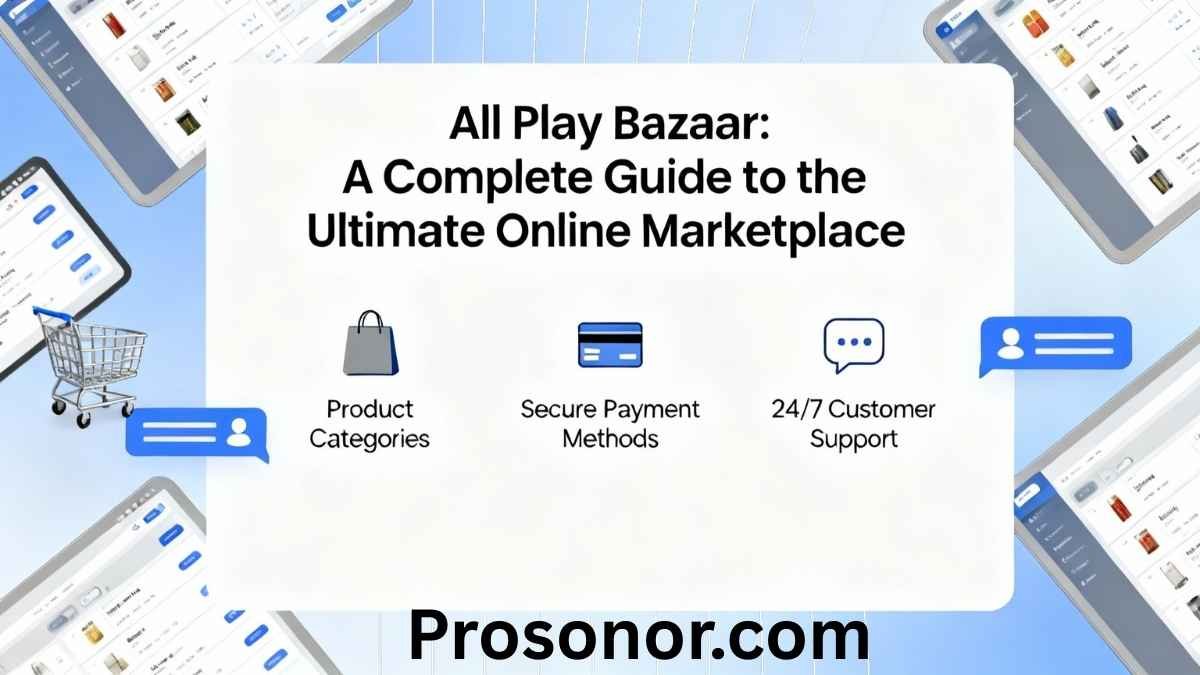
Introduction: Why All Play Bazaar Is Gaining Popularity
In today’s fast-paced digital era, online marketplaces have become the backbone of retail and commerce. Among the many platforms emerging in this space, All Play Bazaar has managed to carve a niche for itself. Whether it’s gaming, electronics, collectibles, or lifestyle products, All Play Bazaar offers a diverse catalog that appeals to both casual buyers and tech-savvy shoppers.
All Play Bazaar’s appeal lies in its simplicity, product variety, and user-friendly interface. Consumers are increasingly looking for a platform where they can explore products, compare prices, and make purchases seamlessly. This is where All Play Bazaar stands out, offering a reliable and engaging shopping experience.
From an expert perspective, All Play Bazaar represents the convergence of e-commerce, entertainment, and community engagement. By integrating various features and services, it provides more than just a shopping platform—it offers an ecosystem for product discovery, reviews, and transactions.
What Is All Play Bazaar and How It Works
All Play Bazaar is an online marketplace that connects sellers and buyers in a digital environment. Unlike traditional e-commerce websites that focus primarily on high-volume sales, All Play Bazaar emphasizes variety and user engagement. The platform features products ranging from electronics and games to fashion, home decor, and collectibles.
The process is straightforward: users browse categories, check product descriptions and reviews, and make purchases through secure payment gateways. Sellers benefit from a large, engaged audience, while buyers enjoy competitive pricing and a curated shopping experience.
From a technical standpoint, All Play Bazaar combines inventory management, payment security, and customer support in a seamless interface. This ensures both parties experience smooth transactions and minimal disruptions.
Product Variety and Categories
One of the main strengths of All Play Bazaar is its diverse product catalog. Electronics, gaming accessories, collectible items, and lifestyle products dominate the platform, catering to different user preferences. This variety ensures that every visitor can find something that suits their taste and needs.
Gaming products are particularly popular, ranging from console accessories to rare collectibles and merchandise. All Play Bazaar leverages this niche to create a loyal user base, as enthusiasts often return for limited edition or hard-to-find items.
Experts note that diversity in offerings not only attracts more users but also increases engagement. By catering to both mainstream and niche markets, All Play Bazaar creates a dynamic marketplace that can adapt to evolving consumer trends.
User Experience and Interface
All Play Bazaar prioritizes a user-friendly interface, making it easy for users to navigate categories, filter products, and track orders. The platform uses clear visuals, concise product descriptions, and intuitive menus to enhance the browsing experience.
Additionally, the platform includes user reviews, ratings, and Q&A sections for products. These features help shoppers make informed decisions and encourage trust between buyers and sellers.
From an expert perspective, a smooth and engaging user experience is crucial for online marketplaces. Platforms that simplify navigation, reduce friction in transactions, and provide relevant information see higher user retention and satisfaction.
Competitive Pricing and Deals
Pricing is a key factor in attracting buyers to any online marketplace, and All Play Bazaar has positioned itself strategically. It offers competitive pricing across most product categories, along with seasonal deals, discounts, and bundle offers.
Regular promotions not only drive sales but also enhance user engagement, encouraging customers to return frequently. By analyzing purchasing patterns, the platform can tailor offers to specific user preferences, further boosting satisfaction.
Experts emphasize that dynamic pricing and strategic promotions are essential in online marketplaces. They help maintain competitiveness while encouraging repeat visits, ultimately increasing the platform’s growth potential.
Seller Opportunities and Benefits
For sellers, All Play Bazaar provides a robust platform to showcase products to a targeted and engaged audience. The onboarding process is straightforward, and sellers can manage inventory, track sales, and communicate with buyers directly through the platform.
The marketplace model allows sellers of all sizes—from small businesses to large distributors—to reach audiences they might not access otherwise. This democratization of e-commerce helps niche sellers, especially those offering collectibles and specialized products, thrive in a competitive environment.
Experts note that successful marketplaces balance buyer satisfaction with seller support. All Play Bazaar’s focus on both ends of the transaction ensures sustainable growth and a healthy marketplace ecosystem.
Safety and Security Measures
Security is a crucial concern for online shoppers, and All Play Bazaar invests heavily in protecting user data and transactions. The platform uses encrypted payment gateways, secure login processes, and fraud detection mechanisms to safeguard both buyers and sellers.
Additionally, buyer protection policies, return processes, and dispute resolution systems are in place to enhance trust. These measures make the platform safer and more reliable than informal marketplaces or unverified sellers on social media.
From an expert standpoint, robust security protocols are essential for long-term success. Trust and reliability directly impact user retention and the platform’s reputation.
Community Engagement and Reviews
All Play Bazaar encourages community interaction by incorporating user reviews, ratings, and discussion forums. Shoppers can share feedback on products, ask questions, and offer insights based on their experience.
This engagement helps build a sense of community and encourages informed decision-making. It also gives sellers actionable feedback to improve product quality and service.
Experts highlight that community features differentiate marketplaces. By promoting interaction and transparency, All Play Bazaar strengthens user loyalty and enhances the overall shopping experience.
Future Prospects of All Play Bazaar
The future for All Play Bazaar looks promising, as online shopping continues to grow globally. The platform can expand by integrating AI-driven recommendations, augmented reality previews for products, and mobile app enhancements to improve user engagement.
Additionally, exploring partnerships with international sellers could broaden its catalog and attract a wider audience. Expanding logistics and faster delivery options would also enhance customer satisfaction and competitiveness.
From an expert perspective, the key to sustained growth is innovation, customer focus, and seamless technology integration. All Play Bazaar has the foundation to evolve into a leading marketplace if it continues investing in these areas.
Conclusion: Why All Play Bazaar Is a Must-Explore Marketplace
All Play Bazaar is more than just an online shopping platform—it’s an ecosystem that combines convenience, variety, security, and community engagement. Its focus on gaming, electronics, and niche products gives it a unique edge over competitors, while user-friendly design and robust security measures build trust.
For buyers, it offers a reliable, enjoyable shopping experience with competitive pricing and helpful reviews. For sellers, it provides a platform to reach targeted audiences and grow their businesses efficiently.
From an expert standpoint, All Play Bazaar exemplifies a modern online marketplace that balances technology, user experience, and community. As it continues to innovate, it is poised to become a key player in the e-commerce space, offering value to buyers, sellers, and enthusiasts alike.

Microsoft Dynamics Implementation Services for Digital Business Growth in UAE

Eclipse Blinds: Transforming Homes with Stylish Window Treatments in Knoxville TN

The Variable Sample Size Problem: Why RADV Audits Are Harder to Predict Than Ever

هنتاوي.com: A Guide to Safe and Responsible Online Browsing

How to buy Steroids with Credit Card?
