
Business
Major Standards and Specifications for Galvanized Steel Pipes

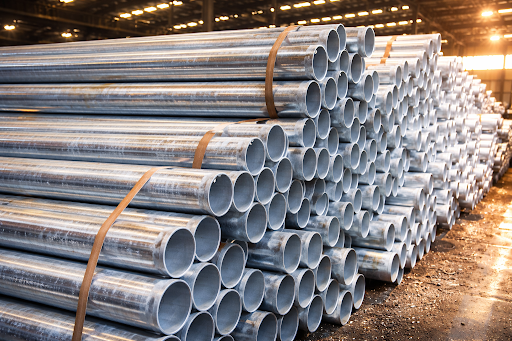
Galvanized steel pipes are very common in construction, plumbing, and many industries. They have a zinc coating that protects the steel from rust. This makes them last longer, especially in wet or outdoor areas. But not all galvanized pipes are the same. Different countries and industries follow specific standards to make sure the pipes are safe, strong, and reliable. This article explains the major standards and specifications for galvanized steel pipes in simple words. We cover what the standards mean, the most important ones, their requirements, and why they matter. You will learn how to pick the right standard for your project.
What Are Galvanized Steel Pipes?
Galvanized steel pipes are regular steel pipes with a layer of zinc applied to the surface. The most common method is hot-dip galvanizing, where the pipe goes into a bath of molten zinc. The zinc bonds with the steel and creates a strong protective coating.
This coating stops rust by acting as a barrier and by sacrificing itself if the surface gets scratched. Galvanized pipes are widely used for water supply, gas lines, scaffolding, fencing, and structural support. They are affordable and easy to work with. However, the quality of the zinc coating and the base pipe must meet certain rules. That is where standards come in.
Standards tell manufacturers exactly how to make the pipe, what the zinc coating should look like, how thick it must be, and what tests to run. They also cover dimensions, strength, and threading. Following a standard helps buyers know they are getting consistent quality.
Why Standards and Specifications Matter
Standards make sure pipes from different factories or countries work the same way. They set minimum requirements for strength, coating thickness, and safety. Without standards, a pipe might fail early or cause leaks.
For example, a pipe used for drinking water needs to meet strict rules on materials and coatings. A pipe for scaffolding needs good mechanical strength. Standards also help with international trade because everyone understands the same requirements.
Common ways to classify galvanized pipes include the base steel standard and the galvanizing standard. The base pipe might follow ASTM A53 or BS 1387, while the zinc coating follows ASTM A123 or ISO 1461.
Major International Standards for Galvanized Steel Pipes
Several important standards cover galvanized steel pipes. The most common ones come from the United States (ASTM), Britain and Europe (BS and EN), and international bodies (ISO).
ASTM A53 is one of the most widely used standards in North America. It covers seamless and welded steel pipes that can be black or hot-dip galvanized. The standard includes requirements for chemical composition, mechanical properties, and dimensions. For galvanized pipes, it refers to specific rules for the zinc coating weight. Grade B is very popular for general use because it offers good strength at a reasonable price.
ASTM A123 focuses on the zinc coating itself. It sets minimum coating thickness based on the thickness of the steel. This standard applies to many steel products, including pipes. It ensures the galvanizing is uniform and thick enough for long-term protection.
BS 1387 is a British standard that many countries still use or reference. It specifies screwed and socketed steel tubes suitable for threading or welding. The standard defines three thickness classes: Light, Medium, and Heavy. Pipes can be supplied black or galvanized. It covers sizes from small diameters up to 150 mm and includes tests for pressure and bending.
EN 10255 is the European standard that replaced BS 1387 in many places. It covers non-alloy steel tubes for welding and threading. Galvanized versions usually follow EN ISO 1461 for the coating.
ISO 1461 is the international standard for hot-dip galvanized coatings on fabricated iron and steel articles. It defines minimum coating thickness, appearance, and test methods. Many global projects use this standard because it is recognized worldwide.
Other standards include JIS in Japan and GB in China, but ASTM, BS/EN, and ISO cover most international needs.
Key Specifications in These Standards
Each standard has detailed specifications that manufacturers must follow.
For dimensions, standards list outside diameter, wall thickness, and length tolerances. For example, BS 1387 has clear tables for Light, Medium, and Heavy classes with exact weights and thicknesses.
Mechanical properties cover tensile strength, yield strength, and elongation. These ensure the pipe can handle pressure and bending without breaking.
For the galvanizing part, standards specify the minimum zinc coating weight or thickness. ASTM A53 requires a certain ounces per square foot, while ISO 1461 uses microns or grams per square meter. Thicker steel usually needs a thicker coating for good protection.
Appearance and adhesion are important too. The coating should be smooth, continuous, and well bonded. Standards include tests for coating thickness, bend tests, and pressure tests.
Threading follows specific rules like BS 21 or NPT so pipes and fittings connect properly.
Chemical composition limits the amounts of carbon, manganese, phosphorus, and sulfur in the steel. This keeps the material consistent and weldable.
Testing and Quality Control
Standards require regular testing. Factories check chemical makeup, mechanical strength, hydrostatic pressure, and coating thickness.
Coating tests use magnetic gauges or weigh the zinc removed from a sample. Bend tests and flattening tests make sure the galvanized pipe does not crack.
Many standards also require marking on the pipe with the standard number, grade, and manufacturer info. Third-party inspection is common for big projects to confirm everything meets the spec.
Common Applications and Choosing the Right Standard
Different standards suit different uses. For general plumbing and water lines in many countries, BS 1387 or EN 10255 galvanized pipes are popular because they offer good threading options and reliable coating.
In the United States and for many export projects, ASTM A53 Grade B galvanized pipes are the go-to choice for mechanical and pressure applications.
For structural work or scaffolding, standards that focus on strength and coating durability matter most.
When choosing, consider where the pipe will be used. Indoor dry areas may need less coating thickness, while outdoor or underground pipes need thicker galvanizing. Check local building codes too, as some areas require specific standards.
For projects that need BS 1387 compliance, you can find a reliable BS 1387 galvanized steel pipe factory that meets all requirements.
How Standards Affect Cost and Availability
Pipes made to well-known standards like ASTM A53 or BS 1387 are easy to find and usually cost-effective. Meeting stricter coating requirements or additional tests can raise the price a little, but it gives better long-term performance and fewer problems.
Buyers should always ask for mill test certificates that show the pipe meets the ordered standard. This avoids surprises during installation or inspection.
Final Thoughts
Major standards and specifications for galvanized steel pipes ensure quality, safety, and compatibility across projects. ASTM A53, BS 1387, EN 10255, ASTM A123, and ISO 1461 are among the most important ones. They cover everything from the base steel to the zinc coating thickness and testing methods.
Understanding these standards helps you choose the right pipe for water systems, gas lines, construction, or industrial use. Always match the standard to your project needs, environment, and local regulations.
For a full range of high-quality galvanized steel pipes and expert guidance, visit https://uniasen.com/.
By following recognized standards, you get pipes that perform well and last longer. Take time to review the specifications before ordering so your project stays on track and within budget.

In today’s fast-changing digital landscape, businesses need intelligent solutions that improve efficiency, strengthen customer engagement, and simplify operations across departments. Microsoft Dynamics has become a preferred platform for organizations looking to unify finance, sales, customer service, supply chain, and operations into one connected ecosystem. However, successful deployment requires technical expertise, strategic planning, and continuous optimization. This is where microsoft dynamics implementation services play a critical role.
Professional microsoft dynamics implementation services help organizations deploy, customize, integrate, and manage Microsoft Dynamics solutions according to their operational goals and industry requirements. From implementation planning and migration to support and optimization, these services help businesses accelerate digital transformation while improving long-term operational performance.
What Are Microsoft Dynamics Implementation Services?
Microsoft dynamics implementation services refer to the complete process of planning, configuring, deploying, integrating, and optimizing Microsoft Dynamics solutions within an organization. These services ensure the platform aligns with business workflows, improves operational visibility, and supports future scalability.
Typical implementation services include:
- Business process analysis
- Solution architecture and deployment planning
- System configuration and customization
- Data migration from legacy platforms
- Integration with third-party applications
- Testing and quality assurance
- User training and technical support
By leveraging microsoft dynamics implementation services, organizations can reduce deployment risks, improve productivity, and ensure a smooth transition to modern enterprise systems.
Why Businesses Invest in Microsoft Dynamics Implementation Services
Implementing enterprise software without proper expertise can create operational disruptions, integration challenges, and migration issues. Professional microsoft dynamics implementation services provide businesses with a structured implementation approach that improves deployment efficiency and long-term performance.
1. Improved Operational Efficiency
Implementation experts streamline workflows and automate repetitive business processes across finance, customer service, sales, procurement, and operations.
2. Faster Deployment and Reduced Downtime
Experienced implementation teams use proven deployment frameworks that accelerate project timelines and reduce operational disruptions.
3. Reduced Implementation Risks
Structured implementation methodologies minimize errors related to system configuration, migration, security, and integrations.
4. Better User Adoption
Comprehensive training programs ensure employees understand the platform and use it efficiently in daily operations.
5. Long-Term Platform Optimization
Ongoing monitoring and support help organizations continuously optimize performance, security, and scalability.
Key Components of Microsoft Dynamics Implementation Services
A successful microsoft dynamics implementation services project includes several important phases that ensure smooth deployment and long-term business success.
1. Business Requirement Analysis
The implementation process begins with a detailed assessment of business operations, workflows, and organizational goals. Many businesses rely on ms dynamics 365 services to improve process automation and operational visibility across departments.
This phase includes:
- Evaluating current workflows
- Identifying operational inefficiencies
- Defining project objectives
- Gathering technical and functional requirements
A detailed analysis helps ensure the implementation aligns with real business requirements.
2. Solution Design and Planning
Once requirements are identified, implementation specialists create a customized deployment strategy and system architecture.
Key activities include:
- Selecting suitable Microsoft Dynamics modules
- Designing workflows and reporting dashboards
- Planning system integrations
- Establishing implementation timelines and milestones
Proper planning ensures smooth execution and minimizes deployment risks.
3. System Configuration and Customization
Every organization has unique operational processes, making customization an essential part of microsoft dynamics implementation services.
Common customization activities include:
- Automated approval workflows
- Custom reports and analytics dashboards
- Role-based permissions and access controls
- Integration with external applications and platforms
Customization ensures the solution supports organization-specific business operations efficiently.
4. Data Migration and Integration
Data migration is one of the most critical phases of microsoft dynamics implementation services. Businesses must ensure historical data is transferred securely and accurately into the new environment.
This process involves:
- Cleaning and validating existing data
- Mapping legacy data fields
- Testing migration accuracy and integrity
- Integrating ERP, CRM, and third-party systems
Successful migration ensures business continuity and accurate reporting capabilities.
5. Testing and Quality Assurance
Before deployment, the system undergoes extensive testing to ensure performance, security, and operational reliability.
Testing typically includes:
- Functional testing
- Performance validation
- Security testing
- User acceptance testing (UAT)
This phase helps identify and resolve technical issues before the system goes live.
6. Deployment and User Training
After successful testing, the solution is deployed, and employees receive training to support successful adoption.
Training programs focus on:
- System navigation and workflows
- Data management and reporting
- Troubleshooting common issues
- Best practices for daily operations
Proper training improves employee productivity and user confidence.
Benefits of Microsoft Dynamics Implementation Services
Organizations investing in microsoft dynamics implementation services gain several operational and strategic benefits.
Increased Efficiency
Automation reduces manual tasks and accelerates critical business operations.
Better Decision-Making
Real-time reporting and analytics provide actionable insights for strategic planning.
Enhanced Customer Experience
Integrated CRM capabilities improve customer engagement and service quality.
Improved Collaboration
Centralized business data improves communication and coordination across departments.
Reduced Operational Costs
Cloud-based infrastructure helps reduce maintenance and hardware expenses.
Industries That Benefit from Microsoft Dynamics Implementation Services
Microsoft Dynamics solutions are widely adopted across industries because of their flexibility and scalability.
Manufacturing
Improves production planning, inventory management, and supply chain visibility.
Retail
Enhances customer engagement, inventory optimization, and sales tracking.
Healthcare
Streamlines patient management and operational workflows.
Financial Services
Automates compliance management, reporting, and financial operations.
Logistics and Distribution
Optimizes transportation planning and warehouse management.
Common Challenges During Microsoft Dynamics Implementation
Despite its advantages, organizations may encounter implementation challenges without expert guidance.
Common challenges include:
- Complex data migration processes
- Integration with legacy systems
- Resistance to organizational change
- Limited technical expertise
- Budget and timeline constraints
Professional microsoft dynamics implementation services help businesses overcome these challenges through structured planning and expert execution.
How to Choose the Right Microsoft Dynamics Implementation Partner
Choosing the right implementation partner is essential for successful deployment and long-term performance.
Businesses should evaluate providers based on:
Microsoft Certifications and Technical Expertise
Choose providers with certified Microsoft Dynamics professionals and strong implementation experience.
Industry-Specific Knowledge
Select partners familiar with your business sector and operational requirements.
Proven Project Success
Review implementation methodologies, case studies, and client success stories.
End-to-End Service Capabilities
The provider should offer planning, migration, deployment, support, and optimization services.
Scalability and Innovation
Choose a partner capable of supporting future growth and evolving digital transformation initiatives.
Future Trends in Microsoft Dynamics Implementation Services
The future of microsoft dynamics implementation services is evolving rapidly with intelligent technologies that improve automation and business agility.
Key trends include:
- Artificial intelligence (AI) and predictive analytics
- Microsoft Copilot integration
- Robotic process automation (RPA)
- Advanced cloud security and compliance solutions
- Low-code and no-code development tools
Businesses adopting ms dynamics 365 services are increasingly leveraging these technologies to improve operational efficiency and accelerate innovation.
Conclusion
Microsoft dynamics implementation services are essential for organizations seeking to modernize operations, improve efficiency, and accelerate digital transformation initiatives. By leveraging expert implementation support, businesses can deploy Microsoft Dynamics solutions successfully while minimizing risks and maximizing long-term return on investment.
From business analysis and customization to migration, training, and optimization, professional microsoft dynamics implementation services ensure long-term operational success. As businesses continue adopting intelligent enterprise technologies, investing in advanced ms dynamics 365 services will remain critical for sustainable growth, innovation, and competitive advantage.

The digital landscape is evolving faster than ever, and traditional search engine optimization (SEO) is no longer the only strategy businesses need to stay visible online. With the rise of AI-powered assistants, voice search, and generative search experiences, a new discipline has emerged—Answer Engine Optimization (AEO). At the center of this transformation is the answer engine optimization agency, a specialized partner helping brands adapt to how people now discover information.
If your business still relies solely on rankings and keywords, you may already be falling behind. Today, users are not just searching—they’re asking. And answer engines are responding with direct, conversational results. This shift demands a smarter, more structured approach to content, which is exactly where AEO services come in.
What Is an Answer Engine Optimization Agency?
An answer engine optimization agency focuses on optimizing content so it can be selected, interpreted, and delivered by AI-driven platforms such as voice assistants, chatbots, and generative search engines. Instead of simply trying to rank on a search results page, these agencies aim to position your content as the answer.
Unlike traditional SEO agencies, which prioritize backlinks, keywords, and page rankings, AEO agencies focus on:
- Structuring content for AI comprehension
- Targeting conversational queries
- Enhancing semantic relevance
- Optimizing for featured snippets and direct answers
- Ensuring content is machine-readable and contextually rich
The goal is simple: when someone asks a question, your brand becomes the trusted source delivering the answer.
Why AEO Matters More Than Ever
Search behavior has fundamentally changed. People now use natural language to ask questions like:
- “What’s the best marketing strategy for startups?”
- “How do I improve my website traffic quickly?”
- “Which agency offers reliable AEO services?”
Instead of showing ten blue links, modern search engines often provide a single, concise answer. This means fewer opportunities for visibility—but greater rewards for those who succeed.
Here’s why investing in an answer engine optimization agency is critical:
1. Rise of Voice Search
Devices like smart speakers and mobile assistants are driving conversational queries. These systems typically provide one answer—not a list.
2. AI-Powered Search Results
Search engines now use AI to generate summaries, making it essential for your content to be structured and authoritative enough to be included.
3. Zero-Click Searches
Users increasingly get answers directly on the results page, reducing clicks but increasing the importance of being featured.
4. Authority and Trust Signals
Answer engines prioritize credible, well-structured content. AEO services help build this authority systematically.
Core Components of AEO Services
An experienced answer engine optimization agency offers a comprehensive suite of AEO services designed to align your content with how AI systems interpret and deliver information.
1. Question-Based Keyword Research
Instead of focusing only on short keywords, AEO targets full questions and conversational phrases. This includes identifying user intent and mapping it to specific content formats.
2. Content Structuring for Answers
Content is formatted using clear headings, bullet points, and concise explanations so AI systems can easily extract information.
3. Schema Markup Implementation
Structured data helps search engines understand the context of your content. This includes FAQ schema, how-to schema, and other markup types that improve visibility.
4. Featured Snippet Optimization
AEO services ensure your content is optimized for position zero—the coveted spot where direct answers appear.
5. Voice Search Optimization
Content is adapted to match natural speech patterns, improving its chances of being selected by voice assistants.
6. Entity and Semantic Optimization
Instead of relying on keywords alone, AEO focuses on topics, relationships, and meaning, making content more relevant to AI systems.
How an Answer Engine Optimization Agency Works
Partnering with an AEO agency typically involves a structured process:
Step 1: Audit and Analysis
The agency evaluates your existing content, identifying gaps and opportunities for answer-based optimization.
Step 2: Strategy Development
A customized plan is created, focusing on high-impact questions, content restructuring, and technical improvements.
Step 3: Content Creation and Optimization
New content is developed, and existing pages are enhanced to align with AEO best practices.
Step 4: Technical Enhancements
Schema markup, site speed improvements, and mobile optimization are implemented to ensure compatibility with answer engines.
Step 5: Monitoring and Refinement
Performance is tracked, and strategies are continuously refined based on evolving search trends.
Benefits of Hiring an AEO Agency
Working with a specialized answer engine optimization agency offers several advantages:
1. Increased Visibility
Your content is more likely to appear in featured snippets, voice search results, and AI-generated answers.
2. Higher Authority
Being selected as a direct answer builds trust and positions your brand as an industry leader.
3. Better User Engagement
Concise, well-structured content improves user experience and retention.
4. Future-Proof Strategy
AEO prepares your business for the next generation of search, ensuring long-term relevance.
5. Competitive Edge
Many businesses still rely solely on traditional SEO, giving early adopters of AEO a significant advantage.
AEO vs SEO: What’s the Difference?
While AEO and SEO share some similarities, they serve different purposes:
| Aspect | SEO | AEO |
| Focus | Rankings | Direct answers |
| Keywords | Short-tail & long-tail | Conversational queries |
| Content | Keyword-rich | Structured and concise |
| Goal | Traffic | Authority and visibility |
| Results | Multiple links | Single answer |
The most effective digital strategies today combine both approaches, ensuring visibility across all search formats.
Industries That Benefit Most from AEO Services
Although AEO services are valuable for nearly any business, some industries see particularly strong results:
- Healthcare – Patients often ask direct questions about symptoms and treatments
- Finance – Users seek clear answers about investments, loans, and taxes
- E-commerce – Shoppers ask product-related questions before purchasing
- Technology – Complex topics require clear, structured explanations
- Education – Students rely on direct answers for learning
In each of these sectors, being the chosen answer can significantly influence decision-making.
Key Traits of a Reliable Answer Engine Optimization Agency
Not all agencies are equipped to handle AEO effectively. When choosing a partner, look for:
1. Expertise in AI and Search Trends
The agency should understand how modern search engines process and deliver information.
2. Strong Content Capabilities
High-quality, well-structured content is the foundation of AEO success.
3. Technical Proficiency
Schema markup, site architecture, and performance optimization are essential components.
4. Data-Driven Approach
A good agency uses analytics to guide decisions and measure results.
5. Adaptability
Search technology evolves rapidly, and your agency should stay ahead of changes.
The Future of AEO and Digital Marketing
Answer Engine Optimization is not just a trend—it’s the future of search. As AI continues to advance, the way users interact with information will become even more conversational and intuitive.
Emerging developments include:
- Personalized AI responses based on user behavior
- Integration of visual and voice-based answers
- Increased reliance on structured data
- Greater emphasis on credibility and expertise
Businesses that invest in AEO services today will be better positioned to thrive in this evolving landscape.
Final Thoughts
The shift from search engines to answer engines represents one of the most significant changes in digital marketing history. Visibility is no longer about being listed—it’s about being chosen.
An answer engine optimization agency helps bridge the gap between traditional SEO and the future of AI-driven discovery. By leveraging specialized AEO services, businesses can ensure their content is not only found but also trusted and delivered as the definitive answer.
If your goal is to stay relevant, build authority, and capture attention in a world driven by AI, now is the time to embrace Answer Engine Optimization.


When it comes to home renovation projects, the idea of a fresh space feels incredibly amazing. However, before the tools come out and the paint goes on the words, you might want to ask yourself the main question, which is how you will be paying for it. Believe us when we tell you that home renovation projects can cost so much more than you may expect.
This aspect perfectly illustrates the importance of understanding your financing options.
Here are some practical and simple ways to fund your home renovation projects.
Tap into Your Savings Account
Now, if you have money saved, it is actually one of the easiest ways to pay for home renovations. Why, you might ask? The underlying reason is that there are no interest or monthly payments, as you will simply be using what you have. Also, the biggest benefit is your peace of mind, as you do not owe anyone anything. Borrowing money comes with extra costs, and by paying with savings, you do not have to worry about extra costs.
However, it is important to mention here that it is not a wise idea to use all your savings. It is always in your best interest to keep some money assigned for emergencies. Also, you might need to look for other options if your renovation projects are large and your savings are relatively small.
Use a Home Improvement Loan
You can use a home improvement loan, as it is one of the most popular ways to pay for home renovation projects. With a home improvement loan, you can get a fixed amount of money that you will then repay in monthly installments. Usually, this option works well, especially if you know exactly how much your renovation project will cost.
Also, the payments are usually steady, which makes it easier to stick to your budget. The best part is that you do not have to use your savings, and you can actually start the home improvement project right away. However, before you select a home improvement loan, compare different rates and repayment terms.
Some lenders also offer useful online tools and a simple application process, such as SoFi.
You Can Use Credit Cards
Credit cards are also a good option for small projects. Credit cards can make things incredibly easier, such as purchasing new materials or appliances. The best part about credit cards is that they are quick to access and very easy to use. Depending on your credit card, you might tap into special deals, such as zero interest for a specific time. Using the credit card can be a smart move, especially if you can pay off the balance before the period ends.
Borrow Against Your Home with Home Equity
Now, if you have owned your home for quite some time, you have built up equity, which means that your home is now worth more than what you still owe on it. This is how you can borrow against your home value with a home equity loan. This option can actually offer lower interest rates compared to other loan types. The only thing you must remember is that with this loan option, you will be using your home as security.

Microsoft Dynamics Implementation Services for Digital Business Growth in UAE

Eclipse Blinds: Transforming Homes with Stylish Window Treatments in Knoxville TN

The Variable Sample Size Problem: Why RADV Audits Are Harder to Predict Than Ever

هنتاوي.com: A Guide to Safe and Responsible Online Browsing

How to buy Steroids with Credit Card?
