
Travel
Sealdah UTS QR Code: A Complete Guide to Smart Ticketing at One of India’s Busiest Stations


Introduction
Sealdah is not just a railway station; it’s a lifeline for millions of daily commuters in Eastern India. With such massive footfall every single day, ticketing efficiency becomes crucial. This is where the Sealdah UTS QR code system steps in, changing the way passengers buy unreserved tickets.
Indian Railways has been steadily pushing toward digital solutions, and the UTS (Unreserved Ticketing System) mobile app is one of its most practical innovations. At Sealdah station, the QR code–based ticket booking feature has significantly reduced queues, confusion, and last-minute rush.
In this article, we’ll break down everything you need to know about the Sealdah UTS QR code—from how it works to why it matters, how to use it correctly, and common mistakes to avoid. Whether you’re a daily commuter or an occasional traveler, this guide will help you navigate unreserved travel like a pro.
Understanding the Sealdah UTS QR Code System
The Sealdah UTS QR code is part of Indian Railways’ initiative to enable contactless, location-based ticket booking. Instead of standing in long queues at ticket counters, passengers can scan a QR code placed within the station premises and book unreserved tickets directly from their smartphones.
This QR code is linked to the UTS mobile app, which verifies that the passenger is physically present at Sealdah station. This is important because Indian Railways restricts unreserved ticket booking to specific geographic zones to prevent misuse and fake bookings.
From an operational perspective, this system helps manage crowd flow at Sealdah, especially during peak hours. It also ensures faster ticketing, better transparency, and a smoother boarding experience for passengers using local and passenger trains.
Why the Sealdah UTS QR Code Is a Game Changer
Sealdah station handles an enormous number of daily commuters, particularly on suburban routes. Traditional ticket counters often struggle to keep up with demand, especially during office rush hours. The Sealdah UTS QR code effectively removes this bottleneck.
By enabling smartphone-based ticket booking, the QR code system saves time for passengers and reduces pressure on railway staff. It also minimizes physical contact, which has become increasingly important in a post-pandemic world.
From an expert standpoint, this system improves operational efficiency without requiring major infrastructure changes. A simple QR code, combined with a robust mobile app, delivers a high-impact solution that benefits both passengers and railway authorities.
How to Use the Sealdah UTS QR Code Step by Step
Using the Sealdah UTS QR code is straightforward, but first-time users should follow the steps carefully to avoid errors. Start by downloading the official UTS on Mobile app from the Google Play Store or Apple App Store and registering with your mobile number.
Once you are inside the Sealdah station premises, locate the QR code boards placed near entrances, ticket counters, or platforms. Open the UTS app, select the “Book Ticket (QR)” option, and scan the QR code displayed at the station.
After scanning, choose your journey details such as source, destination, number of passengers, and ticket type. Complete the payment using UPI, wallet, or card, and your digital ticket will be generated instantly. Always keep the ticket accessible on your phone until your journey ends.
Important Rules to Follow While Using Sealdah UTS QR Code
One of the most important rules when using the Sealdah UTS QR code is location compliance. The app will not allow booking unless you are physically present within the station’s QR-enabled zone. Attempting to book from outside will result in an error.
Another critical rule is timing. UTS QR tickets are valid only for a limited duration, typically up to the end of the journey on the same day. Delaying travel after booking may lead to ticket invalidation or penalties during checks.
Experts also recommend keeping your phone’s GPS, mobile data, and camera permissions enabled. Many ticket booking failures occur due to disabled permissions rather than system issues, so ensuring proper settings can save a lot of frustration.
Benefits of Sealdah UTS QR Code for Daily Commuters
For daily commuters, the Sealdah UTS QR code is a massive time-saver. Regular travelers no longer need to arrive early just to stand in ticket lines. A quick scan and a few taps are all it takes to get moving.
This system also offers flexibility. Commuters can book tickets for multiple passengers, choose different routes, and even check fare details instantly. Compared to paper tickets, digital tickets are easier to manage and harder to lose.
From a broader viewpoint, this reduces congestion at Sealdah station, improves passenger flow, and makes daily commuting less stressful. Over time, these small improvements significantly enhance the overall travel experience.
Common Issues Faced with Sealdah UTS QR Code and How to Fix Them
Despite its advantages, users sometimes face issues while using the Sealdah UTS QR code. One common problem is scanning failure due to poor lighting or damaged QR boards. In such cases, moving closer or adjusting camera focus usually helps.
Another frequent issue is payment failure. This can happen due to network instability, especially during peak hours. Experts suggest using reliable payment methods like UPI and ensuring strong mobile data connectivity before booking.
Lastly, users sometimes see location errors even when inside the station. This is usually caused by disabled GPS or low accuracy mode. Switching GPS to “High Accuracy” and restarting the app typically resolves the issue.
Safety, Legality, and Ticket Checking with Sealdah UTS QR Code
Tickets booked via the Sealdah UTS QR code are completely legal and recognized by Indian Railways. During ticket inspection, passengers simply need to show the digital ticket displayed in the UTS app.
Ticket checkers use handheld devices that can verify ticket validity in real time. The digital system actually reduces fraud, as each ticket is uniquely generated and time-stamped.
For safety, passengers should avoid sharing screenshots of their tickets. Always show the live ticket within the app, as screenshots may not be accepted during checks. Keeping your phone charged during the journey is also essential.
Future of QR-Based Ticketing at Sealdah Station
The success of the Sealdah UTS QR code system indicates a strong future for QR-based ticketing across Indian Railways. As smartphone usage increases, more commuters are expected to shift to digital ticketing methods.
In the future, we may see deeper integration with smart gates, real-time crowd management, and AI-driven passenger analytics at stations like Sealdah. QR codes could also be combined with wearable devices or NFC-based solutions.
From an expert perspective, Sealdah serves as a testing ground for scalable digital solutions. The lessons learned here will likely shape how unreserved ticketing evolves nationwide.
Final Thoughts on Sealdah UTS QR Code
The Sealdah UTS QR code is more than just a convenience feature—it’s a smart, efficient, and forward-looking solution for one of India’s busiest railway hubs. It empowers passengers, reduces operational strain, and aligns perfectly with India’s digital transformation goals.
While there are minor learning curves and occasional technical issues, the benefits far outweigh the drawbacks. With proper usage and awareness, commuters can enjoy a smoother, faster, and more reliable ticketing experience.
If you travel through Sealdah regularly and still rely on traditional ticket counters, switching to the UTS QR code system is honestly a no-brainer. Once you get used to it, you’ll wonder how you ever managed without it.

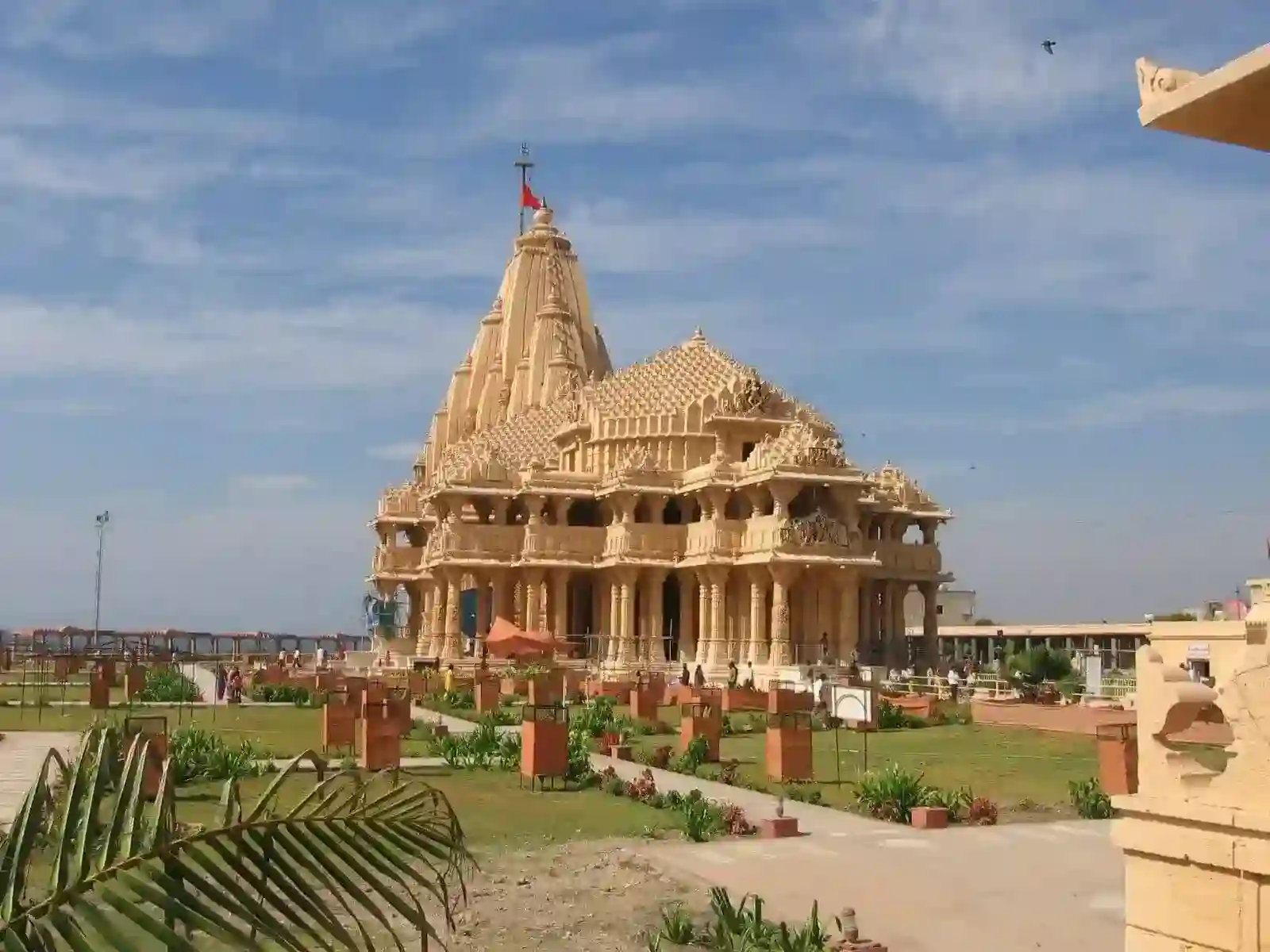
Experience a profound journey through the heart of Gujarat with our meticulously crafted dwarka somnath gir tour package. This comprehensive itinerary bridges the gap between divine spirituality and raw natural beauty. Starting from the sacred shores of Dwarka, moving to the eternal flame of Somnath, and concluding in the rugged wilderness of Sasan Gir, this trip offers a soul-stirring escape. Whether you are a devotee seeking blessings at the Jagat Mandir or an adventurer hoping to spot the majestic Asiatic lion, this circuit promises an enriching experience that stays with you long after the journey ends.
Planning Your Pilgrimage to the Abode of Lord Krishna
Dwarka, the ancient kingdom of Lord Krishna, serves as the spiritual gateway of this circuit. As one of the primary Char Dham sites, the Gomti River banks resonate with chants and bells. The Dwarkadhish Temple, a five-storied limestone marvel, stands as a testament to 2,500 years of history. Visitors often find themselves mesmerized by the massive flag, or “Dhvaj,” which is changed five times a day and flutters magnificently against the Arabian Sea breeze.
Beyond the main temple, a short boat ride takes you to Bet Dwarka. It is believed that this island was the actual residence of the Lord. The serenity of the blue waters during the ferry crossing provides a moment of quiet reflection before entering the bustling temple complex. Nageshwar Jyotirlinga, located on the route, adds further spiritual depth to the itinerary, housing one of the twelve self-existent Jyotirlingas in India.
The Eternal Splendor of the Somnath Shore Temple
Moving south along the coastline, the atmosphere shifts from the playful legends of Krishna to the powerful presence of Lord Shiva at Somnath. Known as the “Shrine Eternal,” this temple has been destroyed and rebuilt multiple times, symbolizing the triumph of faith over time. The current Chalukya-style architecture, with its intricate carvings and towering shikhara, overlooks the vast expanse of the ocean.
The evening Sound and Light show at Somnath is a mandatory highlight. It narrates the story of the temple’s resilience through the ages, narrated by the sea itself. Walking along the beach promenade at sunset, with the temple illuminated in golden hues, creates a powerful emotional connection. Nearby, the Triveni Sangam—the confluence of three rivers—offers a peaceful spot for holy dips and ancestral rites, marking a significant milestone in any Gujarat spiritual circuit.
Into the Wild Habitat of the Asiatic Lions in Gir
Transitioning from temple bells to the calls of the wild, Sasan Gir presents a dramatic change in scenery. This is the only place on Earth where the Asiatic lion roams free in its natural habitat. The dry deciduous forests and teak-laden trails of Gir National Park provide an authentic safari experience. Early morning safaris are highly recommended, as the predators are most active during the cooler hours.
While the lions are the primary attraction, the park is a biodiversity hotspot. You may encounter leopards, sambar deer, chital, and over 300 species of birds. The Kamleshwar Dam within the sanctuary is famous for its large population of marsh crocodiles. Staying at an eco-resort near the periphery of the park allows travelers to experience the rustic charm of the Maldhari tribal culture, who have lived in harmony with the lions for generations.
Essential Travel Logistics for a Seamless Gujarat Trip
Navigating this circuit requires careful coordination between the three distinct hubs. Typically, Rajkot or Ahmedabad serve as the entry points for travelers. From Rajkot, Dwarka is a comfortable four-to-five-hour drive. The roads in Gujarat are exceptionally well-maintained, making the transit between cities a pleasant part of the vacation.
To make the most of the wildlife segment, booking safari permits well in advance is crucial, especially during peak months from November to March. The park remains closed during the monsoon season (mid-June to mid-October), so timing is everything. For the temple visits, dressing modestly is required, and carrying a light shawl is helpful as coastal evenings can get slightly chilly.
Cultural Experiences and Local Flavors of Saurashtra
A trip through Saurashtra is incomplete without indulging in the local culinary heritage. The traditional Gujarati Thali in this region is distinct, featuring spicy “Lasaniya Bataka” (garlic potatoes), “Bajra no Rotlo” (pearl millet flatbread), and sweet “Shrikhand.” In Dwarka, don’t miss the chance to try the local “Masala Khichdi,” which is both comforting and flavorful.
Shopping in these regions offers a glimpse into local craftsmanship. Dwarka is known for its brass idols and beadwork, while the areas around Gir often feature traditional “Patola” silk influences and “Bandhani” fabrics. Engaging with local artisans not only provides you with unique souvenirs but also supports the rural economy that sustains these historic landmarks.
Best Time to Visit and Weather Considerations
The ideal window to undertake this journey is between October and March. During these months, the weather is pleasant, with temperatures ranging from 15°C to 30°C. This climate is perfect for long hours of temple hopping and the open-jeep safaris in Gir. Summers can be quite harsh, with temperatures soaring above 40°C, which makes outdoor activities taxing.
Monsoons bring a lush green transformation to the landscape, especially in the Gir region. However, the national park stays shut, and sea conditions can be rough for boat trips to Bet Dwarka. If you prefer a quiet, contemplative trip and don’t mind the heat, the shoulder seasons of late September or early April can offer fewer crowds and better deals on heritage stays.
Understanding the Spiritual Significance of the Jyotirlinga
The inclusion of both Nageshwar and Somnath in one circuit is a rare blessing for devotees. These two Jyotirlingas represent different aspects of Shaktism and Shaivism. Somnath represents the moon god’s devotion, while Nageshwar signifies protection from all poisons and evils. The ritual of performing “Abhishek” at these shrines is a deeply personal experience for many.
The architectural layout of these temples follows ancient Vastu Shastra principles, designed to channel positive energy. Even for non-religious travelers, the mathematical precision of the stone carvings and the strategic coastal locations provide a fascinating study of ancient Indian engineering. The sense of peace found within the sanctum sanctorum provides a stark, beautiful contrast to the chaotic energy of modern urban life.
Maximizing Your Time with a Well Structured Itinerary
To truly soak in the essence of these locations, a minimum of five to six days is recommended. Devote two days to Dwarka to include visits to Rukmini Devi Temple and the various “ghats.” One day is usually sufficient for Somnath, allowing time for the evening show. Finally, two days in Gir ensure you have at least two safari opportunities, increasing your chances of a lion sighting.
If you have extra time, consider adding a stop at Porbandar, the birthplace of Mahatma Gandhi. Kirti Mandir and the Sudama Temple are located halfway between Dwarka and Somnath, making it a convenient and culturally relevant addition. This ensures that your travel plan covers history, spirituality, and ecology in a balanced manner.
Safety Tips and Respectful Tourism Practices
Gujarat is known for being one of the safest states for travelers in India. However, basic precautions like carrying bottled water and avoiding secluded areas late at night are wise. In Gir, it is imperative to follow forest department guidelines: do not feed animals, do not litter, and maintain silence during the safari. Respecting the sanctity of the temples by following photography restrictions is also essential.
The locals are generally warm and helpful. Learning a few basic Gujarati phrases can go a long way in building a rapport with shopkeepers and drivers. Using eco-friendly products and minimizing plastic waste helps preserve the delicate balance of the coastal and forest ecosystems you are visiting.
Final Thoughts on the Ultimate Gujarat Circuit
This journey is more than just a vacation; it is a transition through different eras of Indian history. From the mythological foundations of the Bronze Age in Dwarka to the medieval resilience of Somnath and the prehistoric wildness of Gir, every kilometer tells a story. It challenges the mind and calms the heart, offering a unique perspective on India’s diverse heritage.
As you conclude your holiday, the memories of the golden temple spires and the kingly roar of the lion will linger. For those who have found peace in these sacred lands and are looking for their next great spiritual mountain challenge, looking into kailash mansarovar yatra tour packages can be the perfect next step in your journey of faith. Whether you are returning home or planning your next adventure, the impact of this dwarka somnath gir tour package ensures a refreshed spirit and a collection of stories that will be told for years to come.

Introduction
Nestled in the scenic countryside of southeast England, Fowlmead Kent in Kent is a remarkable example of environmental transformation and sustainable recreation. Located near the coastal town of Deal, this park has evolved from an industrial past into a thriving natural and leisure destination. Today, it is widely known as Betteshanger Park, offering a rich blend of outdoor activities, wildlife habitats, and educational experiences.
Fowlmead is not just a park—it is a symbol of regeneration. Built on the former spoil tip of a coal mine, the site has been transformed into a vibrant green space that attracts families, cyclists, nature lovers, and tourists alike. With its expansive landscapes, diverse ecosystems, and modern recreational facilities, Fowlmead has become one of Kent’s most popular outdoor destinations.
History and Transformation
The story of Fowlmead begins with the former Betteshanger Colliery, one of the largest coal mines in the region. After the mine closed in 1989, the land was left as a spoil heap—essentially a large mound of mining waste. Over time, a major regeneration project was launched to convert this industrial site into a country park.
The park officially opened in 2007 as Fowlmead Country Park, named after the historic “Foulmead Marsh,” with “Fowlmead” meaning “bird meadow.” The project involved extensive landscaping, including planting thousands of trees and creating habitats for wildlife.
In 2015, the park was rebranded as Betteshanger Park as part of a broader redevelopment initiative focusing on sustainability, education, and heritage.
Location and Accessibility
Fowlmead is situated along the A258 between Deal and Sandwich in Kent. The park is easily accessible by road, cycling routes, and public pathways. It connects to nearby communities through bridleways and trails, making it a convenient destination for both locals and visitors.
Key Features and Attractions
1. Cycling Facilities
One of Fowlmead’s standout features is its cycling infrastructure. The park boasts a two-mile tarmac cycling track, suitable for both beginners and experienced riders.
Additionally, there are mountain biking trails and BMX areas, making it a hub for cycling enthusiasts.
2. Walking and Nature Trails
The park offers a network of well-maintained walking paths that wind through woodlands, wetlands, and open meadows. These trails provide stunning views and a peaceful escape into nature.
3. Wildlife and Conservation
Fowlmead is home to a wide variety of wildlife, including birds, mammals, and rare plant species. Its diverse habitats—such as reed beds, ponds, and grasslands—support biodiversity and conservation efforts.
Birdwatchers, in particular, will find the park a haven for spotting species like skylarks and kingfishers.
4. Family-Friendly Activities
Families can enjoy playgrounds, picnic areas, and adventure activities. The park frequently hosts educational programs, children’s events, and outdoor learning experiences.
5. Water Features and Lakes
Fowlmead Lake is a central attraction, offering opportunities for relaxation, photography, and wildlife observation. Boardwalks allow visitors to explore wetland areas safely.
Outdoor Activities
Fowlmead is designed for active recreation. Visitors can take part in:
- Cycling and BMX riding
- Walking and hiking
- Orienteering and geocaching
- Archery and outdoor sports
- Fossil hunting in designated areas
These activities make the park suitable for schools, groups, and adventure seekers.
Environmental Importance
One of the most impressive aspects of Fowlmead is its environmental impact. The park demonstrates how degraded industrial land can be restored into a thriving ecosystem. The site now supports protected species, including birds, bats, and other wildlife, contributing to regional biodiversity.
The regeneration project also included sustainable practices such as habitat creation, renewable energy initiatives, and educational programs focused on environmental awareness.
Nearby Attractions
Visitors to Fowlmead can explore several nearby attractions in Kent:
- Deal Castle – A historic coastal fortress built by Henry VIII
- Walmer Castle – Known for its beautiful gardens
- White Cliffs of Dover – Famous for breathtaking views
These sites make the area ideal for a full day or weekend trip.
Why Visit Fowlmead Kent?
Fowlmead offers something for everyone:
- Nature lovers can enjoy rich wildlife and scenic landscapes
- Adventure seekers can take advantage of cycling and outdoor sports
- Families can relax in a safe, fun environment
- Students and researchers can learn about sustainability and conservation
Its transformation from a coal mining site to a green paradise makes it a unique and inspiring destination.
Conclusion
Fowlmead Kent, now known as Betteshanger Park, stands as a powerful example of environmental renewal and community development. From its industrial roots to its current status as a leading country park, it reflects the potential of sustainable land use and thoughtful planning.
Whether you’re looking for outdoor adventure, peaceful nature walks, or a family day out, Fowlmead is a must-visit destination in Kent.

Introduction
Air travel is widely considered one of the safest forms of transportation in the world. Aircraft manufacturers follow strict engineering standards, and airlines operate under intense regulatory oversight. However from time to time, certain aircraft models attract public attention due to technical problems, operational challenges, or high-profile incidents. This is why many travelers search online for which Boeing planes to avoid when planning a flight.
One of the largest aircraft manufacturers in the world is . For decades, Boeing has produced many successful aircraft that dominate global aviation fleets. Models like the , , and have carried millions of passengers safely across the world.
Despite this strong reputation, certain Boeing aircraft models have faced criticism or increased scrutiny. This article explores which Boeing planes travelers sometimes worry about, why those concerns exist, and how to make informed decisions when flying.
Understanding Aviation Safety Before Judging Aircraft
Before discussing specific aircraft models, it is important to understand how aviation safety works. Modern commercial aircraft undergo years of testing, certification, and continuous monitoring before they carry passengers. Regulators such as the and the set strict standards that aircraft manufacturers and airlines must follow.
Even when issues arise, aircraft are usually grounded, modified, or inspected until regulators are satisfied that they are safe. This process can involve software updates, mechanical redesigns, and new pilot training procedures. Because of this strict system, flying remains extremely safe compared to other forms of travel.
Another key factor is that pilot training and airline maintenance play a major role in safety. The same aircraft model can perform very differently depending on how well it is maintained and operated. This means that the airline itself often matters just as much as the aircraft model.
Therefore, when people ask which Boeing planes to avoid, the answer is rarely simple. Most aircraft that have experienced issues have since been improved, updated, and cleared for service.
The Boeing 737 MAX: The Most Discussed Aircraft
The aircraft that receives the most attention in discussions about problematic Boeing planes is the . This modern version of the Boeing 737 family was designed to be more fuel-efficient and competitive with newer aircraft models.
However, the aircraft became controversial after two tragic accidents involving the in 2018 and 2019. Investigations revealed issues related to a flight control system called MCAS (Maneuvering Characteristics Augmentation System). The system was designed to automatically adjust the aircraft’s nose position in certain situations, but incorrect sensor data triggered it unexpectedly.
As a result, aviation authorities around the world temporarily grounded the entire 737 MAX fleet. During this period, Boeing worked with regulators to redesign the system, improve pilot training, and introduce additional safeguards.
After extensive testing and certification reviews, the aircraft returned to service. Today, airlines operate the updated version with improved safety protocols. While some passengers still feel uneasy about flying on it, aviation regulators have approved the aircraft for commercial flights again.
Older Boeing 737 Models and Aging Aircraft
Another topic that appears in discussions about which Boeing planes to avoid is older versions of the Boeing 737 family. These include aircraft such as the and early variants of the .
These aircraft are not inherently unsafe. In fact, many have operated successfully for decades. However, older planes may sometimes concern passengers because they have higher flight hours and older technology compared to modern aircraft.
Airlines that operate aging aircraft must follow strict inspection schedules. Components are replaced regularly, and aircraft are retired if they no longer meet safety requirements. In many cases, older aircraft can still perform safely as long as they are maintained properly.
That said, some travelers prefer newer aircraft simply because they offer modern safety systems, quieter cabins, and improved fuel efficiency. Choosing a newer aircraft model can sometimes provide extra peace of mind, even though older models are still certified to fly safely.
The Boeing 787 Battery Issue
Another Boeing aircraft that received global attention was the . This aircraft introduced several advanced technologies, including lightweight composite materials and powerful lithium-ion batteries.
Shortly after the aircraft entered service, a few battery overheating incidents were reported. These incidents led aviation authorities to temporarily ground the aircraft while engineers investigated the cause.
The solution involved redesigning the battery system with better insulation, improved containment systems, and additional monitoring features. After these modifications, the aircraft returned to service and continues to operate worldwide.
Today, the is widely regarded as one of the most comfortable long-haul aircraft. It offers larger windows, improved cabin humidity, and quieter engines, making it popular among passengers.
Media Attention vs. Real Risk
One reason some Boeing aircraft models receive negative attention is the power of media coverage. Aviation incidents tend to dominate news headlines because they involve many passengers and dramatic circumstances.
However, it is important to remember that millions of flights occur safely every year. Even aircraft models that experienced problems in the past usually undergo thorough redesigns and safety checks before returning to service.
Statistically, the aviation industry continues to improve safety standards every year. Aircraft accidents are extremely rare compared to the number of flights that take place globally.
Because of this, experts often recommend focusing less on specific aircraft models and more on choosing reputable airlines with strong safety records.
How Passengers Can Check Aircraft Types Before Flying
If you are still concerned about which aircraft you will be flying on, there are several simple ways to check before your trip.
Many flight booking websites and airline apps display the aircraft type for each flight. This information allows passengers to see whether they will be flying on a , a , or another aircraft model.
Websites like airline fleet databases and flight tracking platforms also provide detailed aircraft information. Some travelers use these tools to compare cabin layouts, seat configurations, and aircraft age.
However, keep in mind that airlines sometimes change aircraft assignments due to operational reasons. This means the aircraft listed during booking may not always be the final one used for the flight.
Should You Actually Avoid Certain Boeing Planes?
In reality, aviation experts generally agree that no currently certified Boeing aircraft should be considered unsafe. Every aircraft operating commercially must meet strict regulatory requirements before carrying passengers.
While certain models have experienced technical challenges in the past, those issues usually lead to engineering improvements that make aircraft even safer. Aviation history shows that safety regulations often become stronger after problems are discovered and corrected.
Instead of avoiding specific Boeing aircraft, travelers may benefit more from focusing on airlines known for excellent pilot training, strong maintenance programs, and modern fleets.
Air travel safety depends on many factors, including maintenance standards, airport infrastructure, and crew training. Aircraft design is just one piece of a much larger system that keeps passengers safe.
Final Thoughts
The search for which Boeing planes to avoid often comes from understandable concerns about safety. News reports, social media discussions, and past incidents can make certain aircraft models appear risky to travelers.
However, the aviation industry operates under extremely strict safety regulations. Aircraft such as the and the have undergone extensive reviews, engineering improvements, and regulatory approval before returning to service.
For most passengers, the reality is simple: commercial aviation remains incredibly safe. Rather than worrying too much about specific aircraft models, it is often better to choose reputable airlines, follow flight safety instructions, and enjoy the journey.
Understanding how aircraft are designed, tested, and regulated can help travelers feel more confident when boarding their next flight. In the end, aviation safety is built on decades of engineering progress, strict oversight, and continuous improvement.

Microsoft Dynamics Implementation Services for Digital Business Growth in UAE

Eclipse Blinds: Transforming Homes with Stylish Window Treatments in Knoxville TN

The Variable Sample Size Problem: Why RADV Audits Are Harder to Predict Than Ever

هنتاوي.com: A Guide to Safe and Responsible Online Browsing

How to buy Steroids with Credit Card?
