
Business
TotallyNDFW: Smart Digital Breaks for Modern Workers

Introduction
The modern workplace has changed dramatically. We’re working from kitchen tables, checking emails at midnight, and attending Zoom meetings in sweatpants. With these blurred boundaries between work and personal life, a new concept has emerged that’s reshaping how we think about digital content during work hours—totallyndfw, which stands for “Totally Not Designed for Work.”
Before you assume this is about slacking off, let me be clear: totallyndfw isn’t about avoiding work. It’s about understanding that strategic, work-safe entertainment breaks can actually make you more productive, creative, and mentally balanced. This guide explores what totallyndfw means, why it matters, and how you can use it to improve your workday without compromising professionalism.
Understanding What TotallyNDFW Really Means
The term totallyndfw is a clever play on the internet’s well-known “NSFW” (Not Safe for Work) label. However, instead of warning you away from inappropriate content, totallyndfw celebrates content that’s perfectly safe to view at work but serves no professional purpose. Think funny memes, quick quiz games, satisfying videos, or lighthearted articles—content designed purely for enjoyment.
According to recent definitions, totallyndfw represents “a category of online platforms that deliver content purely for personal enjoyment, creativity, exploration, humor, or casual browsing—not for formal or workplace use.” The key distinction here is that while the content isn’t work-related, it’s also not inappropriate or risky to view in professional settings.
This concept emerged naturally as remote work became mainstream. When your office is your living room and your commute is thirty seconds, the rigid separation between work time and personal time dissolves. The totallyndfw philosophy recognizes this reality and offers a middle ground—content that gives your brain a break without creating awkward situations if your boss walks by (virtually or physically).
Why TotallyNDFW Content Gained Popularity
Several cultural and technological shifts have made totallyndfw content increasingly relevant and popular. The remote work revolution that accelerated during 2020 fundamentally changed how we interact with digital spaces. Suddenly, millions of people needed ways to break up their workday that didn’t involve walking to the break room or chatting with colleagues by the water cooler.
Key factors driving totallyndfw’s rise:
- Microbreak culture: Research shows that short breaks improve focus and prevent burnout
- Platform evolution: TikTok, Instagram Reels, and YouTube Shorts deliver entertainment in bite-sized formats
- Digital wellness awareness: Companies recognize that constant productivity isn’t sustainable
- Hybrid work norms: Clear boundaries help people navigate working from anywhere
The movement gained traction as “tech bloggers and digital creators started tagging such posts as TotallyNDFW—playful, shareable, and aligned with workplace norms,” spreading through platforms like Reddit, TikTok, Slack, and Discord. What started as informal internet slang has evolved into a legitimate category of content creation and consumption.
The Science Behind Strategic Breaks
Understanding why totallyndfw content works requires looking at the psychology of attention and productivity. Your brain isn’t designed for eight straight hours of focused work. Cognitive science consistently shows that attention naturally wavers after 60-90 minutes of concentrated effort.
Taking intentional breaks—especially ones involving humor or light entertainment—provides several benefits:
Mental refresh: Stepping away from work tasks allows your conscious mind to rest while your subconscious continues processing problems. Many people report their best ideas coming during these mental breaks.
Stress reduction: Laughter and light entertainment trigger the release of endorphins, your brain’s natural feel-good chemicals. Even a 30-second funny video can shift your mood and reduce cortisol levels.
Improved focus: Paradoxically, taking breaks helps you concentrate better when you return to work. The totallyndfw approach gives you permission to step away guilt-free because the content is work-appropriate.
Enhanced creativity: Exposing yourself to random, unrelated content can spark unexpected connections and creative solutions to work challenges.
The key is that totallyndfw content provides these benefits without the risks associated with truly inappropriate content or extended procrastination sessions.
What Counts as TotallyNDFW Content?
The beauty of totallyndfw is its diversity. The category encompasses various content types that share one common trait: they’re entertaining, harmless, and completely safe to view in any professional setting.
Popular TotallyNDFW Categories
Wholesome memes and humor:
- Office life jokes that everyone can relate to
- Animal videos showcasing pets being adorable (but not doing anything inappropriate)
- Clever wordplay and puns
- Observational humor about everyday situations
Quick entertainment:
- Satisfying videos (oddly mesmerizing content like perfect loops or ASMR)
- Short comedy sketches under two minutes
- Feel-good news stories
- Interesting facts or “today I learned” content
Interactive content:
- Personality quizzes that don’t get too personal
- Word games and puzzles
- “Which character are you?” assessments
- Trivia challenges
Creative inspiration:
- Time-lapse art videos
- DIY craft ideas
- Photography showcases
- Design inspiration boards
The totallyndfw label essentially means “safe enough to open during a Zoom call” but “fun enough to give your brain a real break.”
TotallyNDFW vs. Traditional Break Activities
How does consuming totallyndfw content compare to other break activities? Let’s look at the differences:
Compared to social media scrolling: Totallyndfw content is more intentional and curated. Instead of falling down a two-hour Instagram rabbit hole, you’re choosing specific, brief entertainment that has a natural endpoint.
Compared to coffee breaks: Physical breaks are valuable, but sometimes you need a mental shift without leaving your desk. Totallyndfw content provides that instant mental vacation without requiring you to physically move.
Compared to news websites: News can be important but often stressful or distracting. Totallyndfw content focuses on entertainment and positivity, giving your mind a true break rather than loading it with more information to process.
Compared to actual NSFW content: This is the most obvious distinction. Totallyndfw content carries zero professional risk. You can enjoy it openly without worrying about screen sharing accidents or someone glancing at your monitor.
How to Incorporate TotallyNDFW Into Your Workday
Successfully using totallyndfw content requires intentionality. The goal is strategic breaks, not endless procrastination. Here’s how to make it work:
Set Clear Time Boundaries
Use the Pomodoro Technique or similar time management methods. Work for 25-50 minutes, then take a 5-10 minute break with totallyndfw content. Setting a timer prevents “just one more video” from turning into an hour of scrolling.
Create a Curated List
Bookmark your favorite totallyndfw sources so you’re not wasting break time searching for content. Having a go-to list of quick entertainment makes breaks more efficient and satisfying.
Recommended totallyndfw sources:
- Specific subreddits focused on wholesome content
- YouTube channels specializing in short, satisfying videos
- News aggregators with feel-good story sections
- Quiz and game websites with quick play options
Be Mindful of Your Energy Levels
Use totallyndfw content strategically based on your energy. Need a mood boost? Funny videos work wonders. Feeling mentally foggy? Satisfying visual content can reset your focus without requiring active thinking.
Communicate Your Boundaries
If you work with a team, normalize the concept of intentional breaks. Share funny totallyndfw content in team chats to build culture and give others permission to take breaks too. This creates a healthier work environment for everyone.
Benefits for Remote and Hybrid Workers
The totallyndfw concept is particularly valuable for people working from home or in hybrid arrangements. When your office is also your living space, maintaining boundaries becomes crucial for both productivity and mental health.
Replacing office social interactions: In traditional offices, brief chats with colleagues provide natural mental breaks. For remote workers, totallyndfw content can partially fill this gap, offering moments of levity throughout the day.
Combating isolation: Even when you’re physically alone, engaging with entertaining content creates a sense of connection to the broader world and culture. Sharing totallyndfw finds with remote teammates builds camaraderie.
Maintaining work-life separation: Paradoxically, allowing yourself totallyndfw breaks during work hours can help you stop working more effectively. When you give yourself permission for entertainment during designated break times, you’re less likely to blur boundaries by working during personal time.
Managing video call fatigue: Between back-to-back Zoom meetings, a quick totallyndfw break helps reset your energy and prevents the exhaustion that comes from constant video conferencing.
Common Mistakes to Avoid
Even with work-safe content, there are pitfalls to watch out for when incorporating totallyndfw into your routine:
The endless scroll trap: Just because content is work-appropriate doesn’t mean unlimited consumption is wise. Set clear time limits and stick to them.
Ignoring workplace culture: While totallyndfw content is technically safe, some workplace cultures are stricter than others. Read the room and adjust accordingly.
Breaking flow states: If you’re deep in focused work and making great progress, don’t interrupt yourself just because “it’s break time.” Let your natural productivity rhythms guide you.
Using breaks as avoidance: There’s a difference between strategic breaks and procrastination. If you find yourself reaching for totallyndfw content whenever you face a challenging task, that’s avoidance, not refreshment.
Neglecting other break types: Digital breaks have their place, but don’t forget the value of physical movement, face-to-face conversations, or simply closing your eyes for a few minutes.
The Future of TotallyNDFW
As work continues evolving, the totallyndfw concept will likely expand and mature. We’re already seeing platforms specifically designed around work-safe entertainment breaks, with features like automatic timers and curated content feeds optimized for different break lengths.
Artificial intelligence might personalize totallyndfw experiences, learning what types of content best refresh your particular brain at different times of day. Imagine a break assistant that knows you need satisfying visual content at 2 PM but respond better to humor at 11 AM.
Some forward-thinking companies are even incorporating totallyndfw principles into their culture, providing employees with curated entertainment options and explicitly encouraging strategic breaks. This represents a significant shift from traditional productivity culture that viewed any non-work activity as wasted time.
The wellness industry is also taking notice. Apps that promote digital wellbeing increasingly include totallyndfw content as part of their offerings, recognizing that complete digital detox isn’t realistic for most modern workers. Instead, they’re helping people engage with technology in healthier, more balanced ways.
Final Thoughts on Smart Digital Breaks
The totallyndfw movement represents something important about modern work culture—a recognition that productivity and humanity aren’t opposites. Taking time for lighthearted entertainment during your workday isn’t lazy; it’s strategic self-care that supports sustained performance and mental health.
The key is approaching totallyndfw content with intention. Know why you’re taking a break, set boundaries around it, and choose content that genuinely refreshes you rather than just filling time. When used thoughtfully, these work-safe entertainment breaks can transform your relationship with both work and digital content.
In our always-on, perpetually connected world, the permission to enjoy something purely for fun—without professional purpose but without professional risk—is surprisingly radical. Totallyndfw gives us that permission, wrapped in a framework that respects both our need for joy and our professional responsibilities.
So the next time you need a mental break, don’t feel guilty about watching that satisfying pottery video or taking a quick personality quiz. As long as it’s truly totallyndfw, you’re not slacking off—you’re practicing smart, sustainable productivity.




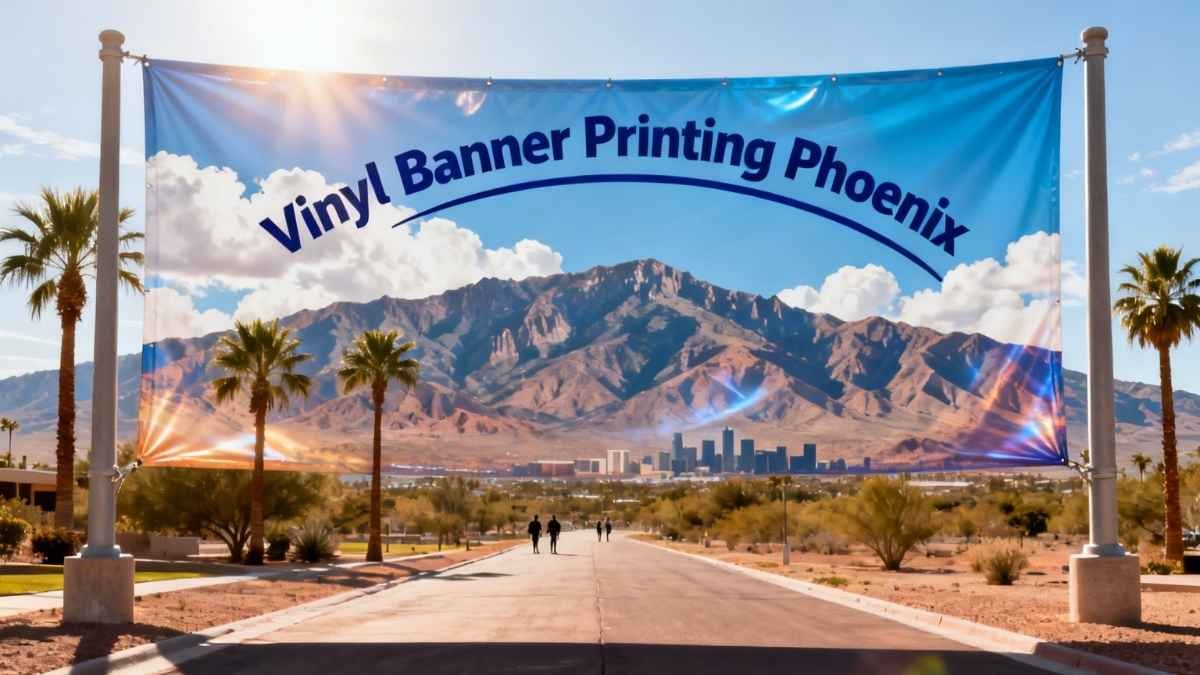
In a competitive market like Phoenix, businesses need strong and affordable marketing solutions to stand out. One of the most effective promotional tools available is vinyl banners. With Vinyl Banner Printing Phoenix, companies can create bold, durable, and eye-catching signage that attracts attention and drives customer engagement. Whether you are promoting a grand opening, seasonal sale, corporate event, or community gathering, vinyl banners offer a versatile and cost-effective advertising solution.
Why Vinyl Banners Are Ideal for Phoenix Businesses
Phoenix is known for its bright sunshine, high temperatures, and occasional dust storms. Marketing materials used outdoors must withstand these challenging weather conditions. Professional Vinyl Banner Printing Phoenix services use high-quality, weather-resistant vinyl materials designed to endure UV exposure and heat without fading or cracking.
Vinyl banners are also lightweight and flexible, making them easy to transport and install. Businesses can use them indoors or outdoors depending on their promotional needs.
Cost-Effective Marketing with Long-Term Impact
Compared to digital ads, billboards, or television campaigns, vinyl banners are extremely affordable while still delivering strong visibility. Once printed, a banner can be reused multiple times for recurring promotions or events. This makes Vinyl Banner Printing Phoenix an excellent return on investment for small and large businesses alike.
Because banners can be displayed in high-traffic areas, storefronts, trade shows, and events, they provide continuous exposure without recurring advertising fees.
Custom Design Options
One of the biggest advantages of vinyl banners is customization. Businesses can design banners in various sizes, colors, and layouts to match their branding. Professional Vinyl Banner Printing Phoenix providers typically offer:
- Custom sizes for indoor and outdoor use
- High-resolution graphic printing
- Logo integration
- Bold, easy-to-read typography
- Double-sided printing options
Working with experienced designers ensures your message is clear, professional, and visually appealing.
Popular Uses for Vinyl Banners
Vinyl banners are versatile and suitable for a wide range of applications in Phoenix, including:
Retail Promotions
Announce discounts, new arrivals, or seasonal sales.
Grand Openings
Attract foot traffic with bold promotional signage.
Trade Shows and Events
Enhance booth visibility and brand recognition.
Real Estate Marketing
Promote property listings and open houses.
Construction Site Branding
Display company logos and project information.
Businesses across industries rely on Vinyl Banner Printing Phoenix to strengthen their local presence.
Finishing and Installation Options
Professional printing companies offer several finishing options to improve durability and ease of installation. These may include:
- Reinforced hems
- Metal grommets for hanging
- Pole pockets
- Mesh materials for windy areas
- Retractable banner stands
Choosing the right finishing options ensures your banner remains secure and professional-looking during use.
Design Tips for Maximum Impact
To make your banner more effective, keep these tips in mind:
- Use large, bold fonts that are readable from a distance
- Keep the message concise and clear
- Use high-contrast colors for visibility
- Include a strong call-to-action
- Add contact details or website information
- A simple and focused design often performs better than cluttered layouts.
Conclusion
Vinyl banners remain one of the most reliable and impactful marketing tools for businesses in Phoenix. With professional Vinyl Banner Printing Phoenix services, you can create durable, weather-resistant, and visually striking signage that captures attention and supports your marketing goals. Whether for short-term promotions or long-term branding, vinyl banners offer flexibility, affordability, and lasting value for any business looking to grow its presence in the Phoenix market.

Thinking about setting up a business in Dubai that can trade freely across the UAE? A mainland trade license is often the best pick. It lets you open shops, sell to locals, and work with government offices without limits. Many entrepreneurs love this freedom in 2026.
If you are looking into dubai mainland company formation, understanding the license types, costs, and any restrictions is key. This post breaks it down in easy words. We draw from real setups we have helped with over the years. Dubai Business & Tax Advisors has guided many clients through mainland licenses. We know the current rules from the Department of Economy and Tourism (DET). Let’s dive in.
What Is a Mainland Trade License?
A mainland trade license comes from DET. It allows your company to operate in Dubai’s normal areas and across the UAE. You can trade, provide services, or make goods anywhere.
Unlike free zones, the mainland has no borders for your business. You reach local customers direct. This is great for shops, restaurants, consulting, or import-export that needs UAE sales.
In 2026, most activities allow 100% foreign ownership. This change made the mainland very popular. You keep full control and all profits.
Main Types of Mainland Trade Licenses
DET offers a few main license types. Each fits different work.
Commercial License
This one is for trading. You buy and sell goods.
It covers:
- General trading
- Import and export
- Wholesale
- Retail shops
- Distribution
Pick this if you sell products. Many use it for e-commerce too, with a physical base.
It is one of the most common. You can add many activities under one license.
Professional License
This is for services. No goods trading here.
It includes:
- Consulting
- IT services
- Design
- Marketing
- Legal or accounting help
- Management advice
Great for experts or freelancers who want a company. You need less space often. But a real office is still required.
Industrial License
This fits making things.
It covers:
- Manufacturing
- Assembly
- Processing
- Factories
You need bigger space and sometimes extra approvals. Like from environment or safety offices.
This license costs more due to rules.
Other special ones exist too. Like tourism for hotels or travel. Or crafts for small making. But most people use commercial, professional, or industrial.
From our experience, pick the one that matches your main work. Add extras if needed. Wrong type means changes later, which cost time and money.
Costs of Mainland Trade Licenses in 2026
Costs vary. They depend on license type, activities, office, and visas.
Here is a clear breakdown for 2026.
Basic Government Fees
- Trade name reservation: AED 620 to AED 2,000.
- Initial approval: AED 100 to AED 1,000.
- License issuance: AED 10,000 to AED 20,000 for most.
- Commercial: Often AED 10,000–20,000.
- Professional: AED 10,000–18,000.
- Industrial: AED 15,000–25,000 or more.
Add fees for knowledge, innovation, and chamber membership. Around AED 1,000–3,000 extra.
Office Space (Mandatory)
You need a real office with Ejari contract.
- Small office: AED 15,000–30,000 per year.
- Bigger or better location: AED 40,000+.
Some start with shared space to save.
Visas and Other Costs
- Each visa: AED 3,000–7,000 (medical, ID, stamping).
- MOA and notary: AED 1,000–5,000.
- PRO help (if used): AED 5,000–10,000.
Total first-year cost: Often AED 25,000 to AED 80,000. Basic setup with one visa around AED 40,000–60,000. Industrial or many visas push it higher.
Renewal each year: Lower, around AED 10,000–30,000. Plus office and visa renewals.
Dubai Business & Tax Advisors helps clients plan budgets. We avoid extra fees. One client set up a commercial license for trading. The total first cost was AED 45,000. They saved by picking the right office.
Costs stay steady in 2026. No big jumps noted.
Restrictions and Rules to Know
Mainland has few limits now. But some exist.
Ownership Restrictions
Most activities allow 100% foreign ownership. Over 1,000 types.
But some need local partner or special okay:
- Security and defense
- Banks and finance
- Insurance
- Telecommunications
- Some military-related
Check the DET list before you start. For most traders or services, no issue.
Activity Restrictions
Your license limits what you do. Stick to approved activities.
Some need extra permits:
- Health: From health authority.
- Education: From KHDA.
- Tourism: From DTCM.
- Food: From the municipality.
Industrial needs factory approvals.
You must have a real office. No full virtual.
Other Rules
- Physical presence: Some work needs it.
- Local trading: Full access, no agents needed.
- Taxes: Corporate tax 9% on profits over limit. VAT if sales are high.
Follow rules to keep the license clean.
From years of work, we see most people face no big restrictions. Plan well and check approvals early.
How to Choose the Right License Type
Think about your business.
- Sell goods? Go commercial.
- Give advice or tech help? Professional.
- Make products? Industrial.
List your activities. See what DET allows.
Match to market. Mainland suits local sales best.
Talk to experts. We at Dubai Business & Tax Advisors review ideas free often. We match type to goals.
Benefits That Make Mainland Worth It
Despite the costs, the benefits are big.
- Trade anywhere in the UAE.
- Bid on government contracts.
- Open in any area.
- 100% ownership for most.
- Easy visas for team and family.
Many clients grow fast here. One started a shop with a commercial license. Now has branches across Dubai.
Common Questions About Mainland Licenses
What is the cheapest license?
Professional often lowest. Around AED 10,000–15,000 base.
Do I need a local sponsor?
No for most now. Only restricted fields.
Can I change license type later?
Yes, but it costs and takes time.
Are there hidden costs?
Office and visas add up. Plan for them.
How long to get license?
1–4 weeks if papers ready.
Final Thoughts on Mainland Trade Licenses
A mainland trade license opens doors wide in Dubai. Pick commercial for trade, professional for services, or industrial for making. Costs start fair, around AED 25,000–80,000 first year. Restrictions are few for most.
In 2026, rules favor foreign owners. Dubai stays business-friendly.
At Dubai Business & Tax Advisors, we have seen many successes. From small services to big traders. We handle papers, check restrictions, and keep costs low.
Ready to get your mainland license? Reach out. We can check your activity and give exact numbers. Your Dubai business can start strong. Let’s make it happen.
Introduction
In the vast landscape of language and digital culture, new words emerge constantly. Some originate from slang, others from brand concepts, usernames, or creative projects. One such intriguing term is jojse. At first glance, it may seem abstract or undefined, yet that very ambiguity opens the door to interpretation, branding potential, and creative identity.
In today’s digital-first world, unique words carry immense value. A short, memorable term like jojse can represent anything from a brand name to a personal alias, a tech startup, a design label, or even an artistic movement. Its strength lies in its flexibility.
In this article, we will take a deep dive into jojse—examining its potential meanings, branding power, linguistic appeal, creative possibilities, and how such distinctive terms thrive in modern culture. Whether you are exploring it as a concept, a brand, or simply out of curiosity, this guide offers a professional yet approachable analysis.
The Linguistic Appeal of Jojse
Language experts often emphasize the importance of phonetics in memorability. The term jojse stands out because of its short structure and rhythmic sound. The repetition of the “j” sound creates a distinctive auditory pattern that makes it easy to recall.
Short, five-letter words tend to perform well in digital environments. They are concise, visually balanced, and adaptable across platforms. Jojse fits neatly into usernames, brand identities, and domain structures without appearing cluttered.
Another interesting aspect is its neutrality. Jojse does not carry immediate cultural or linguistic baggage, which makes it versatile. It can be shaped and defined by context rather than confined by existing definitions.
Jojse as a Brand Identity
In the branding world, originality is everything. Companies invest significant effort into finding names that are unique, searchable, and flexible. A term like jojse checks many of those boxes.
Because it does not have a fixed meaning, jojse can be molded to represent various industries—technology, fashion, digital media, wellness, or creative arts. This adaptability is powerful in a competitive market.
From a professional branding perspective, distinctive names reduce confusion. They help businesses stand out in search results and social media feeds. Jojse, being uncommon, offers strong potential for digital visibility.
Digital Presence and Online Potential
The internet rewards uniqueness. Whether creating a startup, launching a blog, or building a personal brand, having a distinctive name simplifies online discovery. Jojse has the kind of brevity and originality that works well in digital spaces.
Search engine optimization often favors unique terms because they face less competition. If someone builds a website or brand around jojse, it becomes easier to dominate search results associated with that term.
Additionally, social media handles are easier to secure with uncommon words. In a crowded digital ecosystem, securing consistent branding across platforms is invaluable.
Creative Interpretations of Jojse
Creativity thrives on open-ended concepts. Jojse can be interpreted as an artistic persona, a design studio, a music project, or even a fictional character name. Its undefined nature invites imagination.
Writers might use jojse as a character in a novel or graphic story. Designers could shape it into a minimalist fashion label. Developers might turn it into an app or innovative tech platform.
This flexibility is not accidental. Many successful modern brands started with abstract names that gained meaning through consistent storytelling and quality execution.
Psychological Impact of Unique Names
Psychology plays a subtle role in how we perceive words. Unique terms often spark curiosity. When people encounter an unfamiliar word like jojse, they naturally want to understand its significance.
Curiosity drives engagement. From a marketing standpoint, intrigue encourages clicks, searches, and conversations. A distinctive name can serve as a conversation starter, which is valuable in brand building.
Moreover, uncommon names are easier to protect legally. Businesses often prefer original terms because they reduce the risk of trademark conflicts.
Jojse in the Context of Modern Trends
Modern culture embraces individuality. From custom usernames to personalized brands, people value distinct identity markers. Jojse aligns well with this trend toward uniqueness.
Minimalist branding is also popular. Short, clean words with no unnecessary complexity resonate strongly with contemporary audiences. Jojse embodies simplicity without being generic.
As technology advances and digital spaces expand, new words continue to emerge. Jojse fits naturally into this evolving linguistic landscape.
Turning Jojse into a Meaningful Concept
A word gains strength through narrative. If someone adopts jojse as a brand or creative identity, defining its values becomes crucial. What does jojse stand for? Innovation? Creativity? Community?
Developing a clear mission transforms an abstract term into a meaningful symbol. The key is consistency—aligning messaging, visuals, and actions with the chosen identity.
Experts in branding often emphasize that names are containers. The value lies not in the word itself but in what it comes to represent.
Practical Steps for Building Around Jojse
If you are considering using jojse for a project, start with research. Secure a domain name and consistent social media handles to establish your digital footprint.
Next, design a visual identity. Typography, color schemes, and logo concepts should reflect the personality you want jojse to embody. Minimalist approaches often complement short names effectively.
Finally, focus on content. Whether through blogs, products, or services, consistent value delivery builds credibility. Over time, jojse can evolve from an abstract term into a recognized brand.
Why Unique Terms Like Jojse Matter
In a saturated market, differentiation is essential. Unique names cut through noise. They allow individuals and businesses to carve out distinct identities.
Jojse represents more than a word—it represents possibility. It highlights how modern branding and creativity often begin with something simple yet adaptable.
As digital platforms continue to expand, the demand for fresh, original names will only increase. Jojse stands as a prime example of how a short term can hold expansive potential.
Final Thoughts
Jojse may not come with a dictionary definition, but that is precisely its strength. Its uniqueness allows it to be shaped by creativity, intention, and innovation.
In branding, storytelling, and digital presence, originality is a powerful asset. Jojse offers a blank canvas ready to be defined by vision and purpose.
Whether you are exploring it as a concept, a brand name, or a creative identity, jojse embodies the modern principle that meaning is created—not inherited.

Hundurs: Meaning Origins and Uses Explained

Fowlmead Kent: A Complete Guide to the Country Park

How To Create Custom Mugs Quickly Without Design Experience in 2026: A Step-by-Step Guide on Using Mug Mockup Generators

هنتاوي.com: A Guide to Safe and Responsible Online Browsing

HentaiHaven: Understanding the Platform Its History and Impact

Matteo Mantegazza: Career Background and Public Profiles
-

 Gaming1 week ago
Delta Ending Three Routes: Understanding the Different Paths in Deltarune
-

 Travel1 week ago
Which Boeing Planes to Avoid? A Practical Guide for Travelers
-
General1 week ago
How Long Do Solar Lighting Solutions Help Rural Communities?
-

 Social media1 week ago
Internet Chicks: Understanding the Rise of Female Creators in the Digital World
-

 Sports1 week ago
MLB Fall Classic 2025: Everything Fans Should Know About Baseball’s Biggest Championship
-
 Gaming7 days ago
Jackpotplay11.com – A Complete Guide to Features Games and Online Entertainment
-
 Finance1 week ago
SSA $3200 Direct Deposit Payment 2025: What You Need to Know About Social Security Payments
-
 Entertainment1 week ago
Ero Me: Understanding the Meaning Origins and Online Context of the Term