Digital Marketing
Totallyndfw Guide to Digital Marketing for Online Growth

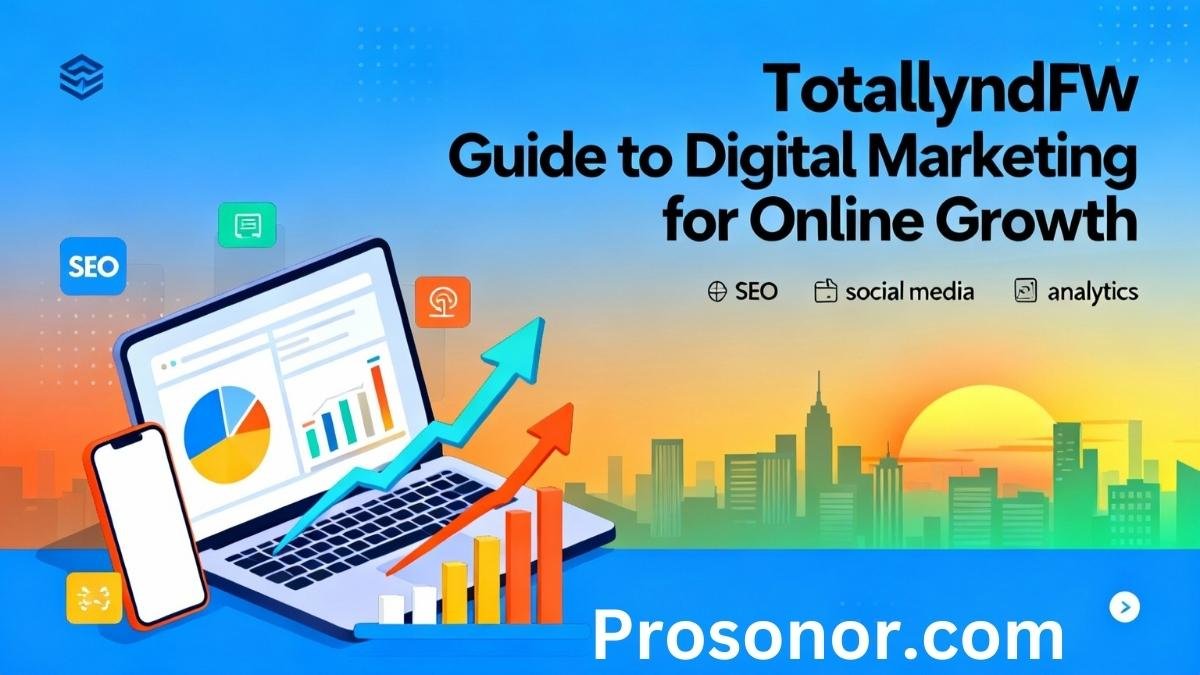
Introduction to Digital Marketing
Digital marketing is the practice of promoting products, services, and brands using digital channels such as search engines, websites, social media platforms, email, and mobile applications. In today’s internet-driven world, digital marketing has become the primary way businesses connect with customers. People now rely on online searches, reviews, and social platforms before making decisions, which makes a strong digital presence essential rather than optional.
The Growing Need for Online Visibility
As competition increases across industries, businesses must stand out online to survive and grow. Having a website alone is no longer enough; brands need strategic digital marketing to be discovered, trusted, and chosen. A totallyndfw digital marketing approach focuses on long-term visibility and meaningful engagement instead of short-term promotional tactics.
How Digital Marketing Differs from Traditional Marketing
Traditional marketing relies on channels such as newspapers, television, radio, and billboards, which offer limited targeting and tracking. Digital marketing, on the other hand, allows businesses to reach specific audiences, track performance in real time, and optimize campaigns based on data. This shift has changed how companies communicate, advertise, and build relationships with customers.
Understanding the Core of Digital Marketing
Digital marketing is built around understanding user behavior and delivering value at every stage of the customer journey. It combines creativity, technology, and data to attract the right audience and guide them toward action. Successful strategies focus on relevance, trust, and consistency rather than aggressive selling.
Search Engine Optimization (SEO)
Search Engine Optimization is the foundation of digital marketing because it helps websites rank higher in search engine results. When users search for information, products, or services, SEO ensures that relevant content appears prominently. A totallyndfw SEO strategy prioritizes helpful content, clean website structure, and ethical optimization practices that align with search engine guidelines.
Keyword Research and User Intent
Keyword research involves identifying the words and phrases users type into search engines. However, modern SEO is not just about keywords; it is about understanding user intent. Creating content that answers questions clearly and accurately improves rankings and builds trust with readers.
On-Page SEO Optimization
On-page SEO includes optimizing headings, meta descriptions, content structure, internal links, and images. Clear formatting, readable language, and logical flow make content more accessible to users and search engines alike. This improves user experience and increases the chances of ranking higher.
Off-Page SEO and Authority Building
Off-page SEO focuses on building credibility through backlinks, brand mentions, and online reputation. When trusted websites link to your content, search engines see your site as more authoritative. Ethical link-building and consistent branding are essential for sustainable growth.
Content Marketing
Content marketing is about creating valuable and relevant content that educates, informs, or entertains an audience. Blog posts, guides, videos, and infographics help businesses attract users organically. High-quality content positions a brand as an expert and encourages repeat visits.
Creating Content That Builds Trust
Trust is at the heart of effective content marketing. Content should be accurate, well-researched, and easy to understand. A totallyndfw content approach avoids exaggerated claims and focuses on genuine value, helping readers make informed decisions.
Content Consistency and Planning
Publishing content consistently helps maintain visibility and audience interest. A clear content plan ensures topics align with user needs and business goals. Over time, consistent content creation strengthens authority and improves search rankings.
Social Media Marketing
Social media marketing allows businesses to engage directly with their audience on platforms they use daily. It is a powerful tool for brand awareness, customer interaction, and community building. Social platforms humanize brands by enabling conversations rather than one-way promotions.
Choosing the Right Social Platforms
Not all social media platforms suit every business. Selecting the right platforms depends on the target audience, industry, and content type. Focusing on platforms where users are most active ensures better engagement and results.
Organic and Paid Social Media Strategies
Organic social media focuses on posting content and engaging with followers naturally, while paid social media uses advertising to reach specific audiences quickly. Combining both strategies provides balanced growth and wider reach.
Email Marketing
Email marketing remains one of the most effective digital marketing channels because it allows direct communication with interested users. Emails can be used to share updates, promote offers, and nurture long-term relationships.
Personalization in Email Campaigns
Personalized emails perform better because they feel relevant and timely. Using user data responsibly helps deliver content that matches individual preferences. A totallyndfw email strategy values consent, transparency, and user trust.
Pay-Per-Click Advertising (PPC)
Pay-Per-Click advertising provides immediate visibility by placing ads on search engines and social platforms. Businesses pay only when users click on their ads, making it a measurable and controllable marketing method.
Benefits of PPC Campaigns
PPC campaigns drive targeted traffic, support product launches, and generate quick results. When combined with strong landing pages and clear messaging, PPC can deliver high returns on investment.
Analytics and Performance Tracking
Analytics tools help businesses measure the success of their digital marketing efforts. Metrics such as traffic, engagement, conversions, and bounce rates provide insights into user behavior and campaign effectiveness.
Data-Driven Optimization
Using data to refine strategies leads to better outcomes. Regular analysis helps identify strengths and weaknesses, allowing marketers to improve content, ads, and user experience continuously.
Mobile Marketing
Mobile marketing focuses on reaching users through smartphones and tablets. With most internet traffic coming from mobile devices, mobile-friendly websites and campaigns are essential for success.
Importance of Mobile Optimization
Fast loading times, responsive design, and simple navigation improve mobile user experience. Search engines favor mobile-optimized sites, making mobile marketing crucial for SEO.
Emerging Trends in Digital Marketing
Digital marketing continues to evolve with new technologies and user behaviors. Trends such as artificial intelligence, voice search, and automation are shaping how brands connect with audiences.
Adapting to Changing Algorithms
Search engines and social platforms frequently update their algorithms. Staying informed and focusing on quality content helps businesses adapt without relying on risky tactics.
Challenges in Digital Marketing
Digital marketing is competitive and requires continuous learning. Challenges include rising advertising costs, increased competition, and changing user expectations. Businesses that remain flexible and user-focused are more likely to succeed.
Long-Term Value of Digital Marketing
Digital marketing is not about quick wins; it is about building sustainable growth. A totallyndfw approach emphasizes ethical practices, consistent value delivery, and long-term relationships with customers.
Conclusion: The Power of Digital Marketing
Digital marketing has transformed how businesses communicate, compete, and grow. By using strategies such as SEO, content marketing, social media, email, and analytics, brands can reach the right audience and build lasting trust. The key lies in integration, consistency, and a strong focus on user needs.
As technology evolves, digital marketing will continue to shape the future of business. Companies that adopt a totallyndfw digital marketing mindset—centered on value, transparency, and adaptability—will be well-positioned to achieve sustainable online success.
FAQs
What is digital marketing?
Digital marketing is the promotion of products or services using online channels such as search engines, websites, social media, and email.
Why is digital marketing important for businesses?
It helps businesses reach wider audiences, build brand awareness, and achieve measurable results at a lower cost than traditional marketing.
How long does digital marketing take to work?
Results vary by strategy. SEO takes time, while paid advertising can produce faster results.
Is digital marketing suitable for small businesses?
Yes, digital marketing is cost-effective and allows small businesses to compete with larger brands online.
What makes a totallyndfw digital marketing strategy effective?
It focuses on user value, ethical practices, consistent content, and long-term growth rather than short-term gains.




Introduction
In the ever-evolving digital landscape, new terms, platforms, and concepts emerge constantly, often leaving people curious about their meaning and purpose. One such term that has recently started gaining attention is Merfez. While it may sound unfamiliar at first, its usage and relevance are slowly expanding across different contexts, especially in online discussions and digital communities.
Understanding Merfez requires looking beyond just a single definition. Like many modern terms, it carries flexibility and can represent a concept, a brand, or even a digital identity depending on how it is used. In this article, we will explore Merfez in depth—its possible meanings, how it is being used today, its significance in digital culture, and why it might become more important in the future.
What is Merfez?
Merfez is not a strictly defined term, which is part of what makes it interesting. In many cases, it is used as a unique name or identity rather than a fixed concept. This flexibility allows it to adapt to different uses, whether as a brand name, an online platform, or a personal alias.
From a linguistic perspective, Merfez has a modern and distinctive sound, making it appealing for digital use. Many startups, creators, and online communities prefer such names because they are memorable and easy to brand. This could be one reason why Merfez is starting to appear in various online spaces.
Additionally, the ambiguity of the term gives it an advantage. Instead of being limited to one meaning, it can evolve based on how people use it. This makes Merfez a strong candidate for becoming a recognizable name in the future.
The Rise of Unique Digital Identities
1. Why Unique Names Matter
In today’s digital world, having a unique identity is more important than ever. With millions of users and platforms available, standing out requires something distinctive. Names like Merfez fit perfectly into this trend because they are not tied to existing meanings or associations.
A unique name helps individuals and brands create a strong first impression. It also makes it easier to build recognition over time. When people come across a name like Merfez, they are more likely to remember it because it feels fresh and different.
Furthermore, unique names reduce competition in search results. This is especially important for online visibility, as it allows a brand or individual to dominate search queries related to their name.
2. Merfez as a Brand or Platform
Merfez has the potential to be used as a brand name for a wide range of digital products or services. Whether it’s a tech startup, a creative platform, or an online community, the name has the versatility to fit different industries.
Brands often look for names that are short, easy to pronounce, and globally appealing. Merfez checks all these boxes. It doesn’t belong to any specific language or region, which makes it suitable for international audiences.
As a platform, Merfez could represent a space for collaboration, content sharing, or innovation. Its neutral tone allows it to take on any identity that creators or developers choose to give it.
3. Personal Identity and Online Presence
Beyond branding, Merfez can also serve as a personal username or digital identity. Many individuals prefer unique names when creating profiles on social media, gaming platforms, or professional networks.
Using a name like Merfez gives users a sense of individuality. It separates them from common usernames and helps them build a distinct online presence. Over time, this can become a personal brand in itself.
Additionally, having a unique identity makes it easier to maintain consistency across platforms. Users can secure the same username on multiple sites, strengthening their overall digital footprint.
How Merfez Fits into Modern Digital Culture
1. The Shift Toward Creativity
Digital culture today is heavily driven by creativity and originality. People are constantly looking for new ways to express themselves, whether through content, design, or branding. Merfez fits into this trend as a blank canvas that can be shaped in countless ways.
Because it doesn’t have a fixed meaning, creators can assign their own interpretation to it. This opens up opportunities for innovation and experimentation. It also allows Merfez to evolve alongside changing trends.
Creative freedom is one of the main reasons why such terms gain popularity. They give users the flexibility to define their own identity without being restricted by traditional labels.
2. Community Building Potential
Another important aspect of digital culture is community. Platforms and names that bring people together tend to grow faster and have a stronger impact. Merfez has the potential to become a central point for a community, depending on how it is used.
For example, it could represent a group of creators, a niche forum, or even a collaborative project. The key is how people connect with the name and what it stands for over time.
Communities thrive on shared identity, and a unique name like Merfez can help establish that. It creates a sense of belonging among users who associate themselves with it.
3. Adaptability Across Platforms
One of the strengths of Merfez is its adaptability. It can be used across different platforms without losing its identity. Whether it’s a website, an app, or a social media handle, the name remains consistent.
This adaptability is crucial in today’s multi-platform environment. Users often interact with content across various channels, and having a unified identity helps maintain recognition.
Moreover, the simplicity of the name makes it easy to integrate into logos, designs, and branding materials. This enhances its usability and appeal.
Advantages of Using Merfez
1. Strong Branding Potential
Merfez offers excellent branding opportunities due to its uniqueness. It stands out in a crowded digital space and gives brands a chance to create a memorable identity.
A strong brand name is the foundation of successful marketing. With Merfez, businesses can build a story and image around the name, making it more meaningful over time.
2. Flexibility and Versatility
Another major advantage is flexibility. Merfez can be used in various contexts without feeling out of place. This makes it suitable for different industries and purposes.
Whether it’s technology, entertainment, education, or lifestyle, the name can adapt بسهولة. This versatility increases its long-term value.
3. Easy Recognition
Simple and unique names are easier to recognize and remember. Merfez achieves this by being short, distinctive, and easy to pronounce.
This helps in building audience recall, which is essential for growth. The more people remember a name, the more likely they are to engage with it again.
Challenges and Considerations
While Merfez has many strengths, there are also some challenges to consider.
One of the main challenges is the lack of an established meaning. While this can be an advantage, it also means that users need to put extra effort into defining what the name represents.
Another consideration is competition. As the name gains popularity, more people may start using it, which could lead to confusion or overlap.
Additionally, building recognition takes time. Even with a strong name, success depends on consistent effort and quality content or services.
Future Outlook of Merfez
The future of Merfez looks promising, especially as the demand for unique digital identities continues to grow. As more individuals and brands search for distinctive names, terms like Merfez are likely to gain traction.
Its success will depend on how it is adopted and shaped by users. If it becomes associated with quality, creativity, or innovation, it could establish a strong presence in the digital world.
There is also potential for Merfez to evolve into a recognizable brand or platform. With the right strategy and execution, it could become a well-known name across different industries.
Conclusion
Merfez is a modern and flexible term that reflects the changing nature of digital identity and branding. Its uniqueness, adaptability, and creative potential make it an exciting concept to explore.
While it may not yet have a fixed definition, that is precisely what gives it power. It allows users to shape its meaning and build something new around it. Whether used as a brand, platform, or personal identity, Merfez offers endless possibilities.
As digital culture continues to evolve, names like Merfez will play an important role in defining how we present ourselves and connect with others online. Keeping an eye on its development could reveal interesting trends and opportunities in the future.


Engineering design has always reflected the tools of its time. From drafting tables and vellum to 2D digital drawings and now fully integrated 3D environments, each shift has changed not only how engineers draw, but how they think, collaborate, and deliver value.
Today, the pace of technological change, tighter regulatory requirements, and rising project complexity are pushing engineering firms toward more structured, data-rich, and scalable workflows. In this environment, computer-aided design (CAD) has moved from being a drafting aid to becoming the backbone of modern engineering operations.
The shift toward CAD-based design workflows is not driven by novelty or preference. It is a strategic response to operational demands that traditional methods struggle to meet. Understanding why this transition is accelerating requires examining both the limitations of legacy approaches and the broader transformation underway across engineering disciplines.
Traditional design methods vs. CAD-based workflows
Before CAD became mainstream, engineering design relied heavily on manual drafting and document-centric processes. Even early digital approaches often mimicked paper-based workflows rather than rethinking them.
Traditional methods typically involve:
- Independent drawings created in isolation
- Manual revision tracking and version control
- Limited reuse of design data across projects
- High dependence on individual expertise rather than shared systems
While these methods produced countless successful projects, they are increasingly misaligned with modern engineering realities. As projects scale, coordination across teams becomes harder, design changes propagate slowly, and errors often surface late in the process.
CAD-based workflows address these issues by treating design as a connected system rather than a collection of drawings. Models become centralized sources of truth, and changes ripple intelligently through associated views, dimensions, and documentation. This shift is why many firms now integrate specialized support such as engineering cad services into broader design and delivery strategies, not as replacements for internal expertise, but as extensions of standardized, model-driven workflows.
The contrast is less about analog versus digital and more about static versus dynamic design intelligence.
Key drivers behind the shift to CAD-based design
Speed and efficiency
Time-to-delivery has become a competitive differentiator. CAD-based workflows dramatically reduce design cycle times by automating repetitive tasks and enabling rapid iteration.
Key efficiency gains include:
- Parametric modeling that updates designs automatically when inputs change
- Libraries of standardized components that reduce redundant modeling
- Faster generation of drawings, schedules, and bills of materials
Instead of redrawing or manually revising dozens of documents, engineers can focus on validating performance and optimizing designs. This efficiency becomes especially valuable in design-build and fast-track projects, where timelines are compressed and iteration is constant.
Accuracy and error reduction
Design errors are costly, not only financially but reputationally. CAD systems embed geometric constraints, dimensional accuracy, and rule-based checks directly into the design process.
Compared to traditional methods, CAD workflows help reduce errors by:
- Enforcing consistency across views and documents
- Highlighting clashes, interferences, and tolerance issues early
- Maintaining precise control over dimensions and relationships
By catching issues upstream, firms reduce downstream rework, RFIs, and construction-phase corrections. The result is greater confidence in design intent and deliverables.
Collaboration and cross-team integration
Modern engineering projects rarely operate in silos. Structural, mechanical, electrical, manufacturing, and construction teams often work concurrently, sometimes across different locations or time zones.
CAD-based workflows support this reality through:
- Shared models that multiple disciplines can reference
- Version control systems that track changes transparently
- Interoperability with analysis, simulation, and project management tools
This level of integration improves communication and reduces misalignment between disciplines. Design decisions become visible and traceable, enabling more informed coordination throughout the project lifecycle.
Cost optimization and scalability
Cost pressures affect firms of all sizes. CAD-based workflows support cost control not just by reducing errors, but by enabling smarter resource allocation.
Scalable CAD environments allow firms to:
- Adjust team size without disrupting design continuity
- Reuse validated design components across projects
- Balance in-house work with external capacity during peak demand
These capabilities make CAD-centric operations more adaptable to fluctuating workloads and evolving market conditions.
The role of digital transformation in modern engineering firms
The shift toward CAD-based workflows is part of a larger digital transformation reshaping engineering organizations. Design data is no longer isolated; it feeds analysis tools, manufacturing systems, asset management platforms, and digital twins.
In digitally mature firms, CAD models serve as:
- Inputs for simulation and performance validation
- Foundations for automated fabrication or CNC processes
- Long-term records supporting operations and maintenance
This transformation changes how firms measure value. Success is no longer defined solely by drawing quality, but by how effectively design data supports decision-making across the entire asset lifecycle.
Importantly, digital transformation also standardizes processes. CAD workflows enable firms to codify best practices, embed compliance requirements, and reduce reliance on undocumented tribal knowledge. This improves resilience as teams grow or change.
Benefits of CAD-centric workflows for different engineering disciplines
Civil and structural engineering
In civil and structural contexts, CAD-based workflows improve alignment between geometry, load paths, and constructability. Engineers can evaluate multiple design scenarios quickly while maintaining accurate documentation.
Benefits include:
- Faster iteration of layouts and structural systems
- Improved coordination with geotechnical and construction data
- Clearer visualization for stakeholder reviews
Mechanical and electrical engineering
For mechanical and electrical teams, CAD workflows support complex assemblies and systems with high interdependency. Parametric modeling ensures that changes propagate correctly across components and interfaces.
Key advantages are:
- Accurate fit and clearance validation
- Simplified routing of ducts, pipes, and conduits
- Easier integration with analysis and simulation tools
Manufacturing and product design
In manufacturing environments, CAD-centric workflows bridge the gap between design and production. Models can be directly leveraged for tooling, prototyping, and quality control.
This enables:
- Faster transition from concept to production
- Reduced ambiguity in manufacturing instructions
- Improved traceability from design intent to finished product
Across disciplines, the common benefit is consistency—design intent remains intact as information flows downstream.
Challenges firms face when transitioning and how they overcome them
Despite clear advantages, transitioning to CAD-based workflows is not without difficulty. Many firms encounter obstacles related to people, processes, and technology.
Common challenges include:
- Resistance to change from experienced staff
- Learning curves associated with advanced CAD tools
- Legacy data that is difficult to migrate or standardize
Successful firms address these challenges deliberately. They invest in structured training, phased implementation, and clear documentation of new workflows. Leadership plays a critical role by framing CAD adoption as a strategic evolution rather than a forced replacement of existing skills.
Equally important is aligning tools with processes. Firms that simply digitize old habits often see limited benefits. Those that redesign workflows around model-based thinking unlock the full potential of CAD systems.
The future of engineering design with CAD technologies
Looking ahead, CAD-based workflows will continue to evolve as automation, artificial intelligence, and cloud collaboration mature. Design environments are becoming more predictive, suggesting optimizations and flagging risks before engineers explicitly search for them.
Emerging trends include:
- Greater integration between CAD and real-time simulation
- Increased use of generative design to explore alternatives
- Expanded cloud-based collaboration across global teams
Rather than replacing engineers, these advancements augment expertise, enabling professionals to focus on judgment, creativity, and system-level thinking. CAD becomes less about drawing and more about decision support.
As regulatory requirements and sustainability goals grow more complex, the ability to trace and validate design decisions digitally will become essential, not optional.
Conclusion
The shift toward CAD-based design workflows reflects deeper changes in how engineering work is defined, delivered, and evaluated. Firms are responding to pressures for speed, accuracy, collaboration, and scalability that traditional methods cannot efficiently address.
CAD-centric workflows provide a structured, data-driven foundation that supports modern project demands while preparing organizations for future technological advances. As engineering continues to integrate more closely with digital ecosystems, CAD is no longer just a tool—it is the operational core of contemporary engineering practice.
For firms seeking resilience and relevance in an increasingly complex landscape, adopting and refining CAD-based workflows is not simply an upgrade. It is a strategic imperative shaping the future of engineering design.
Introduction
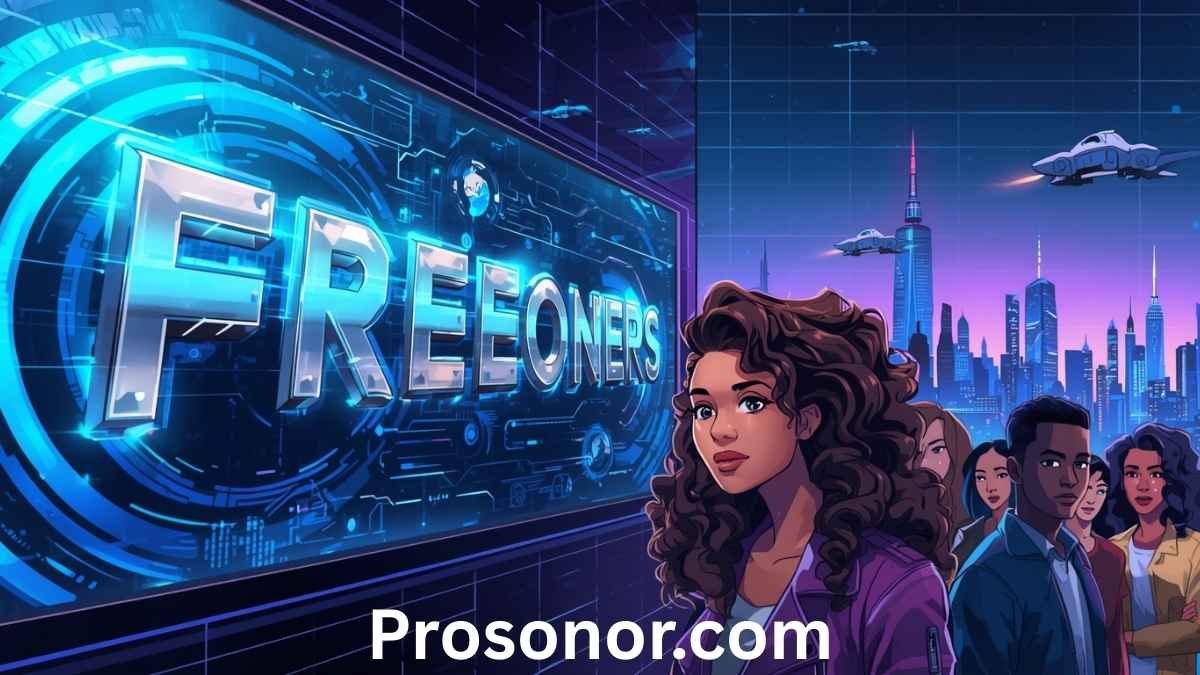
The internet continues to evolve with new terms, communities, and identity labels appearing regularly. One such keyword gaining attention is freeoners. While the term may sound unfamiliar at first, it reflects an important shift in how people interact with digital platforms, content, and online communities. In simple terms, freeoners often refers to individuals who actively engage with free online content, services, or communities, and sometimes contribute to the growth of digital ecosystems without relying on paid access.
The rise of freeoners is closely connected to the expansion of the creator economy, social media, and free-access platforms. As more content becomes available without cost, users naturally gather around platforms that offer value without financial barriers. These users play a vital role in supporting creators through engagement, sharing, and visibility—even if they are not paying subscribers.
This article explores the meaning of freeoners, their role in digital culture, their importance in content ecosystems, and how this concept is shaping the future of online communities.
What Does Freeoners Mean?
The term freeoners can be interpreted as a blend of “free” and a community-oriented suffix like “-ers,” referring to people who actively use or support free digital services. These users consume content, join platforms, and participate in online environments without necessarily paying subscription fees.
Freeoners are not passive users. They engage with posts, leave comments, share content, and help increase visibility. This engagement contributes to the growth of platforms and creators. Even without financial contributions, their activity creates value by driving traffic and awareness.
Another important aspect of freeoners is accessibility. Free access allows people from different backgrounds, regions, and economic situations to participate equally. This inclusivity strengthens communities and expands the reach of digital content globally.
The Role of Freeoners in the Creator Economy
The creator economy depends heavily on audience engagement, and freeoners play a critical role in this system. While paying subscribers provide direct financial support, free users help creators grow their audience base and expand their influence.
Platforms like thrive because of freeoners. Millions of users watch videos without paying, but their views generate ad revenue and increase algorithm visibility. Without freeoners, creators would struggle to reach new audiences.
Freeoners also contribute through social sharing. When users share videos, posts, or content with friends, they help creators gain exposure organically. This type of growth is often more valuable than paid advertising because it builds genuine audience interest.
Why Free Access Is So Important to Online Growth
Free access removes barriers. When people can explore content without financial commitment, they are more likely to engage, explore, and participate. Freeoners benefit from this open environment, and creators benefit from increased visibility.
Many platforms use a “freemium” model, where basic content is free but premium features require payment. Freeoners often start as free users and later convert into paying supporters if they find value in the content.
Free access also helps creators build trust. Users who initially engage for free may develop loyalty over time. This relationship creates long-term support opportunities, whether through subscriptions, merchandise, or sponsorships.
Freeoners and Social Media Communities
Social media platforms depend heavily on freeoners. These users create activity, engagement, and conversations that keep platforms alive. Without active free users, even the best content would struggle to gain traction.
For example, platforms like rely on user interaction to promote videos. Freeoners watch, like, and share content, helping creators reach viral status. Their engagement powers the platform’s recommendation system.
Communities built around free access often grow faster because they attract larger audiences. Freeoners create discussions, trends, and shared experiences that strengthen community bonds.
Freeoners vs Paying Supporters: Understanding the Difference
It is important to understand that freeoners and paying supporters serve different but equally important roles. Paying users provide direct financial support, while freeoners contribute engagement and visibility.
Freeoners often represent the majority of a creator’s audience. Their presence increases content reach and attracts advertisers and sponsors. This indirect support can be extremely valuable.
Over time, some freeoners transition into paying supporters. Once they trust and appreciate a creator’s work, they may choose to contribute financially through subscriptions or donations.
Platforms That Benefit from Freeoners
Many digital platforms depend on freeoners for growth and sustainability. For instance, allows creators to offer both free and paid content. Free users help expand the creator’s reach, while paid members provide direct income.
Freeoners also help test new content ideas. Creators can observe engagement patterns and adjust their strategies based on audience response. This feedback helps improve content quality.
Additionally, advertisers are more interested in platforms with large user bases. Freeoners increase audience size, making platforms more attractive to advertisers and partners.
The Psychological Appeal of Free Content
Free content is naturally appealing because it eliminates risk. Users can explore without financial pressure, which encourages experimentation and discovery. Freeoners benefit from this freedom.
The sense of accessibility also creates inclusivity. People from all backgrounds can participate equally, strengthening community diversity.
Furthermore, free access builds trust. When users feel they are receiving value without obligation, they are more likely to develop loyalty and long-term engagement.
The Economic Impact of Freeoners
Freeoners contribute to the digital economy in indirect but powerful ways. Their engagement generates advertising revenue, increases platform activity, and supports content visibility.
Even without direct payments, freeoners help creators attract brand partnerships. Companies prefer creators with large, active audiences, regardless of how many users are paying subscribers.
This dynamic demonstrates that engagement itself has economic value. Attention, visibility, and audience size are key drivers of digital success.
Challenges Associated With Freeoner-Based Models
While freeoners offer many benefits, relying entirely on free users can present challenges. Creators still need financial support to sustain their work.
Balancing free and paid content is essential. Offering too much for free may reduce incentives for paid subscriptions, while offering too little may limit audience growth.
Successful creators find a balance by providing valuable free content while offering exclusive benefits for paying supporters.
The Future of Freeoners in Digital Culture
The concept of freeoners will continue to grow as more platforms adopt free-access models. Digital accessibility is becoming a standard expectation among users.
As competition increases, platforms will focus on attracting and retaining freeoners through better user experiences and engaging content.
Freeoners will remain essential to the success of online communities, creators, and digital platforms. Their engagement will continue shaping the future of internet culture.
Conclusion: Why Freeoners Matter More Than Ever
Freeoners represent a powerful force in the digital world. They are the foundation of online communities, driving engagement, visibility, and growth. While they may not always provide direct financial support, their presence creates immense value.
By watching, sharing, and interacting with content, freeoners help creators build influence and reach wider audiences. Their role highlights the importance of accessibility and inclusivity in digital spaces.
As the internet continues to evolve, freeoners will remain a key part of the creator economy. Their engagement ensures that content continues to grow, communities continue to expand, and digital culture continues to thrive.

Microsoft Dynamics Implementation Services for Digital Business Growth in UAE

Eclipse Blinds: Transforming Homes with Stylish Window Treatments in Knoxville TN

The Variable Sample Size Problem: Why RADV Audits Are Harder to Predict Than Ever

هنتاوي.com: A Guide to Safe and Responsible Online Browsing

How to buy Steroids with Credit Card?
